
Last updated November 16, 2026
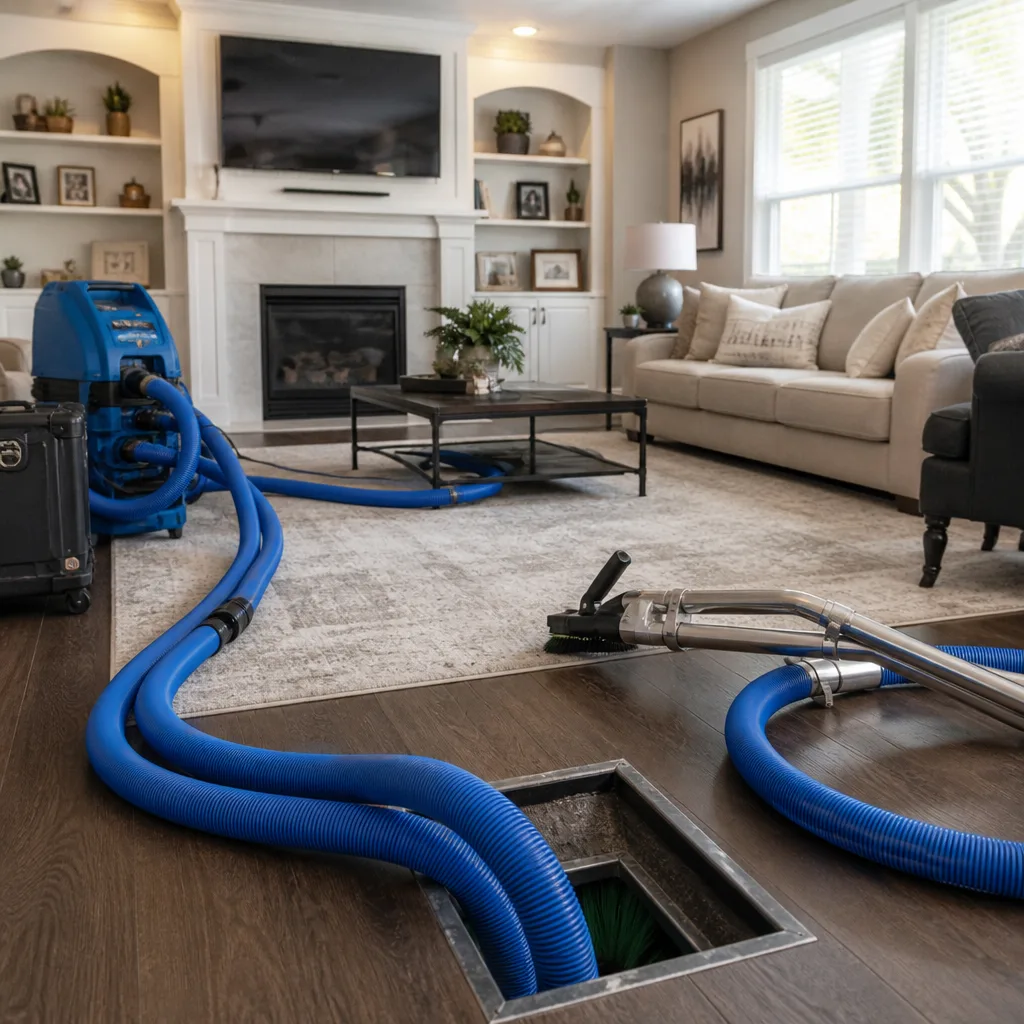 Whole-home duct cleaning
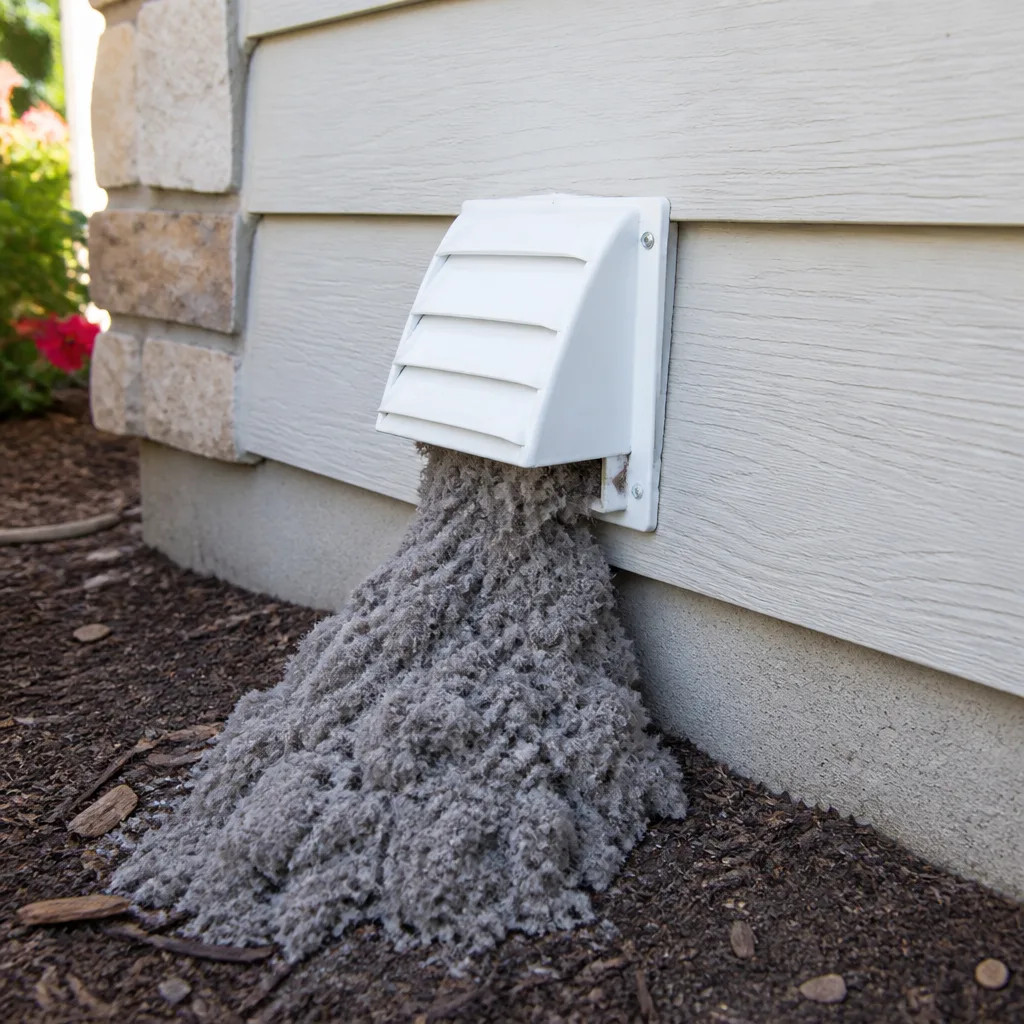 Dryer vent cleaning
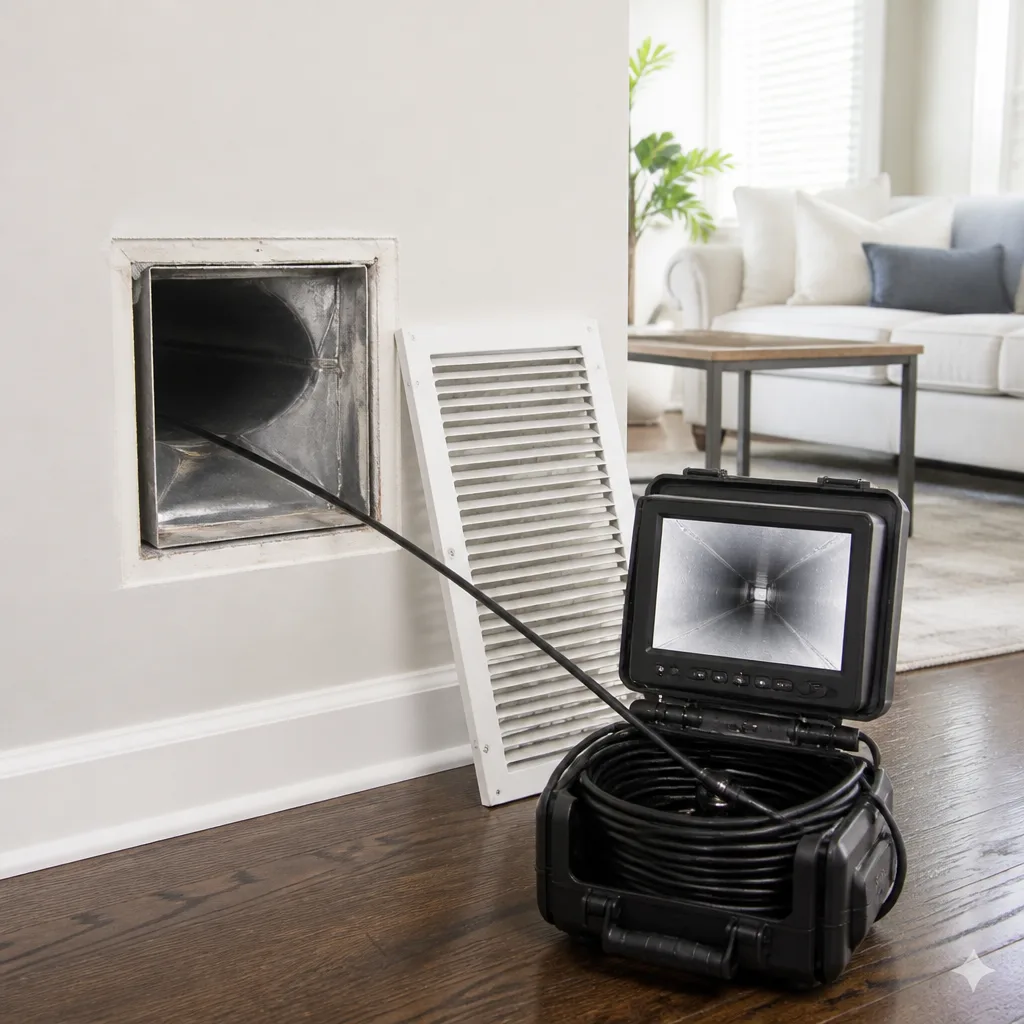 Camera inspection
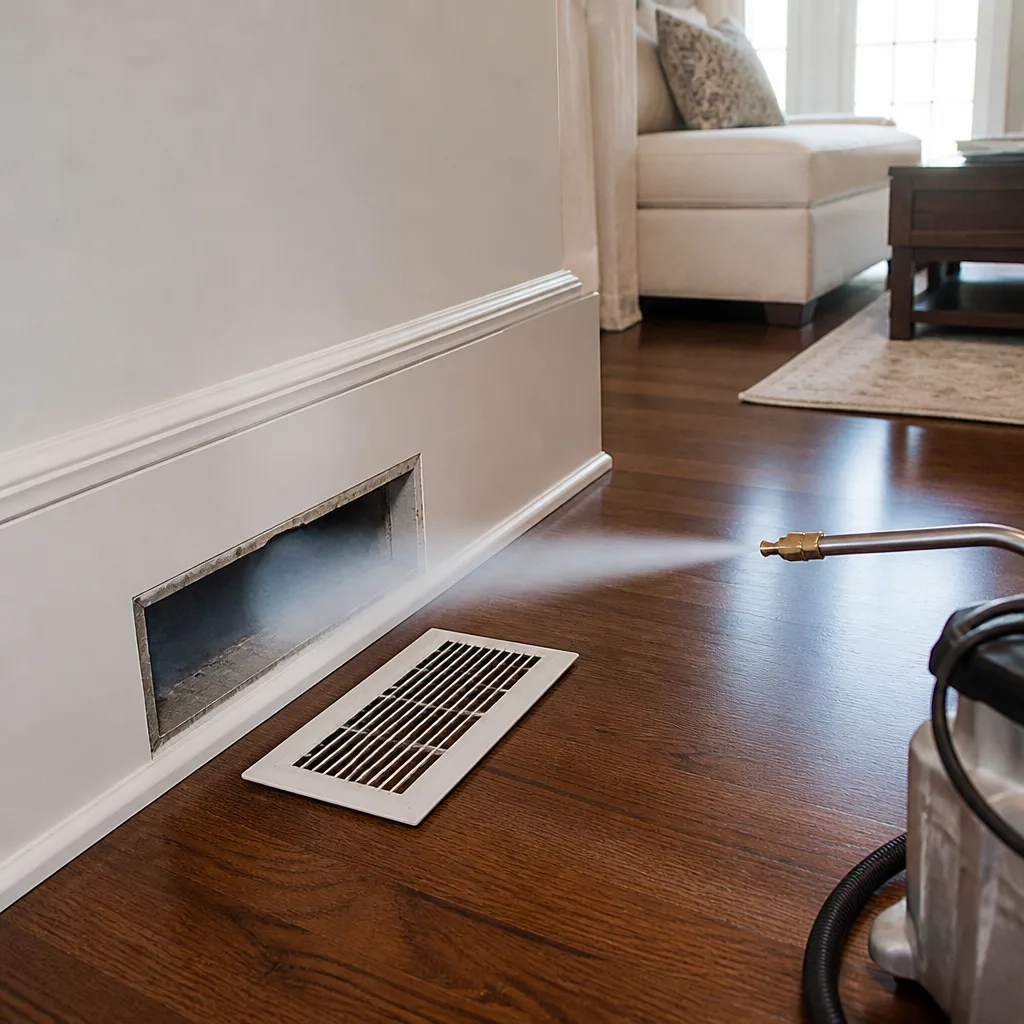 Sanitizing & deodorizing
Whole-system duct and dryer vent check with before-and-after photos - you see exactly what came out of your vents
That "$99 whole-house special" is a bait ad - the real number appears once they are in your hallway, or the "clean" is a shop-vac at the register. We photograph the inside of your ducts before and after instead.
Air Duct Cleaning Permits, Codes & Inspections in Chesapeake, VA: What You Need to Know
Most homeowners assume duct work is duct work, and that a cleaning visit is the end of the story. Here’s the part that catches people off guard: duct cleaning itself doesn’t need a permit in Chesapeake, but the moment a contractor starts talking about sealing, lining, rerouting, or replacing sections of ductwork, you’ve crossed into mechanical work that the Virginia Uniform Statewide Building Code governs. That line is invisible to most homeowners until a home inspection or an insurance claim forces the question. In this guide, we’ll walk through what triggers a permit, how Chesapeake’s permitting process works, how to check your own property’s permit history, and where the difference between cleaning and repair actually sits.
Quick Answer
Routine air duct cleaning does not require a permit in Chesapeake, Virginia. Any work beyond cleaning, such as sealing ducts at joints, installing or replacing duct sections, adding a new run, or replacing an air handler or ventilation component, is typically classified as mechanical work under the Virginia Uniform Statewide Building Code and may require a permit from the City of Chesapeake and a subsequent inspection. If a contractor proposes anything beyond cleaning and doesn’t bring up permitting, that’s your cue to ask questions before any work begins.
Styles & brands we work with
- Whole-home duct cleaning
- Dryer vent cleaning
- Camera inspection
- Sanitizing & deodorizing
Table of Contents
- Does Air Duct Cleaning Require a Permit in Chesapeake?
- What Actually Triggers a Mechanical Permit
- Duct Cleaning vs. Duct Sealing, Lining, and Replacement
- Who Issues Permits in Chesapeake and How to Verify
- How to Check Permit History on Your Property
- How Unpermitted Work Affects Insurance and Disclosure
- What a Mechanical Inspection Actually Looks At
- Duct Cleaning Best Practices for Chesapeake Homes
Does Air Duct Cleaning Require a Permit in Chesapeake?
Air duct cleaning in Chesapeake does not require a permit. The work is classified as maintenance, not construction or alteration, and the Virginia Uniform Statewide Building Code does not mandate a permit for cleaning alone. This is true whether a technician is using a rotary brush system, a negative-air machine, or hand tools to clear accessible sections of the system.
That’s the simple version. The complicated version is where a cleaning visit becomes a repair visit, and this is where we see homeowners get surprised. A duct system that looks like it just needs cleaning can turn out to have disconnected joints, collapsed flex runs, or crush damage behind a wall. Fixing any of that is repair, not cleaning.
Two things are worth separating clearly:
- Cleaning: removing accumulated dust, debris, or biological growth from the interior surfaces of the existing duct system. No alteration to the system. No permit.
- Repair or alteration: reconnecting or replacing sections, sealing leaks with mastic or approved tape at joints, adding a new duct run, replacing a boot or register box, or making any change to the system’s design. This is where mechanical permitting lives.
In our experience, homeowners in neighborhoods like Greenbrier and Great Bridge often hear the terms “cleaning” and “repair” used interchangeably by contractors. They aren’t the same, and mixing them has real consequences at resale and at claim time. Our air duct cleaning crews treat the two as distinct services for exactly this reason.
What Actually Triggers a Mechanical Permit
A mechanical permit is generally required when the work involves altering, replacing, or installing components of the mechanical system, including ductwork, rather than simply cleaning or maintaining it. Under the Virginia Uniform Statewide Building Code, the trigger is change, not service. If the system’s layout, connections, or components are being modified, expect a permit to be part of the conversation.
Common triggers we see in Chesapeake homes include:
- Replacing a section of flex duct with new duct, even if it’s just one run behind a ceiling.
- Sealing duct joints with mastic or approved tape where it constitutes a meaningful alteration to the system (small maintenance-level sealing is different from re-sealing an entire trunk line).
- Adding a new supply or return run, which changes the system’s airflow design.
- Replacing a boot or register box that connects the duct to the room.
- Replacing or rerouting a trunk line after a remodel or an addition.
- Installing duct lining for sound or thermal control inside the duct.
- Replacing the air handler or a mechanical ventilation component, which is outside duct cleaning scope entirely.
What typically does not trigger a permit: cleaning, brush-and-vacuum service, filter replacement, register and grille removal and reinstall, and simple re-tightening of an accessible joint that hasn’t failed. If a contractor is pulling a permit for cleaning, ask them what they’re actually planning to do. That’s a scope-creep red flag.
Because Chesapeake spans older housing stock near South Norfolk and newer construction out toward Western Branch and Grassfield, duct systems vary significantly in age and material. That means what looks like cleaning on one property may genuinely require repair on another, and the permit question hinges on what the technician finds, not on a blanket rule.
Duct Cleaning vs. Duct Sealing, Lining, and Replacement
The cleanest way to think about it: cleaning removes what’s inside the ducts, and repair changes the ducts themselves. Cleaning is maintenance. Repair, sealing that goes beyond routine maintenance, lining, and replacement are all alterations, and that’s where permit territory begins.
Here’s how the categories break down in practice:
- Duct cleaning: brush and negative-air removal of debris. No permit.
- Duct sealing (light): small mastic touches on a failed joint discovered during cleaning. Usually treated as maintenance. No permit in most cases.
- Duct sealing (systematic): re-sealing trunk lines, plenums, or multiple joints as a project. Likely to require a permit because it’s an alteration to the system.
- Duct lining: installing interior liner for sound or thermal properties. Permit required.
- Duct repair: reconnecting, replacing sections, adding runs. Permit required.
- Duct replacement: pulling and installing new ductwork. Permit required and inspection expected.
We approach this with our Duct Cleaning Chesapeake clients by being explicit about which category the work falls into before we start. If cleaning reveals damage that calls for air duct repair, we flag it clearly and explain what permitting involves. We don’t proceed with alteration-level work without those questions being answered first, because it’s your home and your paperwork trail that carries the consequence.
The scope creep to watch for is subtle: a cleaning quote that quietly grows into a sealing or repair quote midway through the visit. That’s not inherently wrong, because sometimes real damage only shows up once the system is opened. What is wrong is a contractor doing that alteration without raising the permit question. If the work needs a permit, the permit needs to be pulled before the work happens.
Who Issues Permits in Chesapeake and How to Verify
Chesapeake’s building permits are issued by the City of Chesapeake’s Department of Development and Permits. Mechanical permits for ductwork alterations are handled through that department, and the same department coordinates any required inspections that follow permitted work. The City’s online portal is where homeowners can look up permits by address and check the status of anything filed against their property.
That’s the specific jurisdiction for this city. It’s not handled by a county because Chesapeake is an independent city, not a county subdivision. If a contractor tells you they filed a permit “with the county,” that’s an immediate flag in Chesapeake, because there is no county.
When you’re verifying whether a contractor has pulled the right permit for duct repair work, here’s the sequence to run through:
- Ask for the permit number in writing before work starts. A legitimate permit has a specific number issued by the City, not a verbal promise to “file it after.”
- Look up the permit number on the City of Chesapeake permit portal to confirm it exists and matches the scope described to you.
- Confirm the permit’s scope covers the work being done. A permit pulled for “replace air handler” doesn’t cover “replace four duct runs,” for example.
- Ask who the permit is filed under, meaning which licensed contractor is named on it. It should match the company doing the work.
- Request the inspection record after the work is done. Permitted work gets inspected, and the inspection result is the paper trail that shows the work was done to code.
- Save copies of the permit number and inspection outcome with your home records. You’ll want them if you ever sell.
Virginia requires contractors working on mechanical systems to hold appropriate licensure through the Department of Professional and Occupational Regulation. A contractor who is licensed for mechanical work will typically have no trouble producing their license information and pulling a permit when the scope calls for it. One who pushes back on either is telling you something.
How to Check Permit History on Your Property
You can check permit history on a Chesapeake property through the City of Chesapeake’s online permit portal by searching by address. The portal shows permits pulled, their scope, their status, and inspection results. This is genuinely useful information to have before you hire anyone for duct work, and it’s information a lot of homeowners never think to look for.
Here’s a step-by-step for how to do it:
- Go to the City of Chesapeake Department of Development and Permits page and locate the online permit search or “Permits” portal link.
- Search by property address, not by contractor name. Enter the street number and street name as it appears on your deed or tax record.
- Scroll through the permit history for anything mechanical or HVAC-related. You’re looking for prior alterations, replacements, or additions to the system.
- Check the status of any permit you find. If a permit shows as “Open” or “Expired,” it may never have received a final inspection.
- Look for inspection results on any duct or HVAC-related permit. Completed permits with inspection records are the good outcome; permits with no record of inspection are the ones to flag.
- Note the dates and scope of any work done. That gives you a baseline to compare against what a contractor is proposing now.
- If something doesn’t add up (e.g., the previous owner replaced ductwork but there’s no permit on file), the City’s permitting office can help you understand what’s recorded and what isn’t.
This is worth doing if you recently purchased a Chesapeake home and haven’t yet had ductwork evaluated, or if you’re preparing to sell. A pre-listing permit check takes fifteen minutes and avoids a lot of awkward conversation later.
How Unpermitted Work Affects Insurance and Disclosure
Unpermitted ductwork alterations can create real complications for both insurance claims and real estate disclosures in Virginia. On the insurance side, a claim that traces back to non-code-compliant duct installation or modification can be denied or partially denied, because insurers generally expect the home to be maintained in compliance with applicable codes. On the disclosure side, Virginia’s residential property disclosure rules oblige sellers to disclose known material defects and certain conditions about the property, and unpermitted alterations can fall under that umbrella.
Concretely, here’s what goes wrong when duct work isn’t permitted:
- An insurance claim tied to a leak or fire may be scrutinized if the ductwork involved was altered without a permit. The claim itself isn’t automatically denied, but the insurer can argue the non-compliant installation contributed to the loss.
- A home inspection at sale frequently flags unpermitted duct or HVAC alterations. Buyers then negotiate, often at the seller’s expense, and closings can be delayed while permits are retroactively filed and inspected.
- A home warranty claim on the HVAC system can be denied if the ductwork repair triggering the claim wasn’t permitted and code-compliant.
- Disclosure obligations under Virginia rules mean the seller must tell the buyer about known issues with the mechanical system. A seller who didn’t know about unpermitted work still carries the obligation once they discover it.
- Retroactive permitting is possible, but it requires an inspection of work that may be hidden behind drywall or insulation, and it’s not always a clean outcome.
In our experience working across Chesapeake neighborhoods from Hickory to Deep Creek, the homes that cause the most post-sale friction are the ones with alterations that were never on the record. That’s the reason we distinguish clearly between cleaning and repair in every quote.
What a Mechanical Inspection Actually Looks At
A mechanical inspection on ductwork verifies that the installed system meets the applicable requirements of the Virginia Uniform Statewide Building Code. It is not a cleaning inspection and not a general HVAC service call. The inspector is confirming that what was installed or altered is code-compliant, properly connected, and functioning as designed.
Typical inspection checks include:
- Duct connections and joints are correctly secured and sealed per the approved method.
- Materials match the permitted scope (the ductwork installed is the type and specification that was approved).
- Routing and support meet requirements for the system type (flex versus rigid, strap spacing, etc.).
- Clearances to combustible materials are maintained where required.
- Register and return placement matches what was on the approved plan if the plan altered the layout.
- The air handler component, if replaced, is installed per manufacturer specification and code.
Cleaning doesn’t get inspected because cleaning doesn’t require a permit. If your contractor has pulled a permit for duct alterations, an inspection is the expected next step, and confirming it passed is what protects you. Skipping the inspection doesn’t just leave you with a paper gap; it means the City never verified the work, which is exactly what a future home buyer’s inspector will flag.
Duct Cleaning Best Practices for Chesapeake Homes
Even though cleaning doesn’t require a permit, a few things are worth knowing about how the work should be performed in Chesapeake’s housing stock. The region’s humid summers and occasionally damp shoulder seasons mean moisture intrusion into duct systems is a realistic concern, and a cleaning visit is one of the better moments to spot it. Duct systems in older homes around South Norfolk and Indian River often have decades of accumulated dust in inaccessible sections, and those are the ones where equipment quality matters most.
What proper cleaning involves, regardless of whether a permit is in play:
- Negative-air containment so dislodged debris doesn’t recirculate into the home during the process. Our crews use Nikro negative-air machines and Abatement Technologies filtration on site for this reason.
- Rotary brush agitation on interior duct surfaces, which is where professional-grade tools like the Rotobrush system do work that a shop vac cannot.
- Before-and-after visual evidence of your own system, not marketing photos.
- One flat price per system agreed in writing before work starts, with no per-vent pricing games.
- Register, grille, and boot inspection while they’re off, so any leaking joint or disconnected run gets flagged.
We also service Honeywell and Aprilaire indoor-air-quality systems, which means if your home has one of these installed and it isn’t functioning the way it should, we can address it as part of the visit rather than routing you to a second company. For homeowners curious about the broader process, our guide on Chesapeake air systems walks through what to expect from a scheduled job.
Common Mistakes to Avoid
- Assuming cleaning covers repair. If a contractor finds a disconnected joint during cleaning and repairs it without filing a permit when the scope requires one, that’s on the record as unpermitted work. Ask the question before the truck shows up.
- Trusting a verbal “we’ll file it after.” Permits should be pulled before the work, not retroactively in a way that can’t be inspected properly. The number in your hand before work starts is what matters.
- Not checking permit history before buying a Chesapeake home. A fifteen-minute search on the City portal can reveal unpermitted alterations that would otherwise surface at your own eventual sale.
- Assuming all contractors know Chesapeake’s jurisdiction. Chesapeake is an independent city, not part of a county. Any contractor referencing “the county permit office” for a Chesapeake property is signaling they don’t work here often.
- Chasing the lowest cleaning quote. A quote that seems dramatically below the norm frequently turns into per-vent add-ons or “you need this repair” pitches once the technician is on site. Ask for the flat whole-system price up front.
- Treating duct repair as a permit-free favor. A small-looking repair inside a ceiling can still be a permit-level alteration under Virginia code. The scope question should be answered clearly, not waved off.
- Forgetting to save inspection records. The permit inspection is your proof that the work was done to code. Save the paperwork with your home records, because it matters at resale and at claim time.
See the difference
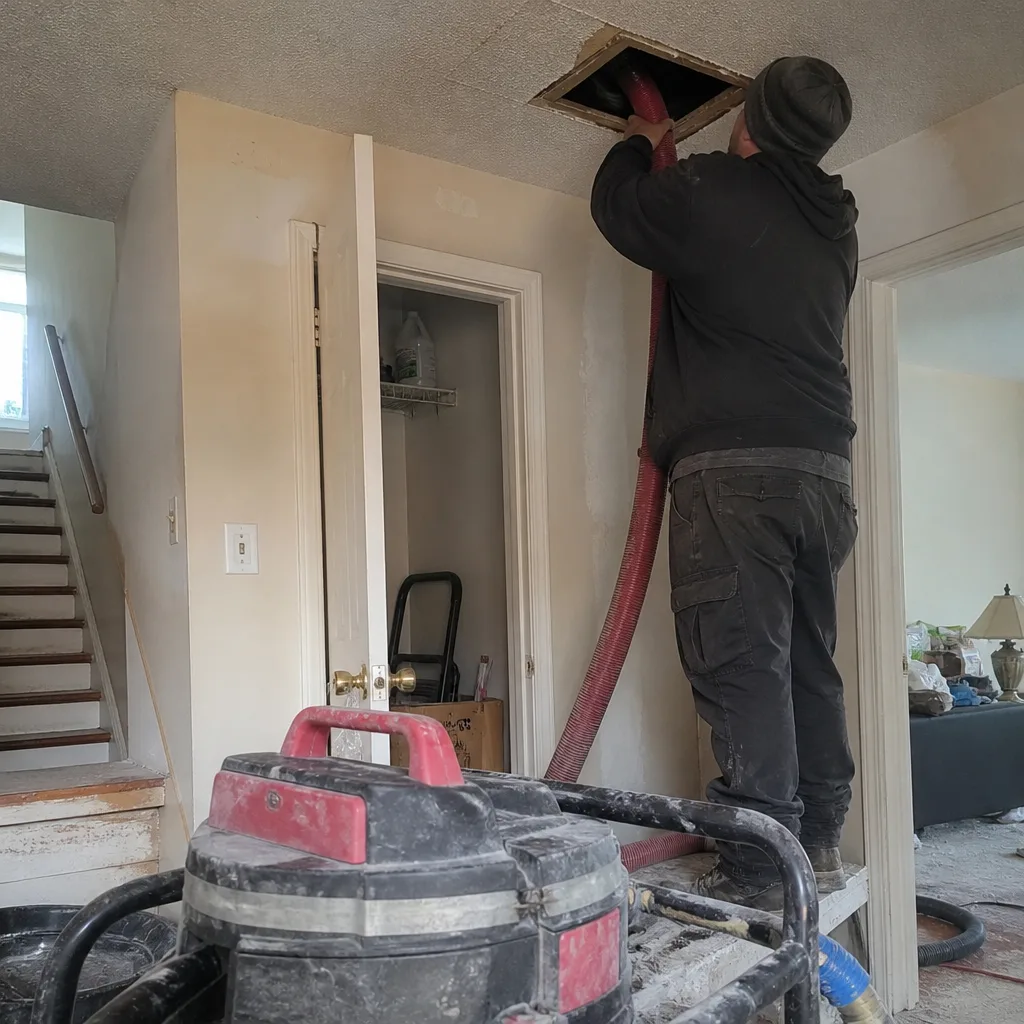 Before
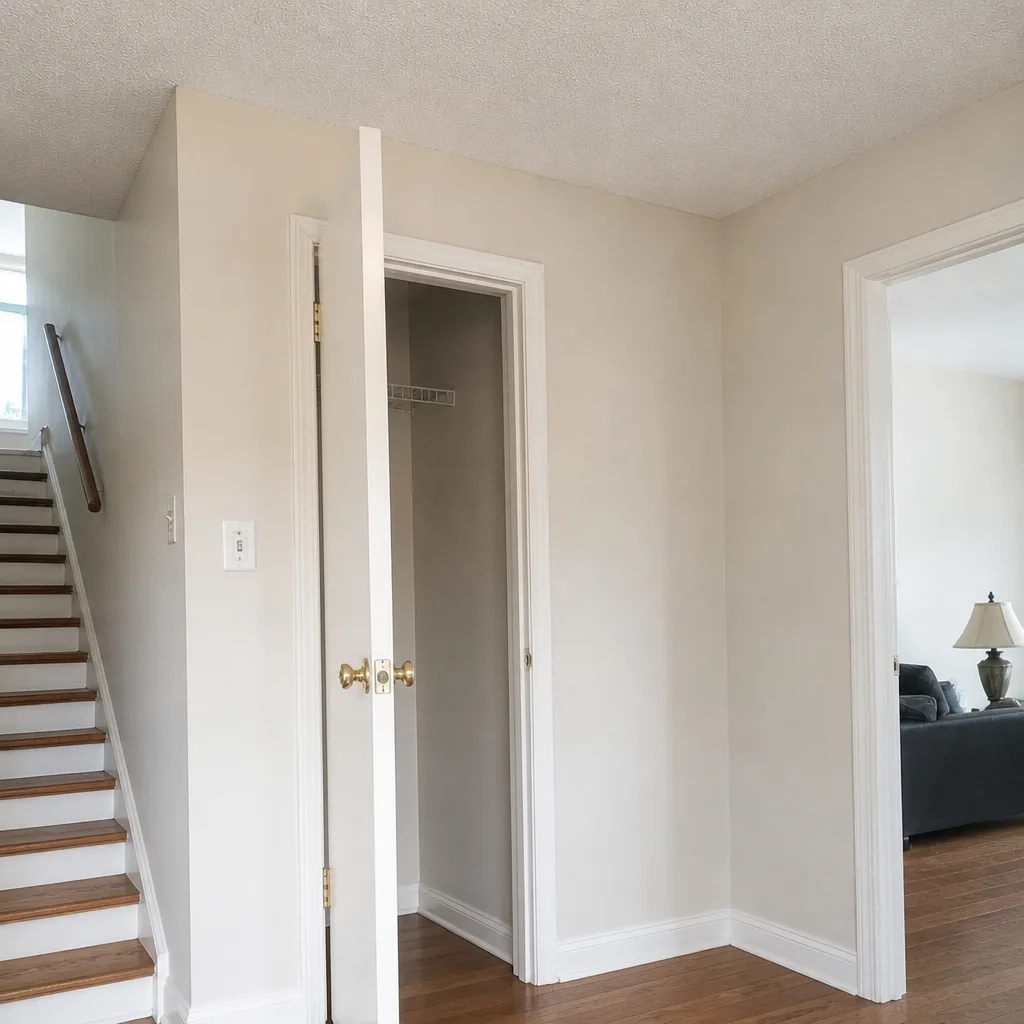 After
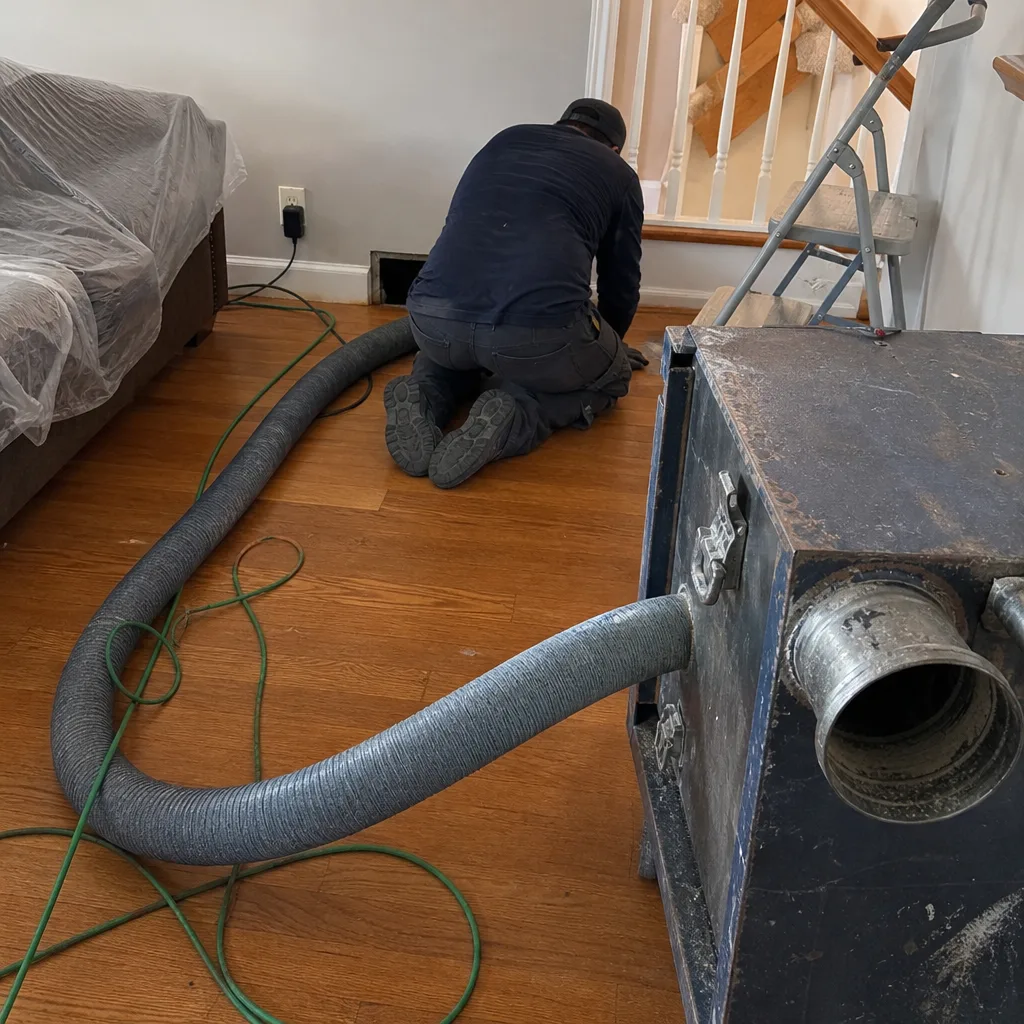 Before
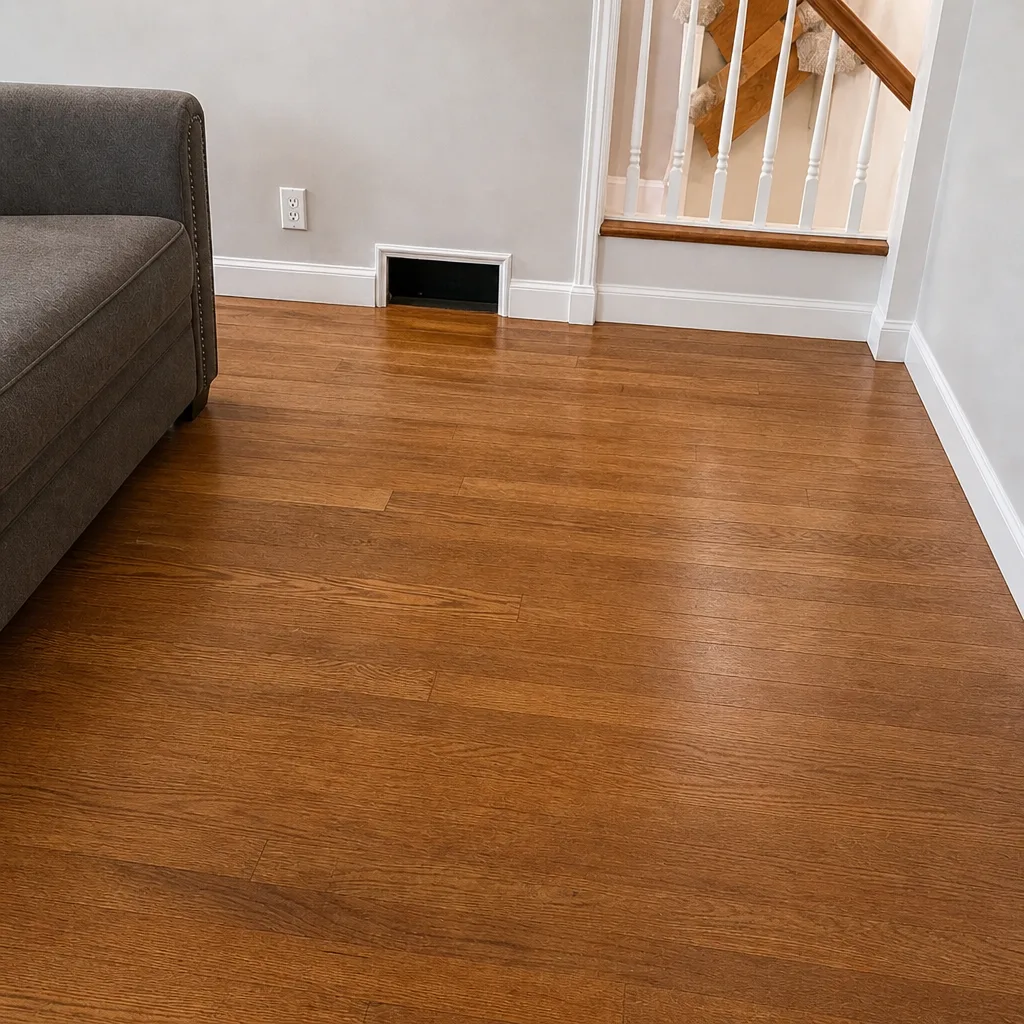 After
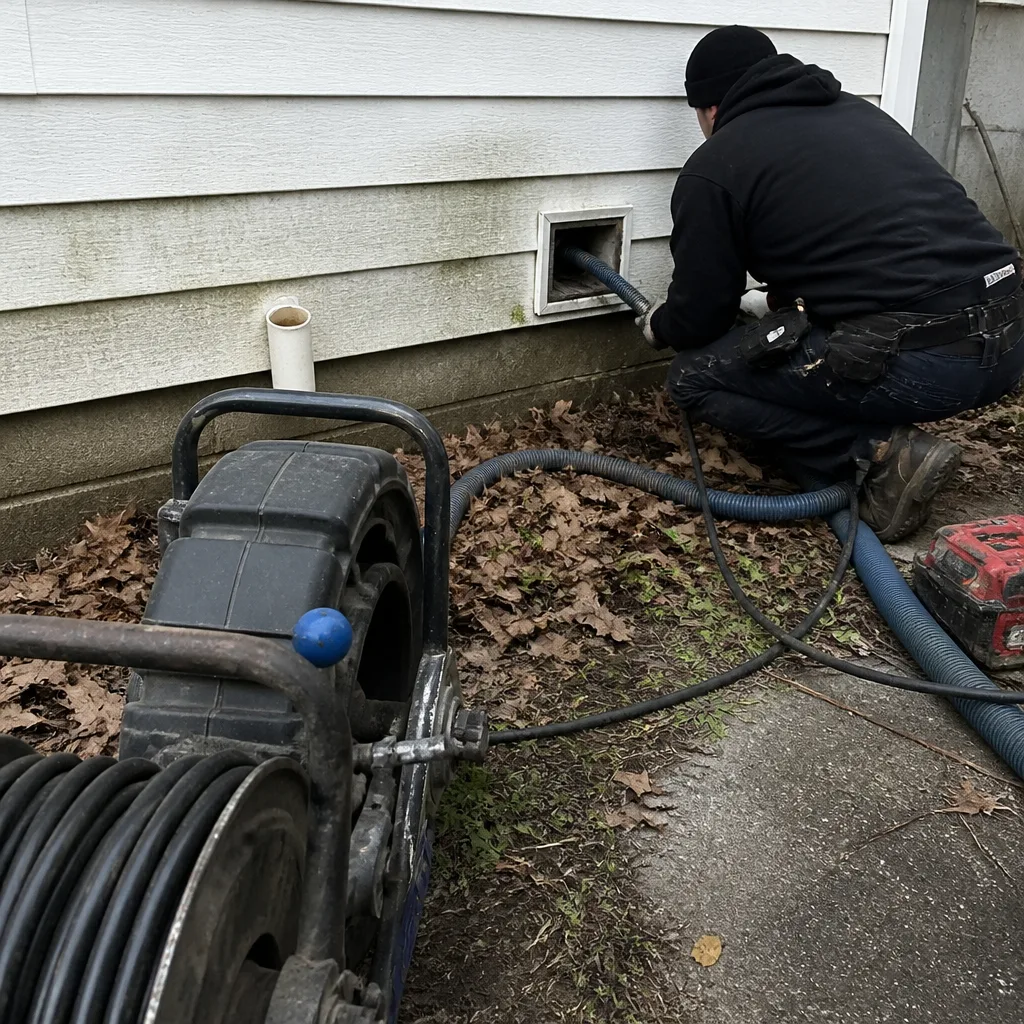 Before
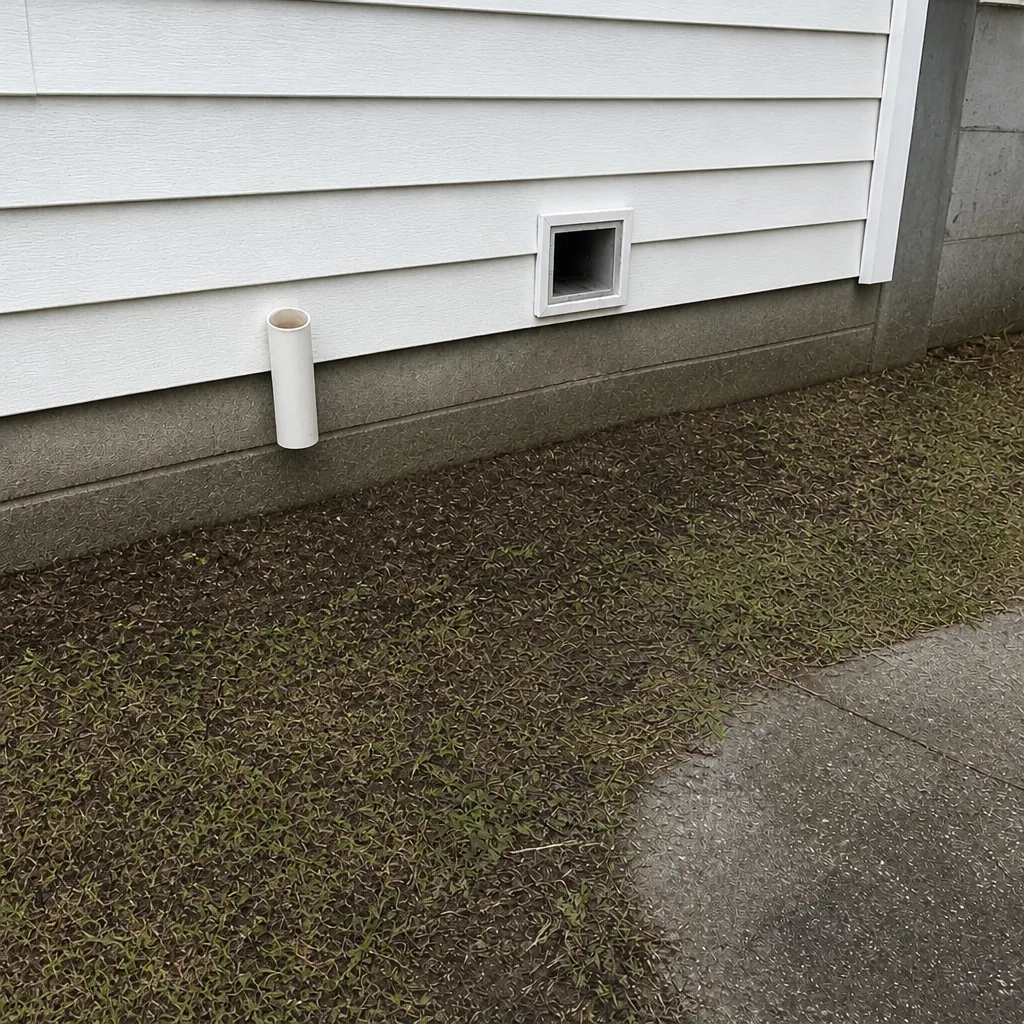 After
When to Call a Professional
Call a professional if the work you’re considering involves anything beyond cleaning: duct repair, sealing that goes past a small joint touch-up, replacing duct sections, adding runs, or replacing a duct-connected component. Call as well if the cleaning quote you got is vague about scope, if a contractor can’t say whether the proposed work requires a permit, or if you’re preparing to sell a Chesapeake home and can’t confirm the mechanical permit history. Call if your home’s vents produce visible discharge, if a room is chronically stuffy while others are fine, or if you’ve had a recent renovation and want the system professionally cleaned and inspected. Duct Cleaning Chesapeake offers free estimates in Chesapeake. Call (855) 695-8132 to get one scheduled and to answer any permit-scope question before work starts.
Frequently Asked Questions
No. Air duct cleaning itself does not require a permit in Chesapeake because it’s classified as maintenance under the Virginia Uniform Statewide Building Code, not as an alteration. If the contractor proposes repair, sealing, or replacement as part of the visit, that’s when the permit question comes in. Call (855) 695-8132 if you want to talk through what your proposed work involves.
Duct cleaning removes accumulated debris from the interior of the existing ducts and doesn’t change the system’s design or components. Duct repair reconnects, replaces, or alters components of the duct system, and under the Virginia Uniform Statewide Building Code that alteration is mechanical work that may require a permit and inspection. The line is “did the system change,” not “did someone touch it.”
You can check by searching your property address on the City of Chesapeake Department of Development and Permits online portal. Look for any mechanical or HVAC permits tied to your address, and confirm the scope matches the work being proposed and that the permit shows an inspection record. A legitimate contractor will give you the permit number in writing before work starts. Call (855) 695-8132 for a free estimate and we’ll discuss which work falls on either side of the permit line.
It can, on both counts. Insurance claims tied to duct alterations that weren’t permitted and code-compliant may be scrutinized or partially denied, and a home inspection at sale frequently flags unpermitted mechanical work. Under Virginia residential disclosure rules, sellers also need to disclose known defects once discovered. Cleaning itself carries none of this risk because it isn’t permittable work to begin with.
Small mastic touches on a single failed joint usually sit in maintenance territory and don’t require a permit. Systematic re-sealing of trunk lines, plenums, or multiple joints as a project is an alteration to the system and is more likely to require a permit. Ask your contractor to spell out which category the proposed work falls into, in writing, before you agree. Call (855) 695-8132 if you want a second opinion on the scope.
Low quotes usually come from per-vent pricing that grows once the technician arrives, or from cleaning that skips real equipment like negative-air containment and rotary brush agitation. A flat price for the whole system, agreed in writing before work starts, is the honest structure. We use commercial-grade equipment brought to your home, and the written estimate sets the final price. Call (855) 695-8132 for a real estimate on your system.
The Bottom Line
Cleaning is maintenance and doesn’t require a permit in Chesapeake. Repair, sealing at any meaningful scale, lining, and replacement are alterations under the Virginia Uniform Statewide Building Code, and those may require a permit from the City of Chesapeake and a follow-up inspection. Check your property’s permit history through the City’s online portal before you hire anyone, ask for the permit number in writing if the work crosses into repair territory, and save the inspection record when it’s done. That paper trail is what protects you at insurance claim time and at resale. If you want a straight answer on which category your proposed work falls into, call us for a free estimate.
Call (855) 695-8132. We answer 24/7. Fast dispatch from 7am to 7pm, Sunday through Friday. Estimates are free, and the written estimate sets the final price, whether the work is dryer vent cleaning or duct cleaning on its own.
Written by the team at Duct Cleaning Chesapeake.