
Last updated November 16, 2026
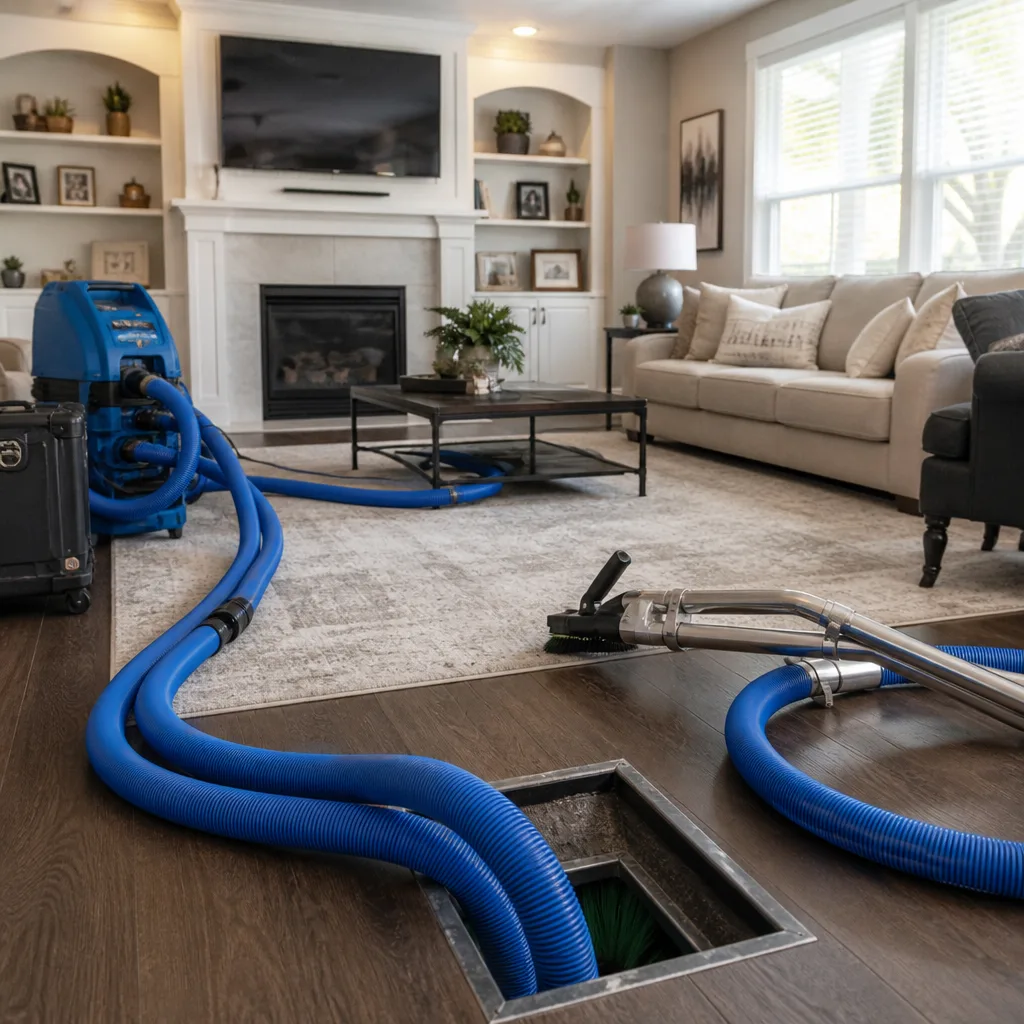 Whole-home duct cleaning
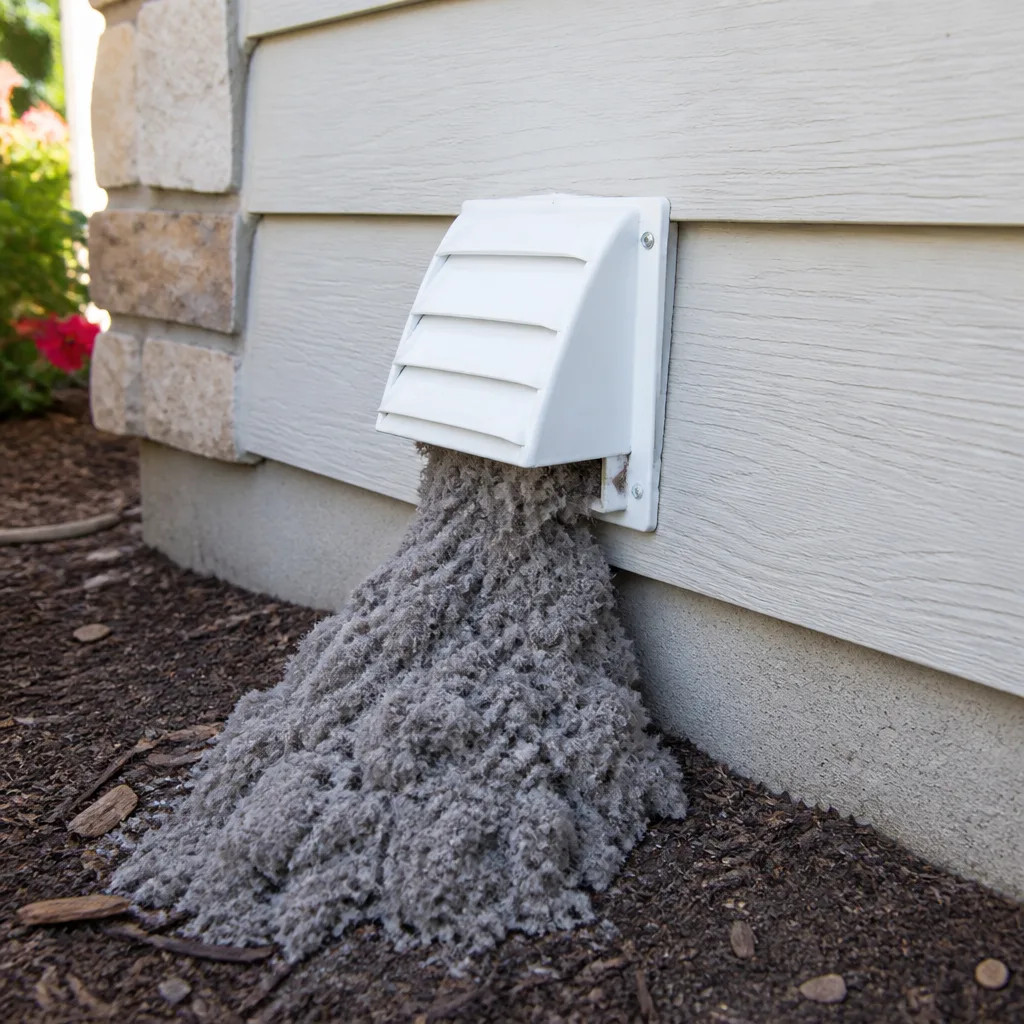 Dryer vent cleaning
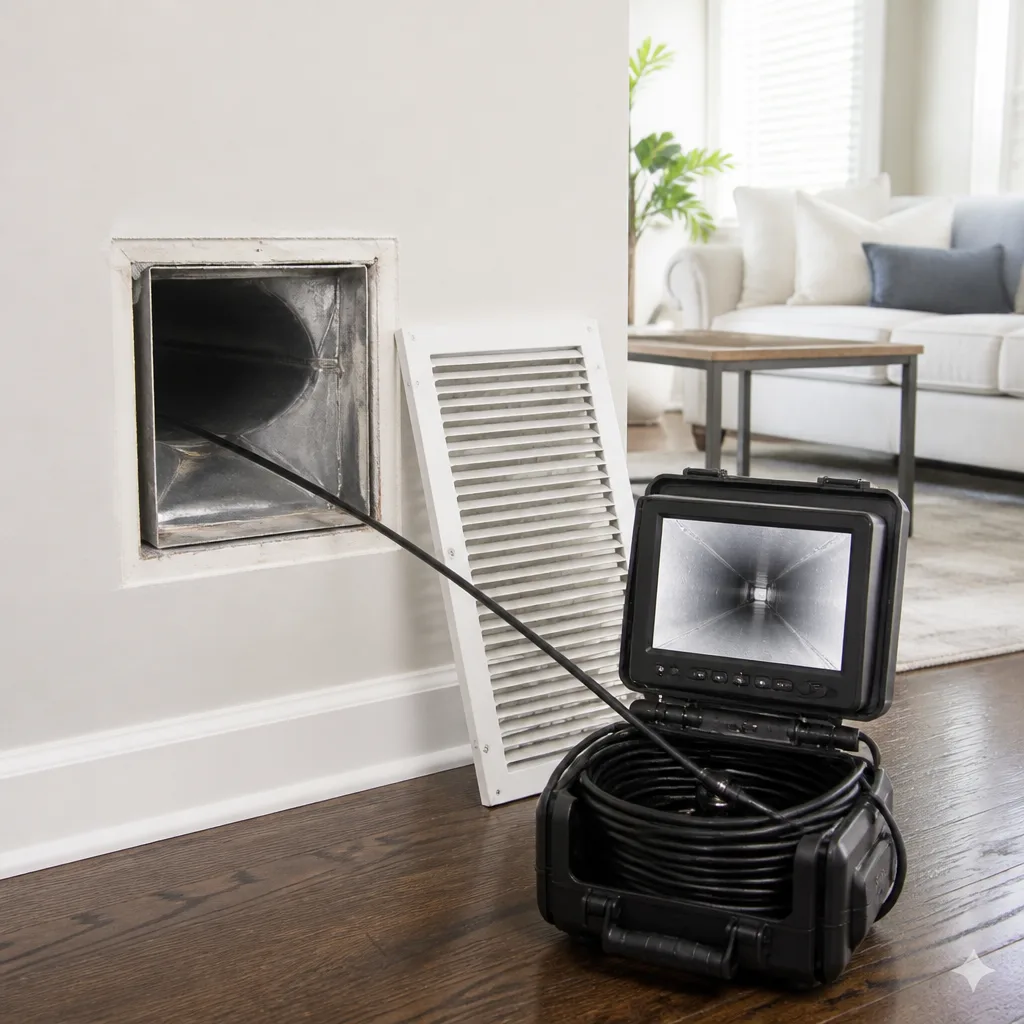 Camera inspection
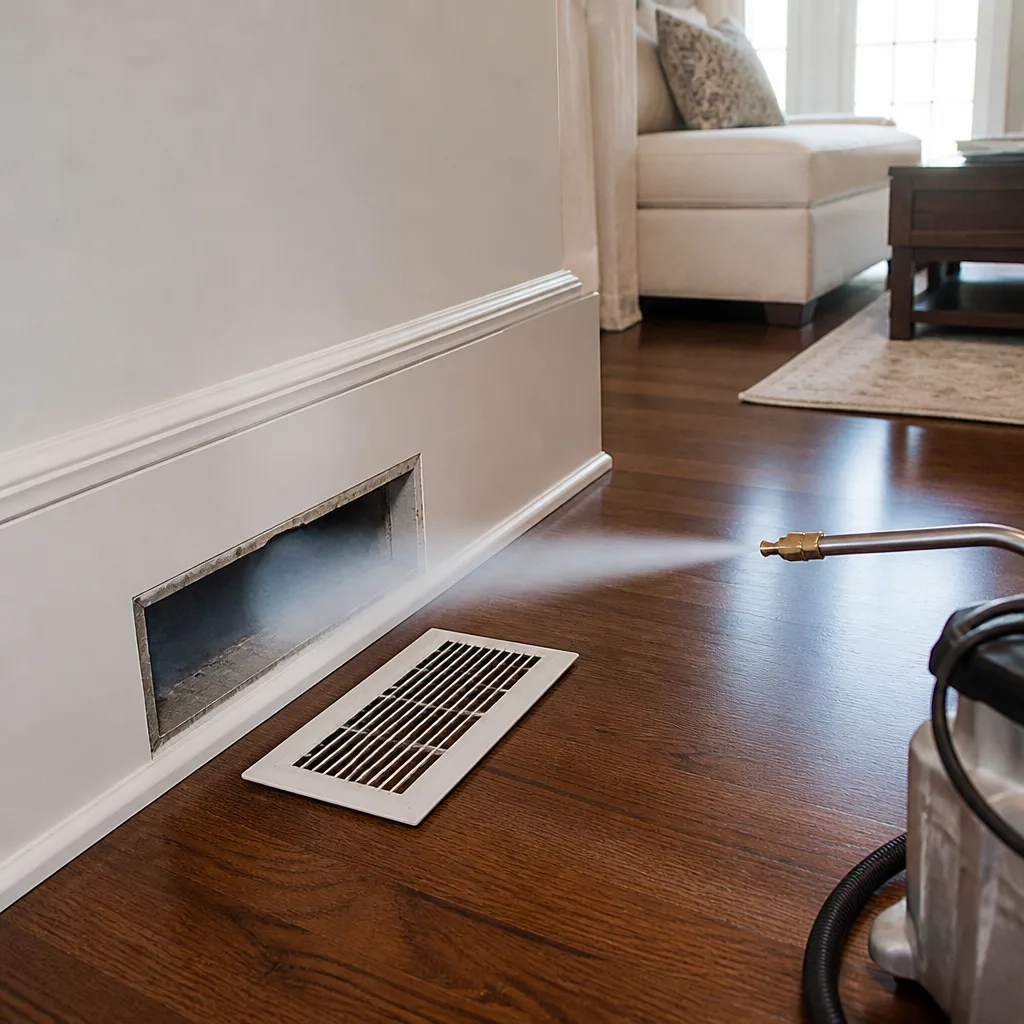 Sanitizing & deodorizing
Whole-system duct and dryer vent check with before-and-after photos - you see exactly what came out of your vents
That "$99 whole-house special" is a bait ad - the real number appears once they are in your hallway, or the "clean" is a shop-vac at the register. We photograph the inside of your ducts before and after instead.
Choosing the Right Air Duct Cleaning Brand: A Buyer’s Guide for Chesapeake
When you hire a duct cleaning contractor, you’re not really hiring the company. You’re hiring whatever equipment is in that truck. Two contractors with identical pricing and identical marketing can deliver completely different results based solely on whether they invested in professional-grade collection and agitation systems. One pulls a shop vac and a length of hose into your attic. The other brings a rotary brush system, a negative-air machine, and filtration equipment built for restoration work. The price on the invoice might look the same. The outcome won’t be. This guide explains the equipment ecosystem behind professional duct cleaning, how to read a contractor’s answer when you ask what they run, and how to verify those claims before you commit. It’s written for Chesapeake homeowners who want evidence, not slogans.
Quick Answer
The right air duct cleaning brand in Chesapeake is the one whose equipment – not whose logo – does the work. Ask what collection unit, agitation tool, and filtration system the contractor brings into your home. A credible answer names specific professional-grade manufacturers, describes negative-air containment, and offers photos or documentation. A vague answer about “the latest equipment” tells you everything you need to know.
Styles & brands we work with
- Whole-home duct cleaning
- Dryer vent cleaning
- Camera inspection
- Sanitizing & deodorizing
Table of Contents
- Why “Brand” in Duct Cleaning Means Equipment, Not Logo
- The Professional Duct Cleaning Equipment Ecosystem
- How to Ask a Contractor What Equipment They Use
- National Franchise vs. Local Independent Specialist
- What Chesapeake Homes Actually Need From Equipment
- A Framework for Verifying Equipment Claims
- Reading the Warning Signs Before You Book
- What Professional Duct Cleaning Should Cost
Why “Brand” in Duct Cleaning Means Equipment, Not Logo
Most homeowners hear “brand” and think of the name on the van. In duct cleaning, the name that matters is on the machine. The equipment doing the actual work – pulling debris out, agitating it loose, containing it so it doesn’t recirculate into your living space – determines whether the job is real or theater.
Here’s the gap that explains most of the difference between contractors. Residential-grade equipment is cheap, portable, and easy to put in a truck. Professional-grade equipment costs far more, requires training to operate properly, and is the same class of tool used in commercial and restoration environments. A contractor who bought into the professional tier has made a capital commitment to doing the work correctly. A contractor who didn’t is hoping you won’t ask.
This matters more in Chesapeake than many homeowners realize. The region’s humidity means ducts spend months holding moisture that feeds dust and biological growth, and the mix of older housing stock and newer construction means duct systems vary widely from neighborhood to neighborhood. Equipment that struggles with flex duct or can’t maintain negative pressure across a larger system won’t finish the job in either type of home. Our technicians have up to 11 years of experience, and the lesson from all of it is the same: the machine either holds containment or the job doesn’t count.
So when we talk about brand in this guide, we mean it literally. Which manufacturer built the collection unit. Which company makes the agitation tool. Which filtration brand is containing the exhaust. Those are the names that predict your result.
The Professional Duct Cleaning Equipment Ecosystem
Professional duct cleaning isn’t one machine. It’s a system of four tool categories working together, and a serious contractor has invested in each of them. Understanding the categories lets you ask better questions and hear the difference between a specialist and a generalist.
- Collection units. These are the vacuum systems that pull debris out of the ductwork and hold it. Truck-mounted units are the most powerful, but high-end portable negative-air machines are what most residential specialists bring inside. Nikro builds negative-air machines used in commercial and restoration settings, and that class of machine is the standard we’d want in any home.
- Agitation tools. Vacuum alone won’t lift debris bonded to duct walls. Rotary brush systems, like the ones Rotobrush builds specifically for residential ductwork, mechanically scrub the interior surface. Air whips are a different agitation approach, using high-pressure air to knock material loose. Both work; the point is that some form of mechanical agitation is non-negotiable.
- Filtration and containment. While you’re agitating debris loose, it has to go somewhere. Abatement Technologies builds air-filtration systems used in remediation work, and having that class of filtration on-site keeps dislodged particulates from recirculating through the home during cleaning. This is the difference between cleaning ducts and redistributing what was in them.
- Inspection cameras. A camera lets the technician see inside the ductwork before and after, confirm what was removed, and document the result. If a contractor can’t show you the inside of your ducts, the claim of “clean” is unverified.
When a company names Rotobrush, Nikro, or Abatement Technologies, it’s telling you it bought into the professional tier. Those names show up in commercial and restoration work, not in entry-level residential setups. That’s the signal to listen for in Chesapeake.
How to Ask a Contractor What Equipment They Use
The question is simple. The answer tells you whether you’re talking to a specialist or a salesperson. Ask directly: “What collection unit, agitation tool, and filtration system will be in my home?” Then listen for specifics.
What a credible answer sounds like:
- Names specific manufacturers and models – Rotobrush, Nikro, Abatement Technologies, for example.
- Describes negative pressure and how containment is maintained during the job.
- Mentions filtration on the exhaust so debris doesn’t recirculate.
- Offers to show you photos of the equipment, or documentation of the process.
- Explains how the equipment matches your duct type – flex versus rigid, for instance.
What a vague non-answer sounds like:
- “We use the latest equipment.” (Which machines? Built by whom?)
- “Our technicians are trained professionals.” (Trained on what, exactly?)
- “We’ve been doing this a long time.” (That’s not an equipment answer.)
- “Don’t worry, we’ll take care of it.” (This is a deflection, not a description.)
A specialist will enjoy this question. It’s the conversation they want to have. A generalist will pivot to price, because equipment isn’t their differentiator. In our experience, the contractors worth hiring answer equipment questions with more detail than you asked for. That’s the tell.
National Franchise vs. Local Independent Specialist
Both models exist in the Chesapeake market, and each shapes equipment investment, training, and accountability in different ways. Neither is automatically better – but the trade-offs matter for what lands in your driveway.
National franchise brands bring recognizable names, standardized processes, and sometimes shared equipment programs. The trade-off is that franchise operators vary widely in how much they invest locally, and the brand name on the van doesn’t guarantee the equipment inside it. You’re still evaluating the individual operator, not the logo.
Local independent specialists live or die on local reputation and repeat business. That usually pushes them toward equipment investment and toward specializing in one trade rather than offering duct cleaning as a side service between HVAC installs. The trade-off is that quality varies too – “independent” isn’t a quality badge by itself.
The practical takeaway for Chesapeake homeowners: don’t choose by franchise versus independent. Choose by equipment, method, and willingness to document the work. A local specialist who runs Rotobrush and Nikro equipment and shows before-and-after photos beats a franchise that can’t name its machines. And a dedicated air specialist – one whose entire business is air duct and ventilation work – is a better bet than a general home-service company that added duct cleaning to its menu.
That’s the model we operate on. We focus exclusively on air duct and ventilation services. Our work is air duct cleaning done with professional-grade tools, and we’re happy to discuss equipment with any homeowner who asks.
What Chesapeake Homes Actually Need From Equipment
Chesapeake ductwork isn’t uniform. The housing stock ranges from older homes with rigid metal duct systems to newer construction heavy on flex duct, and the region’s humid summers put moisture stress on both. Equipment has to handle that variety, which means a few specific capabilities matter more here than they would in a drier climate.
- Flex duct compatibility. Rotary brush systems need to be controllable at low speed and gentle enough not to damage the liner of flex duct. Not every rotary tool is built for it. Ask how the contractor handles flex runs.
- Negative pressure ratings. The collection system has to hold negative pressure across the whole system, not just the run it’s attached to. Weak pressure means debris settles in the branches instead of leaving the house.
- HEPA filtration on exhaust. Whatever the vacuum pulls out has to be filtered before it goes back into the air. Remediation-grade filtration – the class Abatement Technologies builds – is the standard to ask about.
- Moisture awareness. Chesapeake’s humidity means duct interiors can hold conditions that feed growth. A contractor who inspects with a camera and knows what to look for will flag issues a quick vacuum pass would miss.
Equipment built for commercial and restoration work handles all of this. Entry-level residential vacuums don’t. That gap is why we use professional-grade systems in Chesapeake homes – not because it sounds impressive, but because the alternative doesn’t finish the job in this housing stock and this climate.
A Framework for Verifying Equipment Claims
Anyone can say they use professional equipment. Here’s how to verify before you commit, in order.
- Ask for equipment photos. A legitimate contractor has photos of their machines, often with the manufacturer name visible. No photos, no proof.
- Ask for before-and-after photos from past jobs. Camera images of duct interiors before and after cleaning are the closest thing to proof of result. Ask specifically for photos of the inside of ducts, not just the exterior of the house.
- Ask about the process step by step. A credible answer walks through inspection, agitation, collection, containment, and verification. Vague answers skip steps.
- Ask what happens to the debris. It should be collected and contained, not blown into the living space or left in the system. This is where filtration brand matters.
- Confirm you’ll get an inspection report. Before-and-after documentation of your own ducts – not a generic sample – is what closes the loop.
- Ask about related capabilities. A contractor who can handle Chesapeake duct repair alongside cleaning is more likely to spot problems during the job. Single-call capability matters when a leak or blockage turns up mid-clean.
This framework takes ten minutes on the phone and saves you from the most common bad outcome: paying for a cleaning that wasn’t one. If a contractor can’t clear these steps, that’s your answer.
Reading the Warning Signs Before You Book
Some of these are obvious. Some are subtle. All of them predict a job you’ll regret.
- A price quoted before anyone looks at the system. Duct cleaning is priced per system, and the system has to be inspected first. A number given over the phone without inspection is a teaser, not an estimate.
- Equipment described only in adjectives. “Powerful,” “industrial-strength,” “hospital-grade” – these mean nothing. Manufacturer names mean something.
- No mention of containment or filtration. If the contractor doesn’t talk about keeping debris out of your air during the job, they haven’t thought about it.
- Pressure to book immediately. A specialist with real equipment doesn’t need to close you on the call.
- Duct cleaning offered as one line on a long menu. Generalists spread equipment investment across many trades. Air system specialists put it into the tools that do the work.
- No offer of before-and-after documentation. If you can’t see the inside of your ducts before and after, the work is unverified.
In Chesapeake, the market has enough competition that homeowners can afford to be selective. The contractors worth hiring will pass all six of these without flinching.
What Professional Duct Cleaning Should Cost
Professional whole-system duct cleaning in the Chesapeake area typically runs in a range that reflects real equipment, real labor, and real containment – not a coupon price. Teaser pricing exists because the low number gets the booking and the invoice grows once the technician is on-site. That model is the single biggest source of distrust in this trade, and it’s the one thing to screen out first.
- Per-system pricing, not per-vent. A whole-system job has one price, agreed before work starts. Per-vent pricing creates an incentive to inflate the vent count.
- Written estimate before work begins. The written estimate sets the final price. It’s the number you can hold the contractor to.
- Before-and-after photos of your own ducts. Documentation is part of the service, not an add-on.
- No bait-and-switch coupon math. A real professional-grade job has a real cost. If the price looks like it can’t cover the equipment, it can’t.
If a quote seems unusually low, ask what equipment it includes and whether containment and filtration are part of the job. The answer explains the number. For an exact quote on your Chesapeake home, call (855) 695-8132 – estimates are free.
Common Mistakes to Avoid
- Choosing by logo instead of equipment. A franchise name or a “professional” badge on a website tells you nothing about the machines in the truck. Ask for manufacturer names and photos.
- Booking a price before an inspection. If a contractor quotes a flat number without looking at your system, they’re selling a price, not a service. The inspection comes first, then the written estimate.
- Ignoring containment. A cleaning without negative pressure and filtration can push debris into your living space. Ask what keeps the dislodged material from recirculating.
- Skipping the before-and-after photos. Without documentation of your own ducts, you’re taking the contractor’s word for it. Request the photos as part of the job.
- Assuming flex duct is safe for any rotary brush. Chesapeake has plenty of flex duct, and not every rotary tool treats it well. Ask how the contractor handles flex runs before they start.
- Treating dryer vent cleaning as optional. A clogged dryer vent is a documented fire hazard, not a maintenance nicety. If you’re booking duct work, ask about the dryer vent cleaning at the same time.
- Hiring a generalist for a specialist job. A company that does duct cleaning between HVAC installs spreads its equipment investment thin. A dedicated air specialist puts it into the tools that do the work.
See the difference
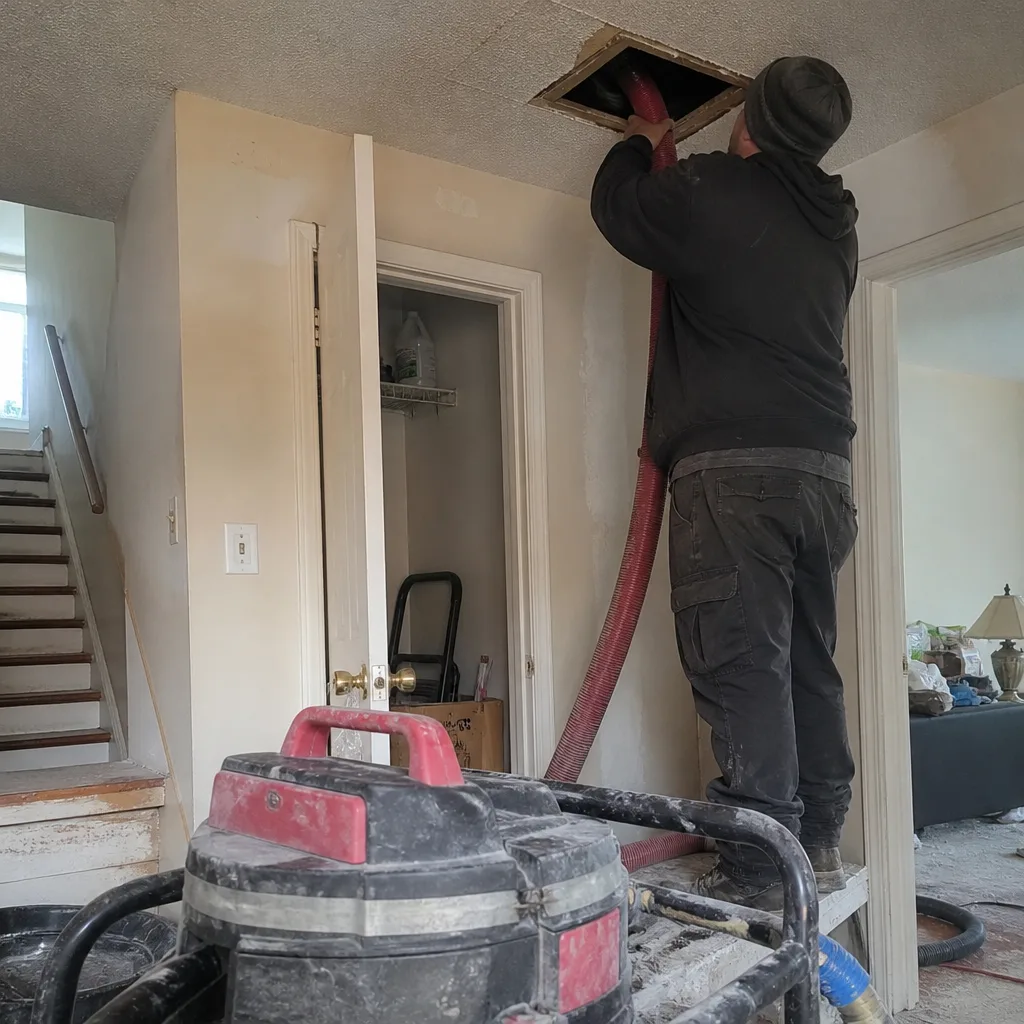 Before
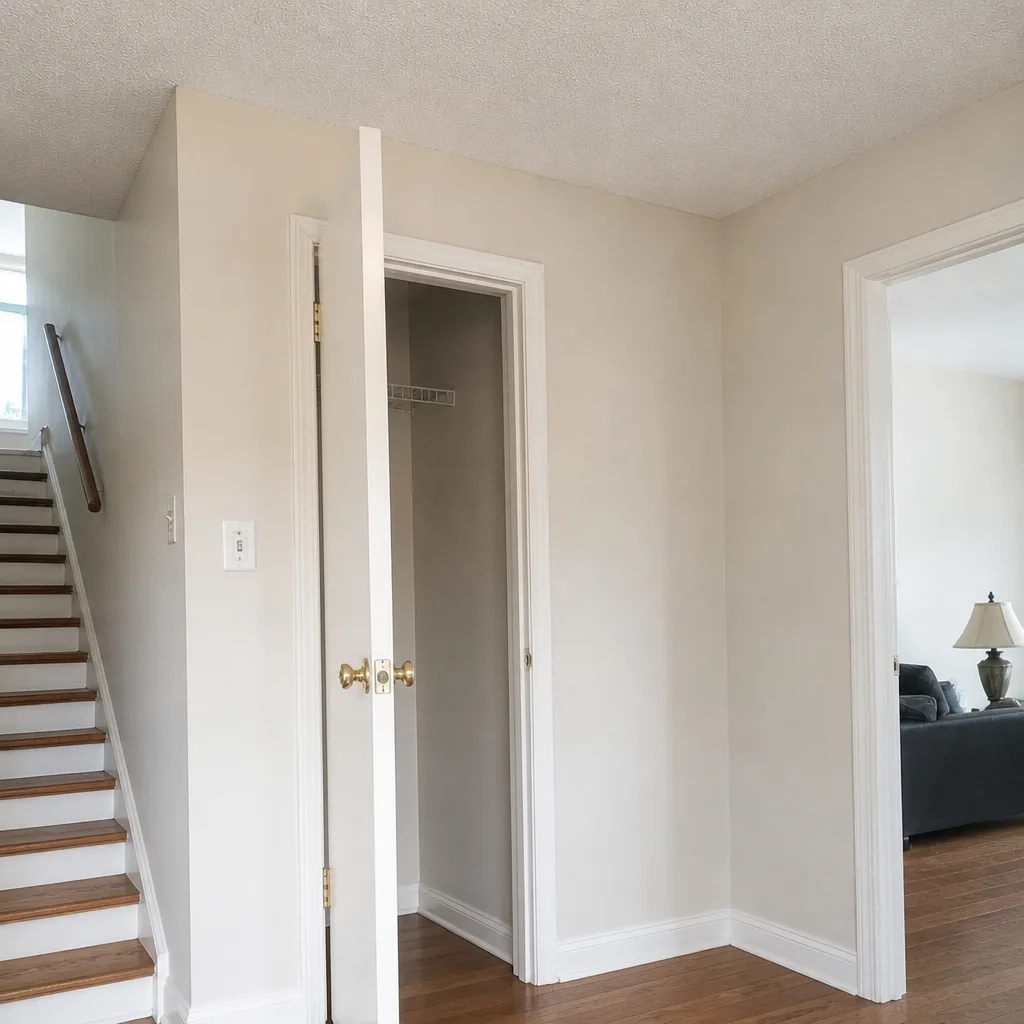 After
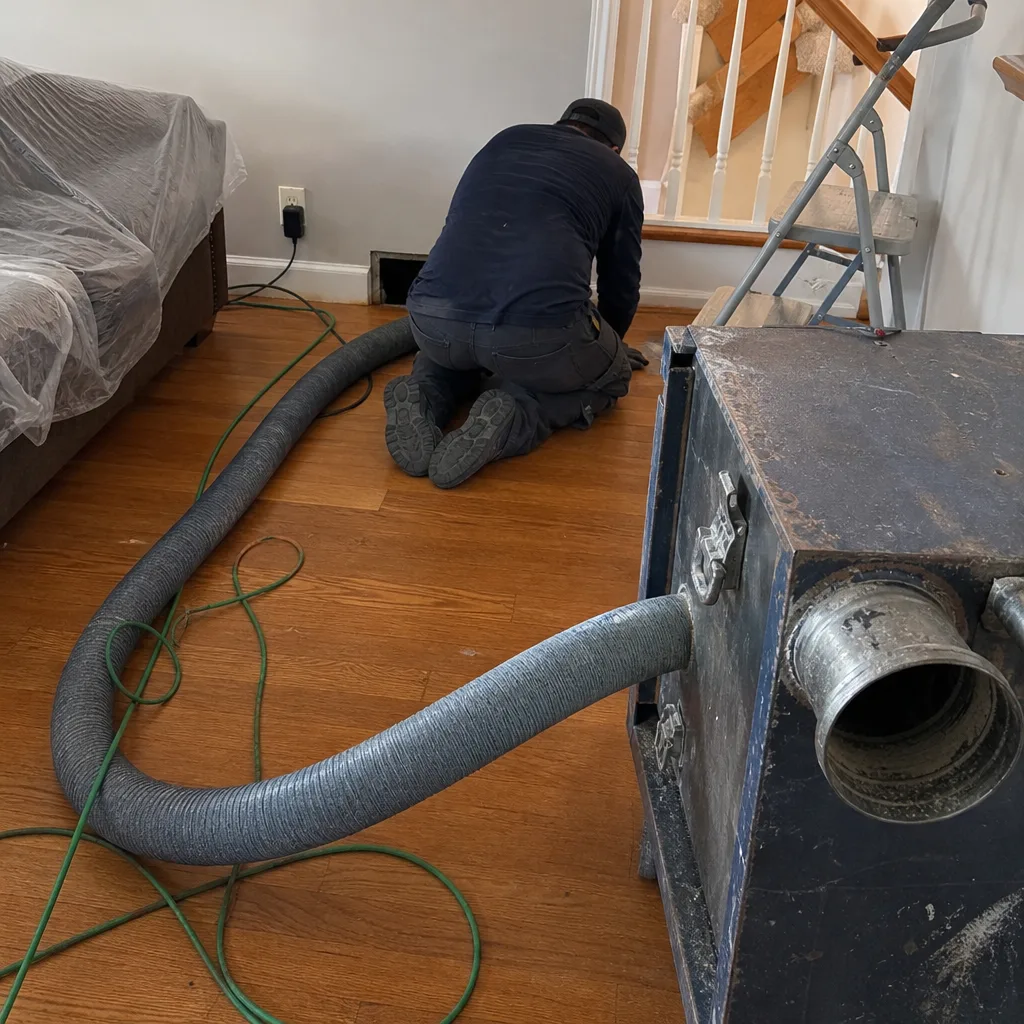 Before
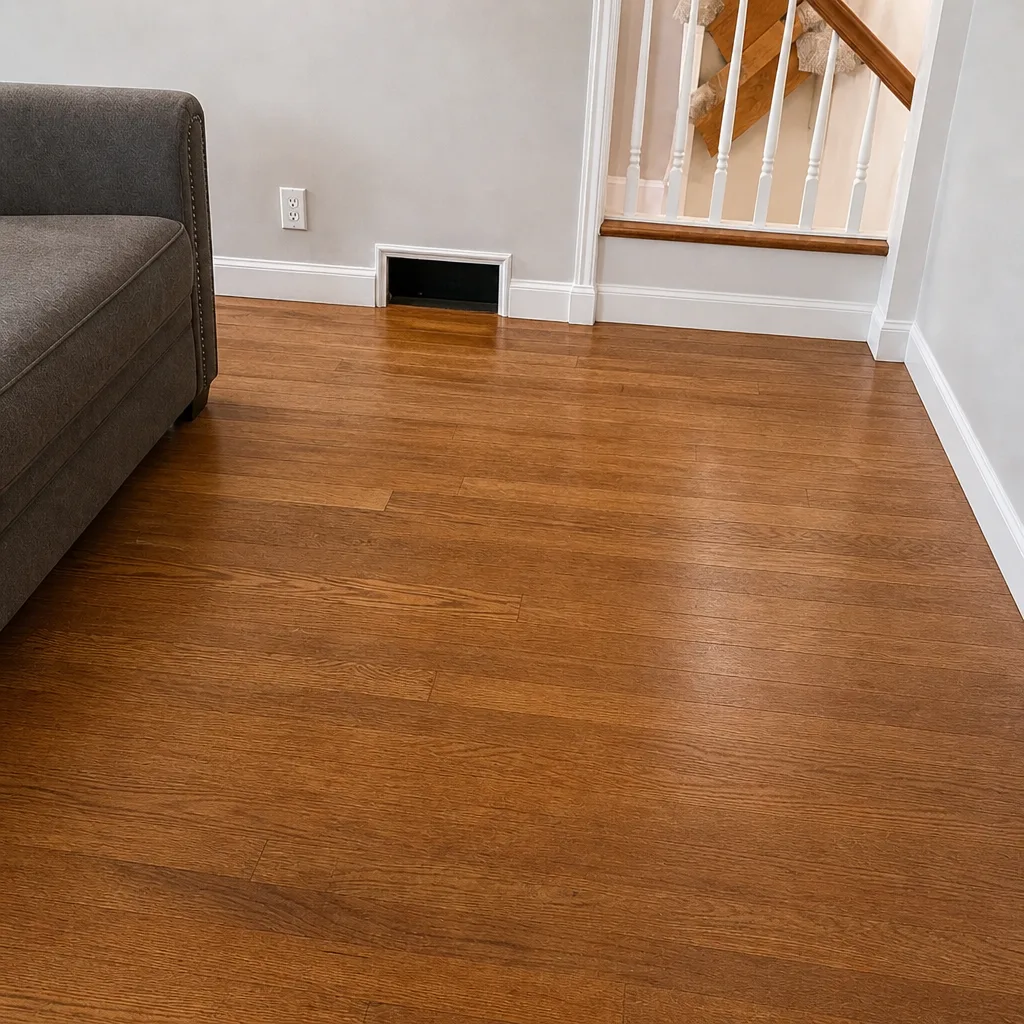 After
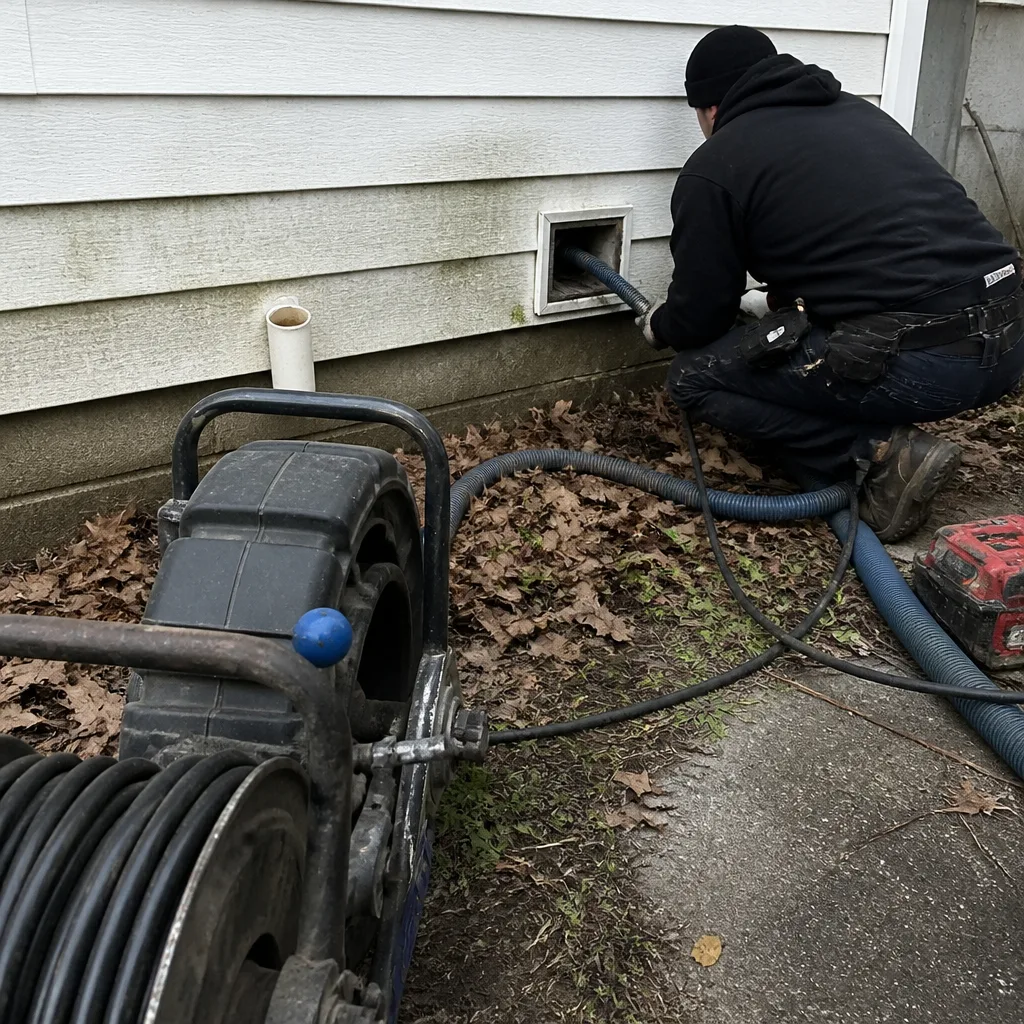 Before
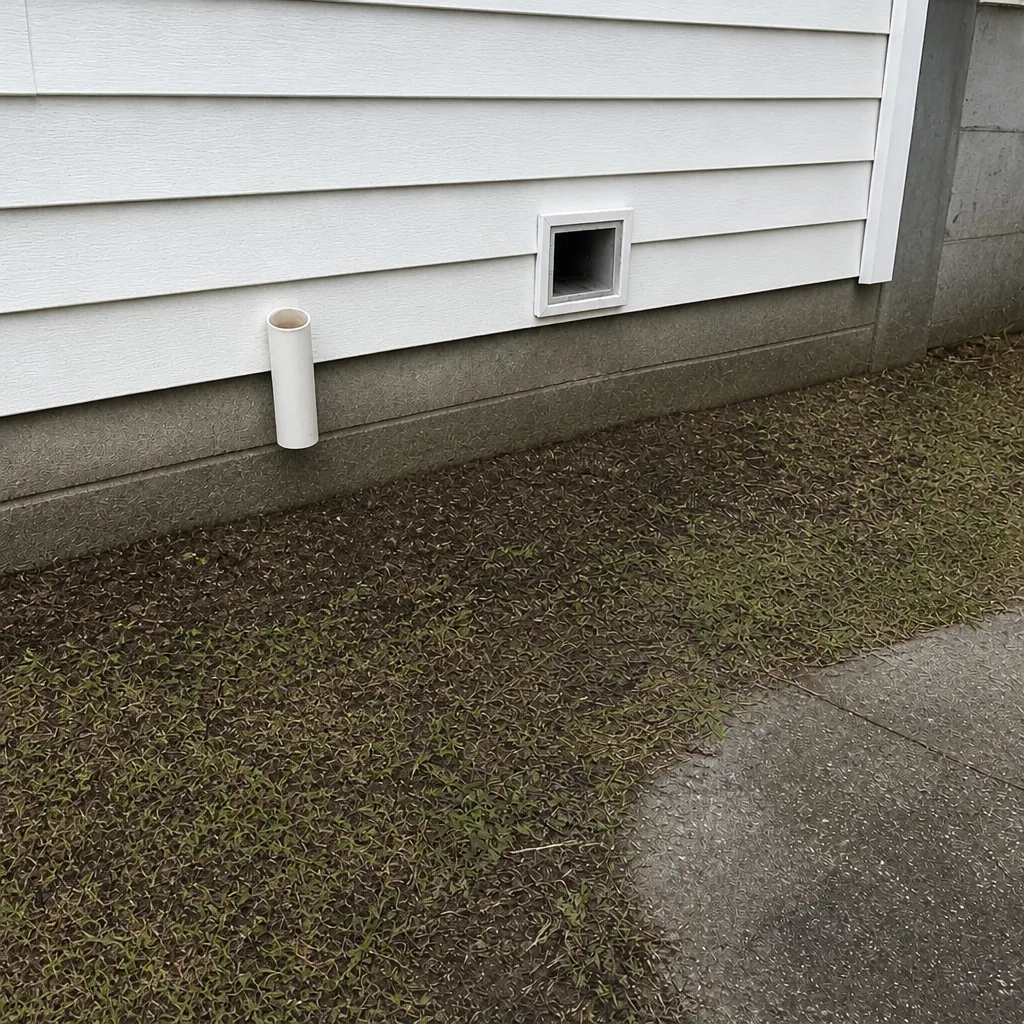 After
When to Call a Professional
Some situations need a trained contractor with professional equipment, not a homeowner with a shop vac. If you’ve recently purchased a home and don’t know the duct history, a professional inspection gives you a baseline. If you’ve finished a renovation, construction dust settles deep in ductwork and needs mechanical agitation and containment to remove. If family members have allergies or asthma, the equipment gap between residential and professional-grade cleaning matters more, not less. If you notice visible debris around vents, uneven airflow between rooms, or a musty smell when the system runs, something needs inspecting. And if your dryer has been taking longer to dry clothes, a clogged vent is a fire hazard worth addressing.
Duct Cleaning Chesapeake offers free estimates in Chesapeake – call (855) 695-8132. We answer 24/7. Fast dispatch from 7am to 7pm, Sunday through Friday.
Frequently Asked Questions
Professional duct cleaning companies should use commercial or restoration-grade equipment: a collection unit like a Nikro negative-air machine, an agitation tool like a Rotobrush rotary brush system, and filtration like Abatement Technologies provides. The specific brand matters less than the tier – if the contractor can name professional manufacturers, they’ve invested in the class of equipment that finishes the job. If they can’t, ask why not.
Ask for equipment photos and before-and-after camera images of actual duct interiors from recent jobs. A legitimate contractor has both and will share them. Ask the contractor to walk you through the process step by step – inspection, agitation, collection, containment, verification – and confirm that documentation of your own ducts is part of the job. If any of those requests get deflected, book someone else.
Neither model is automatically better – the equipment and the willingness to document the work are what matter. Franchise operators vary widely in local equipment investment, and independent specialists vary in quality too. A dedicated air system specialist with professional-grade tools and before-and-after documentation beats either model without those things.
Cheap quotes usually reflect missing equipment, missing containment, or a teaser price that grows once the technician is on-site. A real professional job includes negative pressure, filtration, mechanical agitation, and documentation – all of which cost money to provide and operate. If a price can’t plausibly cover that, it isn’t covering it. Ask what’s included, and ask for the written estimate before work starts.
Flex duct compatibility, strong negative pressure ratings across the whole system, and HEPA-grade filtration on the exhaust are the three that matter most here. Chesapeake’s humid summers put moisture stress on ductwork, and the housing mix means systems vary from home to home. Equipment built for commercial and restoration environments handles that variety; entry-level residential vacuums struggle with it.
They can, and it’s usually better when they are. A company that handles duct cleaning and repair as one job can spot leaks, damage, or blockages during the cleaning and address them without a second appointment. We offer duct cleaning in Chesapeake with repair on the same visit, along with dryer vent cleaning, all under one call.
The Bottom Line
The right air duct cleaning brand in Chesapeake is the one whose equipment does the work. Ask what collection unit, agitation tool, and filtration system will be in your home, and listen for manufacturer names like Rotobrush, Nikro, or Abatement Technologies. Verify the claims with photos and process questions. Reject teaser pricing in favor of a written per-system estimate, and require before-and-after documentation of your own ducts. A dedicated air specialist who invests in professional-grade tools is a better choice than a generalist who added duct cleaning to the menu. That’s the whole framework – and it’s the one we build our work around.
Call (855) 695-8132 for a free estimate. We answer 24/7. Fast dispatch from 7am to 7pm, Sunday through Friday.
Written by the team at Duct Cleaning Chesapeake.