
Last updated November 16, 2026
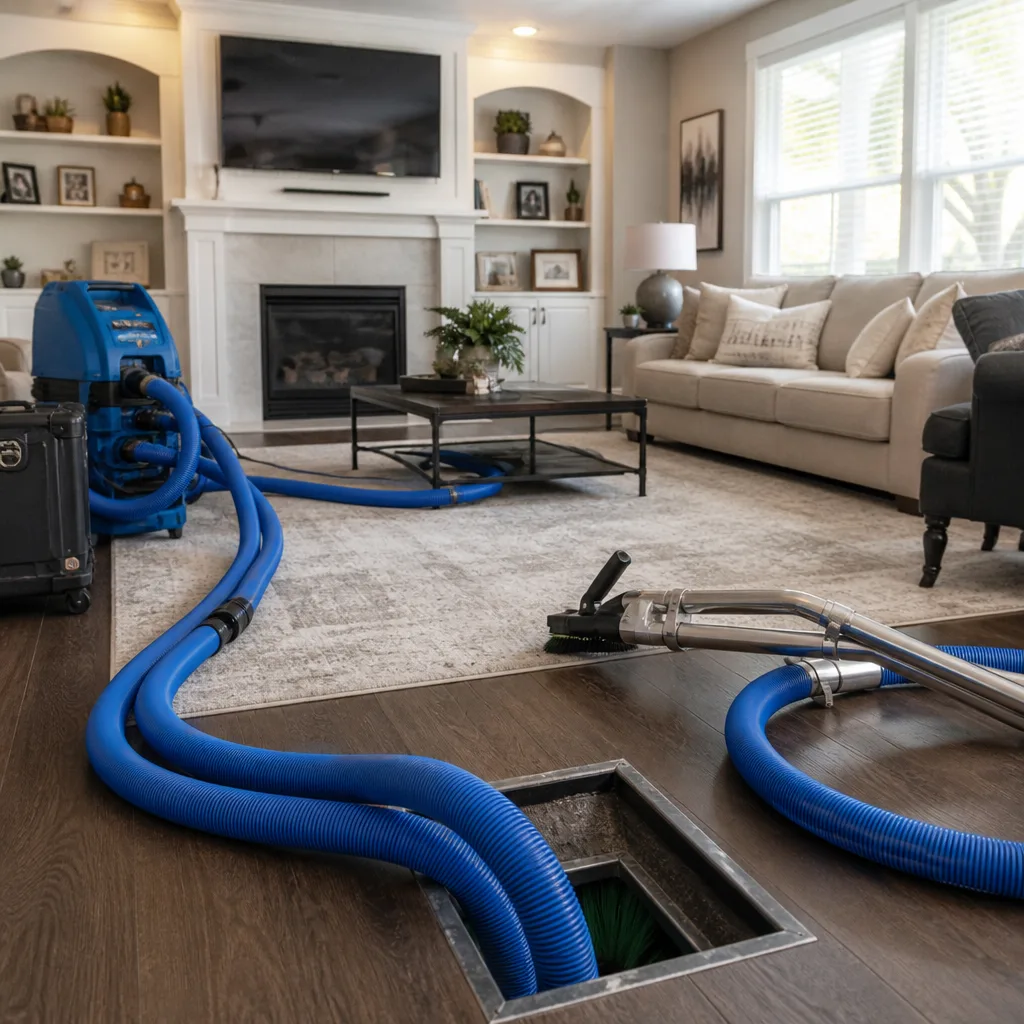 Whole-home duct cleaning
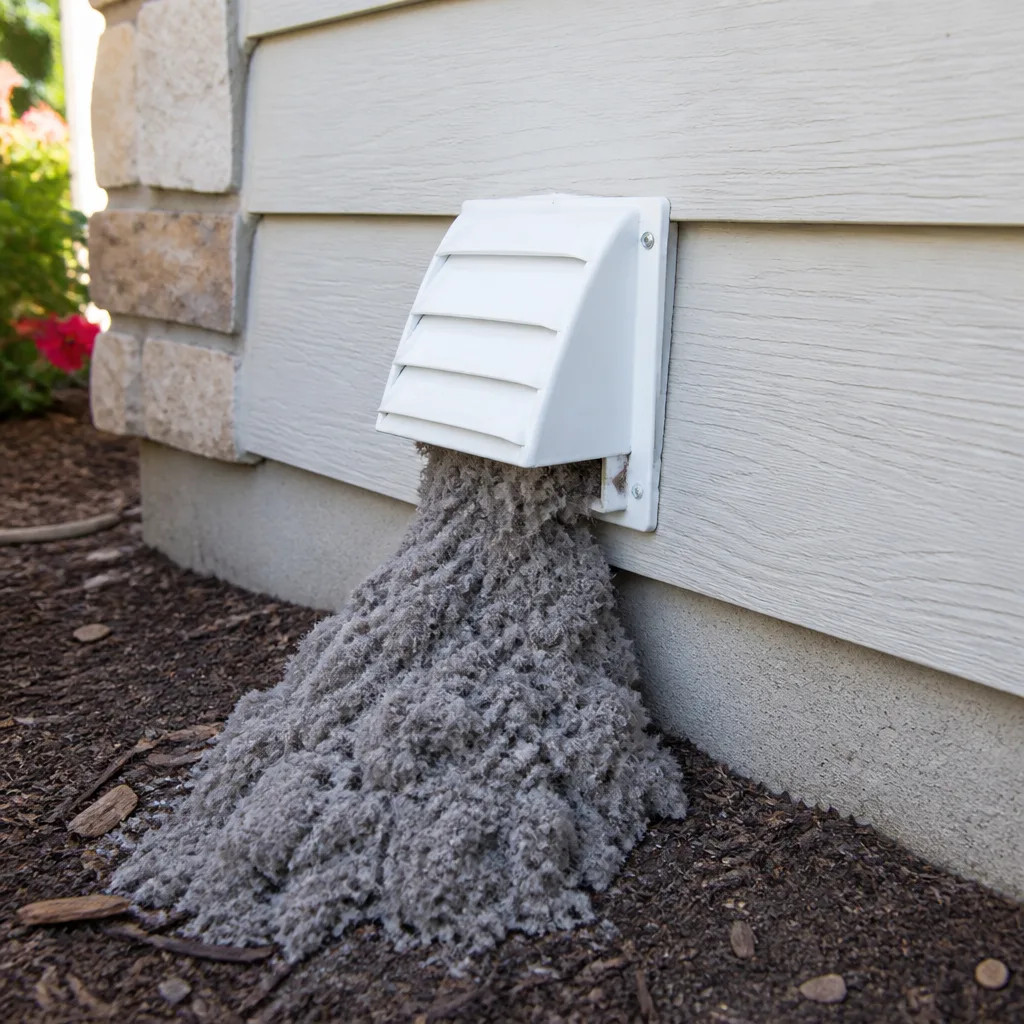 Dryer vent cleaning
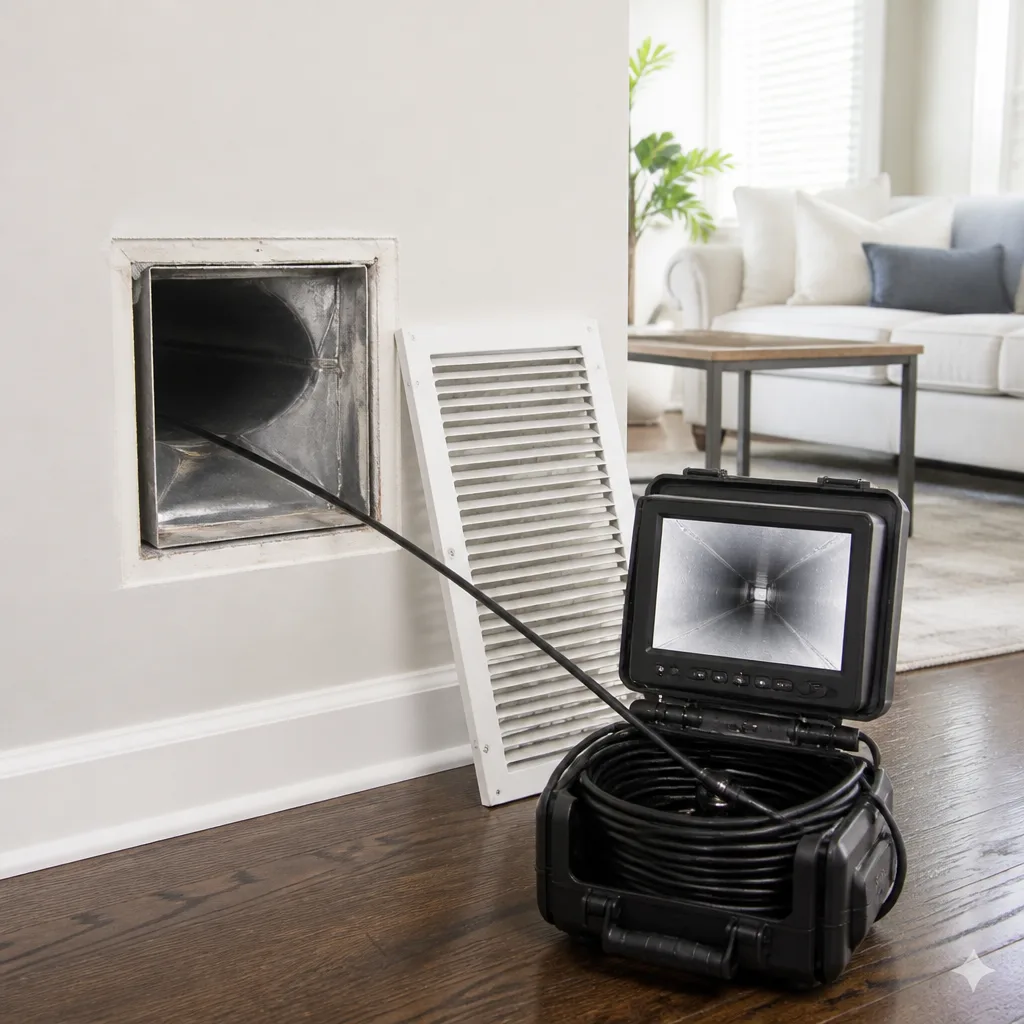 Camera inspection
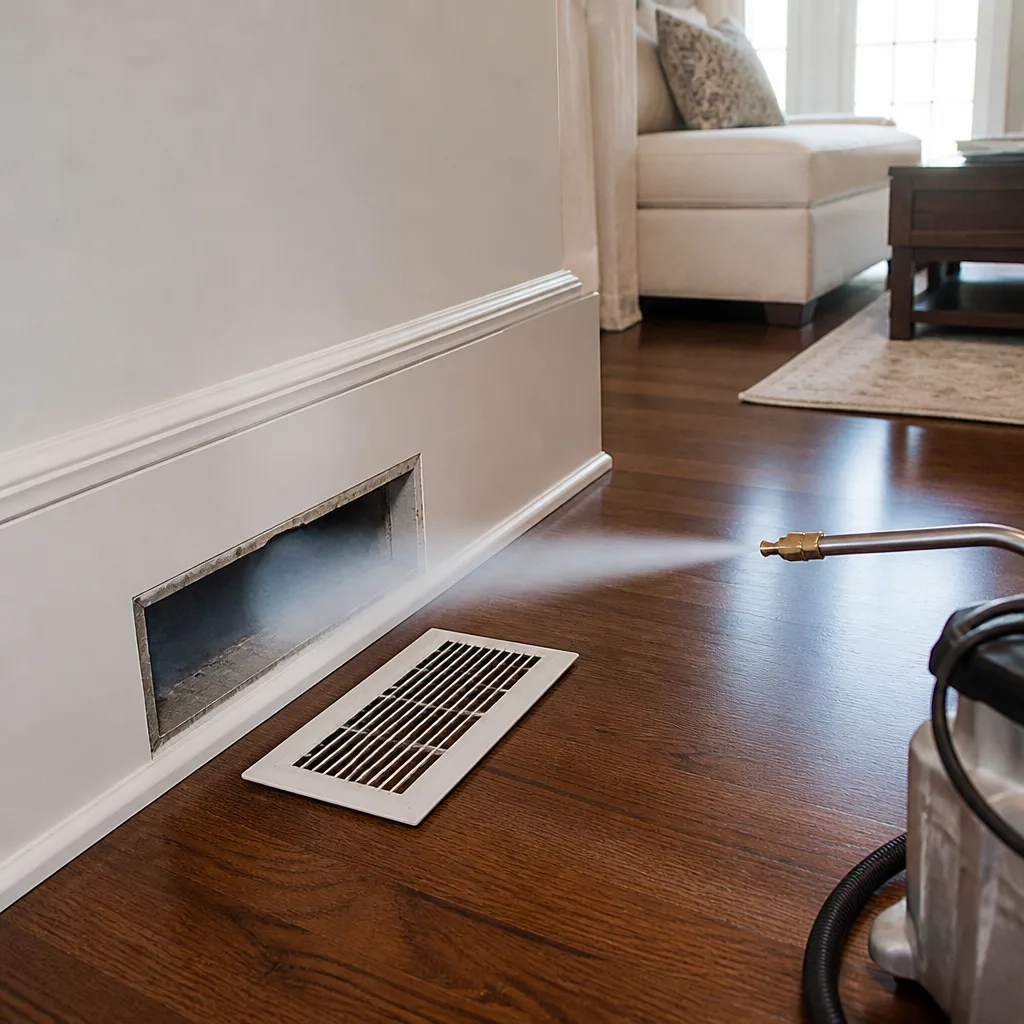 Sanitizing & deodorizing
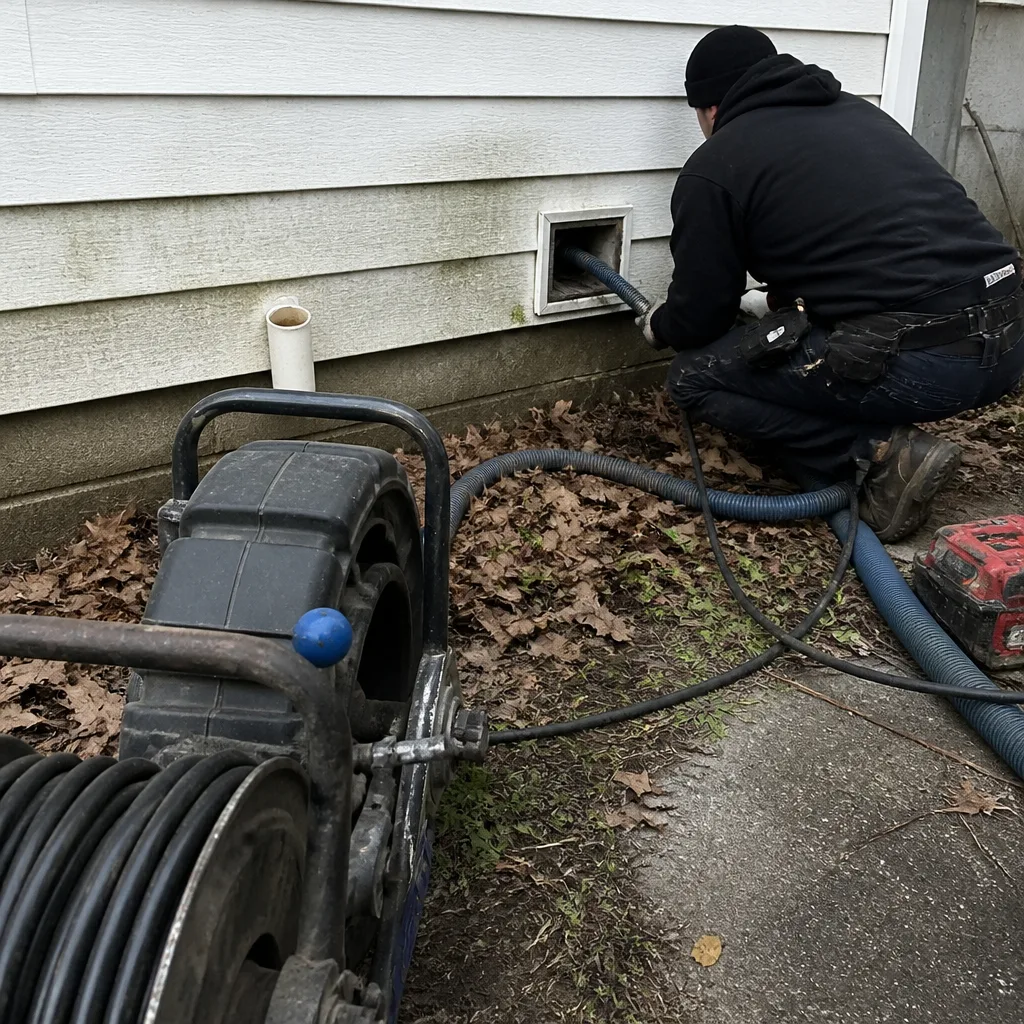
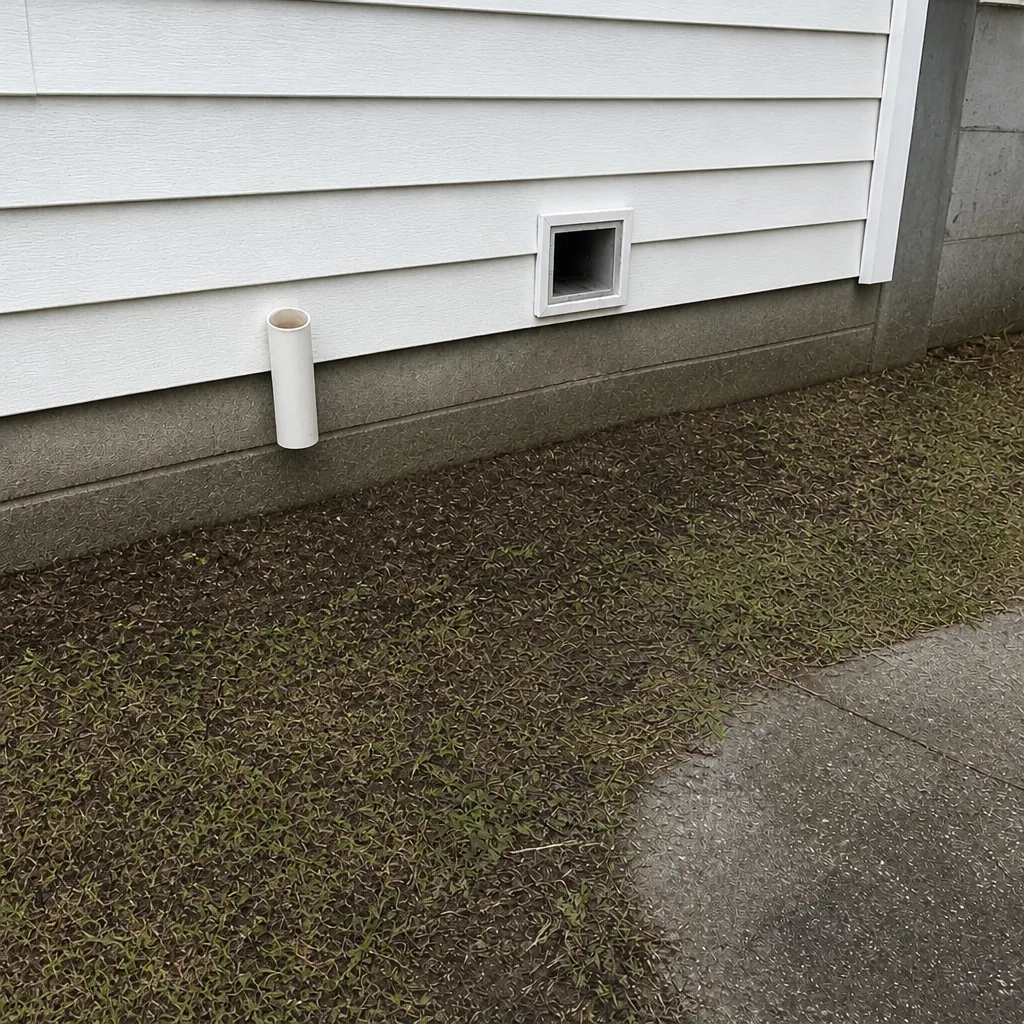
Whole-system duct and dryer vent check with before-and-after photos - you see exactly what came out of your vents
That "$99 whole-house special" is a bait ad - the real number appears once they are in your hallway, or the "clean" is a shop-vac at the register. We photograph the inside of your ducts before and after instead.
Air Duct Cleaning Troubleshooting in Chesapeake: Common Problems and How to Fix Them
Most homeowners troubleshoot their ductwork backwards. They notice a musty smell or a weak vent, decide what the problem is, and buy a fix for that guess. A UV light kit goes in to kill what looks like mold smell when the real source is a disconnected trunk line pulling humid crawlspace air into the system. The money’s spent and nothing changed. Troubleshooting ducts isn’t a symptom checklist; it’s a diagnostic process. Before you can fix a complaint, you have to sort it into one of two buckets: is this a contamination problem, or a mechanical and airflow problem? In this guide we walk through the common complaints we hear across Chesapeake, what each one usually traces back to, and how to describe your symptoms so a technician diagnoses the cause instead of selling you a default package.
Quick Answer
Start by separating contamination problems (odors, dust, visible debris) from mechanical problems (weak airflow, uneven temperatures, noise). Cleaning fixes contamination; it won’t fix a disconnected duct, a crushed flex run, or a failed damper. Document when and where symptoms appear, then get an inspection that covers both the air handler and the duct runs before agreeing to any work in Chesapeake.
Styles & brands we work with
- Whole-home duct cleaning
- Dryer vent cleaning
- Camera inspection
- Sanitizing & deodorizing
Table of Contents
- Contamination vs. Mechanical: Sorting Your Problem First
- Musty Odors After Cleaning: What They Usually Mean
- Dust From Vents After Cleaning: Normal or a Red Flag?
- Why Crawlspace Humidity Drives Duct Problems in Chesapeake
- Weak Airflow and Uneven Rooms: Where to Look
- How to Describe Symptoms So You Get a Diagnosis
- Dryer Vent Problems: A Separate Safety Category
- When to Call a Professional
Contamination vs. Mechanical: Sorting Your Problem First
The single most useful thing you can do before calling anyone is decide which category your complaint falls into. Contamination problems are about what’s inside the ducts: dust, debris, odors, biological growth on damp surfaces. Mechanical problems are about how the system moves air: disconnected joints, crushed or kinked flex duct, closed or broken dampers, undersized returns, leaks at the plenum. Cleaning addresses the first. Repair addresses the second. If you book cleaning for a mechanical problem, you pay for a service that can’t solve what you’re experiencing.
Here’s how to tell them apart in practice:
- Contamination signals: musty or stale smell that’s strongest when the system first starts, visible dust settling on surfaces shortly after the fan runs, dark staining around registers, a recent renovation or a home you just bought with unknown maintenance history.
- Mechanical signals: one room consistently weaker than the rest, a vent that blows fine in one season and barely at all in another, whistling or rattling at a specific register, temperature swings between floors that no thermostat setting fixes, or a room that gets worse when a nearby door closes.
Plenty of homes in Chesapeake have both at once, which is exactly why the order matters. A disconnected trunk line in a vented crawlspace doesn’t just starve a room of air; it pulls humid outdoor air into the system, which creates the damp conditions that feed odor. Fix the connection first and the contamination problem often shrinks. Clean first and you’ll be cleaning again.
When we inspect a system, we look at the air handler, the plenum, the trunk lines and the branch runs as one assembly. A duct cleaning that skips the mechanical check isn’t troubleshooting, it’s vacuuming. If your system has leaks, damage or a blockage, that’s a repair question, and we handle air duct repair alongside cleaning so the cause and the symptom get addressed on the same visit.
Musty Odors After Cleaning: What They Usually Mean
A musty smell that lingers or returns after a cleaning usually points to one of three things: residual moisture somewhere in the system, degraded internal duct liner, or access points the previous cleaning never reached. The smell isn’t proof the cleaning failed, but it is proof the diagnosis was incomplete.
Residual moisture is the most common in this region. Condensate from the air handler, a sweating plenum, or humid air pulled in through a leak can leave surfaces damp enough to support odor even after debris is removed. If the ducts were cleaned but the moisture source wasn’t addressed, the smell comes back because the conditions that created it never changed.
Liner degradation is the second. Many older flexible and internally lined ducts break down over time, and once the inner lining starts to fail it sheds fibers and holds moisture. No amount of brushing restores it. In that case the honest answer is that a section of duct needs replacing, not recleaning.
Missed access points are the third. A thorough cleaning requires access at the air handler, the trunk, and the branch runs. If a technician only worked through the floor registers with a shop vacuum, entire sections of the system were never touched. Odor from those sections will keep circulating.
A qualified cleaner responds to a musty-odor callback by re-inspecting the whole system, not by offering another cleaning. Expect questions about moisture, recent water events, and whether the liner is intact. If a company’s only answer to a persistent smell is to clean again, that tells you something about how they diagnose. Our approach uses negative air pressure with an Abatement Technologies filtration unit to contain what’s dislodged, but containment only helps if the source is correctly identified first.
Dust From Vents After Cleaning: Normal or a Red Flag?
Some dust from the registers in the first 48 hours after cleaning is normal. Tiny particles settle in the system and get pushed out when the fan runs. What separates normal from a red flag is volume, duration, and where the dust shows up. A light puff that clears within two days is expected. Plumes of dust that keep coming a week later, or dust settling heavily on surfaces across the house, usually means the job was done without adequate negative pressure.
Negative pressure is the core of a proper cleaning. A high-powered vacuum pulls the system into negative pressure so that when a rotary brush or air whip dislodges debris, that debris travels toward the vacuum instead of into your living space. Without it, brushing a duct is essentially blowing dust into the house. This is why the equipment matters. Rotary-brush systems like Rotobrush paired with a negative-air machine do a fundamentally different job than a portable vacuum run through the vents.
What to check when dust persists:
- Confirm the air handler was part of the cleaning. Debris in the cabinet and blower compartment keeps feeding the system.
- Ask whether negative pressure was maintained during brushing, or whether registers were merely vacuumed.
- Check supply and return registers for debris left behind at the grille faces.
- Look for construction dust or renovation residue in the return, which takes longer to clear and may need a second pass.
- Rule out a mechanical cause: a leaky return in a dirty attic or crawlspace will pull dust in continuously no matter how clean the ducts are.
If dust is still heavy after a week, ask for before-and-after photos of your own ducts. A company that documents its work can show you what the inside of each run looked like before and after, which settles the question quickly.
Why Crawlspace Humidity Drives Duct Problems in Chesapeake
A large share of the persistent odor and dust complaints we deal with in Chesapeake trace back to the crawlspace. Homes here sit over vented crawlspaces, and the soil under a house holds moisture year-round. That moisture rises as vapor. When a flex duct run has a torn jacket, a loose connection, or a joint that was never sealed properly, the system pulls that humid crawlspace air directly into the supply stream. The result is a house that smells musty, feels clammy in certain rooms, and seems to get dustier no matter how often it’s cleaned.
This is a complication homeowners rarely connect to their ducts, and it’s why replacement of a failed section often matters more than another cleaning. Some signs that crawlspace air is entering the system:
- Musty odor that’s strongest in rooms closest to the crawlspace or on the lowest level.
- Condensation on supply registers or duct surfaces during humid stretches.
- Dust that returns quickly after a cleaning, especially fine gray material.
- Higher indoor humidity than the outdoor conditions would suggest.
Sealing and repairing the compromised run is the fix. Once the duct is tight, the humidity source is cut off and the odor problem often resolves without additional treatment. Cleaning removes what accumulated; repair stops it from accumulating again. In our experience, the two work best as one job, which is one reason a company focused solely on air systems is a better fit than a generalist who only vacuums.
For homeowners dealing with ongoing air-quality concerns beyond the ducts themselves, we also service Honeywell and Aprilaire indoor-air-quality systems, which lets us look at filtration and humidity control as part of the same picture instead of treating the ducts in isolation.
Weak Airflow and Uneven Rooms: Where to Look
Weak airflow is rarely a cleaning problem. A duct full of debris will reduce flow, but if one room is weak while the rest are fine, the cause is almost always mechanical. Here’s the diagnostic order we use, and one you can follow when describing the issue:
- Check the filter and blower. A clogged filter or a dirty blower wheel cuts airflow everywhere, not just one room. If every vent is weak, start here.
- Check the dampers. Branch dampers at the plenum can be partially closed from a previous balancing attempt, or a damper can fail in a closed position.
- Trace the branch run. Flex duct that’s kinked, crushed, or sagging between supports loses significant flow. A run that was pulled too tight around a corner is a common find.
- Inspect the connections. A branch that’s separated from the trunk, or a boot that’s disconnected from the register, dumps conditioned air into the crawlspace or wall cavity instead of the room.
- Consider the layout. Long runs to far rooms, undersized returns, and rooms with a single small register will always underperform relative to the rest of the house.
Uneven temperatures follow the same logic. A room that’s fine in mild weather and struggles in a Chesapeake summer is telling you the system is at its limit, and the weak branch is the bottleneck. Balancing the system with dampers, sealing leaks, and repairing crushed runs usually does more for comfort than any cleaning. Cleaning matters when the system is contaminated, but it won’t fix a room that isn’t getting its share of air.
How to Describe Symptoms So You Get a Diagnosis
How you describe the problem determines what you get quoted. Vague complaints get default packages; specific observations get a diagnosis. Before you call, take fifteen minutes and write down what you’re actually experiencing. This is the difference between “my ducts need cleaning” and “the back bedroom smells musty for the first ten minutes after the system starts, and it’s worse on humid days.”
A useful symptom log covers:
- Where: which rooms, which registers. Note if it’s one room, one floor, or the whole house.
- When: on system startup, continuously, only in certain seasons, or after a specific event like a renovation.
- What: odor (musty, dusty, chemical), visible dust, noise, or temperature difference. Be literal.
- History: recent cleaning, recent repairs, a recent move-in, water intrusion, or renovation work.
- What you’ve already tried: filter changes, closing vents, running a purifier. This prevents repeat suggestions.
Bring this to the inspection and ask the technician to walk the system with you. A proper inspection includes the air handler, the plenum, the trunk, and access to the branch runs. Ask what they found and why they’re recommending what they’re recommending. A diagnosis you can follow is a good sign; a package price offered before anyone has looked at the system is not.
For a broader look at what a thorough cleaning involves and how to evaluate a quote, see our guide to air duct cleaning.
Dryer Vent Problems: A Separate Safety Category
Dryer vent problems look like duct problems from the homeowner’s side, but they belong in their own category because the stakes are different. A clogged dryer vent restricts airflow, which makes the dryer run hot and extends drying times, and lint accumulation in the vent line is a documented fire risk. This is why we treat dryer vent cleaning as a safety service, not a maintenance add-on.
Signs your dryer vent needs attention:
- Clothes take noticeably longer to dry than they used to.
- The dryer or the laundry room feels unusually hot during a cycle.
- Lint accumulates around the dryer’s exterior vent hood or behind the appliance.
- The exterior flapper doesn’t open fully or doesn’t move at all when the dryer runs.
Vent routing matters here. Long runs, multiple elbows, and flexible foil or vinyl venting trap lint more readily than short, rigid metal runs. If your dryer vent terminates on the roof or takes a winding path through the house, it needs attention more often. A blocked vent doesn’t just hurt performance; it’s one of the leading causes of residential dryer fires, which is why the National Fire Protection Association treats vent cleaning as a safety practice, not an optional one.
Common Mistakes to Avoid
Most of the wasted money we see in Chesapeake comes from a handful of avoidable mistakes. Here’s what to watch for:
- Buying a treatment before a diagnosis. UV lights, ozone generators and air purifiers are sold as fixes for duct odor, but none of them address a disconnected duct or a moisture source. Diagnose first, then buy.
- Booking cleaning for a mechanical problem. If one room is weak or a run is crushed, cleaning can’t fix it. Ask whether the inspection includes the mechanical side of the system, not just the duct interior.
- Choosing on price alone. A quote that’s dramatically lower than others usually reflects equipment and access. If a company is running a shop vacuum through the registers, you’re not getting a whole-system cleaning.
- Skipping the crawlspace. In Chesapeake, a compromised duct in a vented crawlspace pulls humid air straight into the system. Leaving it out of the inspection means the odor problem comes back.
- Accepting work without documentation. Ask for before-and-after photos of your own ducts. If a company can’t show you the inside of your system before and after, you have no way to verify what was done.
- Assuming dust after cleaning is failure. Some dust is normal for up to 48 hours. Heavy dust beyond a week is a signal the job was done without adequate negative pressure, so know the difference before you call back.
- Ignoring the dryer vent. It’s easy to treat the dryer vent as separate housekeeping. Lint accumulation is a fire risk, and it deserves its own inspection.
When to Call a Professional
Some problems are worth a conversation with a technician rather than a DIY attempt. Call a professional if you smell musty odor that returns after cleaning, if one or more rooms have persistently weak airflow despite filter changes, or if you’ve recently moved into a home in Chesapeake with unknown duct history. Call also if you see visible dust blowing heavily a week or more after a cleaning, if you suspect a disconnected or crushed duct, or if your dryer takes far longer to dry than it used to. And if you’ve had a renovation, a water intrusion, or a pest issue in the ductwork, an inspection is worth doing regardless of how the system seems to be performing. Duct Cleaning Chesapeake offers free estimates in Chesapeake and serves the surrounding area. Call (855) 695-8132. We answer 24/7. Fast dispatch from 7am to 7pm, Sunday through Friday.
Frequently Asked Questions
If the complaint is about smell, dust or visible debris, start with contamination. If the complaint is about weak airflow, uneven temperatures or a vent that behaves differently by season, look at the mechanical side first. Many homes have both, which is why an inspection that covers the air handler and the duct runs matters more than a cleaning quote alone.
Repeated musty odor usually points to residual moisture, degraded duct liner, or access points that weren’t reached during cleaning. In Chesapeake, a common culprit is a compromised flex duct in a vented crawlspace that pulls humid air into the system. Call (855) 695-8132 for an inspection that looks at the moisture source, not just the duct interior.
Light dust for up to 48 hours after cleaning is normal. Heavy dust that persists a week or more usually means the job was done without adequate negative pressure during brushing. Ask for before-and-after photos of your own system, and call us at (855) 695-8132 if you’d like a second look.
Cost depends on system size, the number of runs, access, and whether repair work is needed. We set one flat price per system, agreed before any work begins, based on a written estimate, with no per-vent pricing. That removes the surprise invoice problem. Call (855) 695-8132 for a free estimate.
Cheaper quotes usually reflect less equipment and less access. A proper cleaning uses negative air pressure and rotary brushing across the whole system, not a portable vacuum at the registers. Ask what equipment will be used and whether the air handler and branch runs are included before comparing prices. Call (855) 695-8132 with questions about what a proper cleaning involves.
There’s no fixed schedule that fits every home. Frequent cleaning makes sense after a renovation, after moving into a home with unknown history, if there’s visible debris or persistent odor, or if someone in the household has significant allergy or asthma concerns. Otherwise, inspection and repair of leaks and mechanical problems matter more than routine cleaning.
The Bottom Line
Troubleshooting duct problems is a matter of diagnosis, not guesswork. Sort your complaint into contamination or mechanical first. Look at the crawlspace if odor keeps returning, because in Chesapeake humidity infiltration is often the real source. Expect light dust for up to 48 hours after cleaning and treat anything beyond that as a question worth asking. Ask for before-and-after photos, insist on one flat price per system agreed before work starts, and treat the dryer vent as the safety item it is. When you’re ready for a proper inspection, Duct Cleaning Chesapeake offers free estimates. Call (855) 695-8132. We answer 24/7. Fast dispatch from 7am to 7pm, Sunday through Friday. Our technicians have up to 11 years of experience diagnosing systems across the area, and our approach is built around a single flat price per system agreed before we begin.
Written by the team at Duct Cleaning Chesapeake.
See the difference
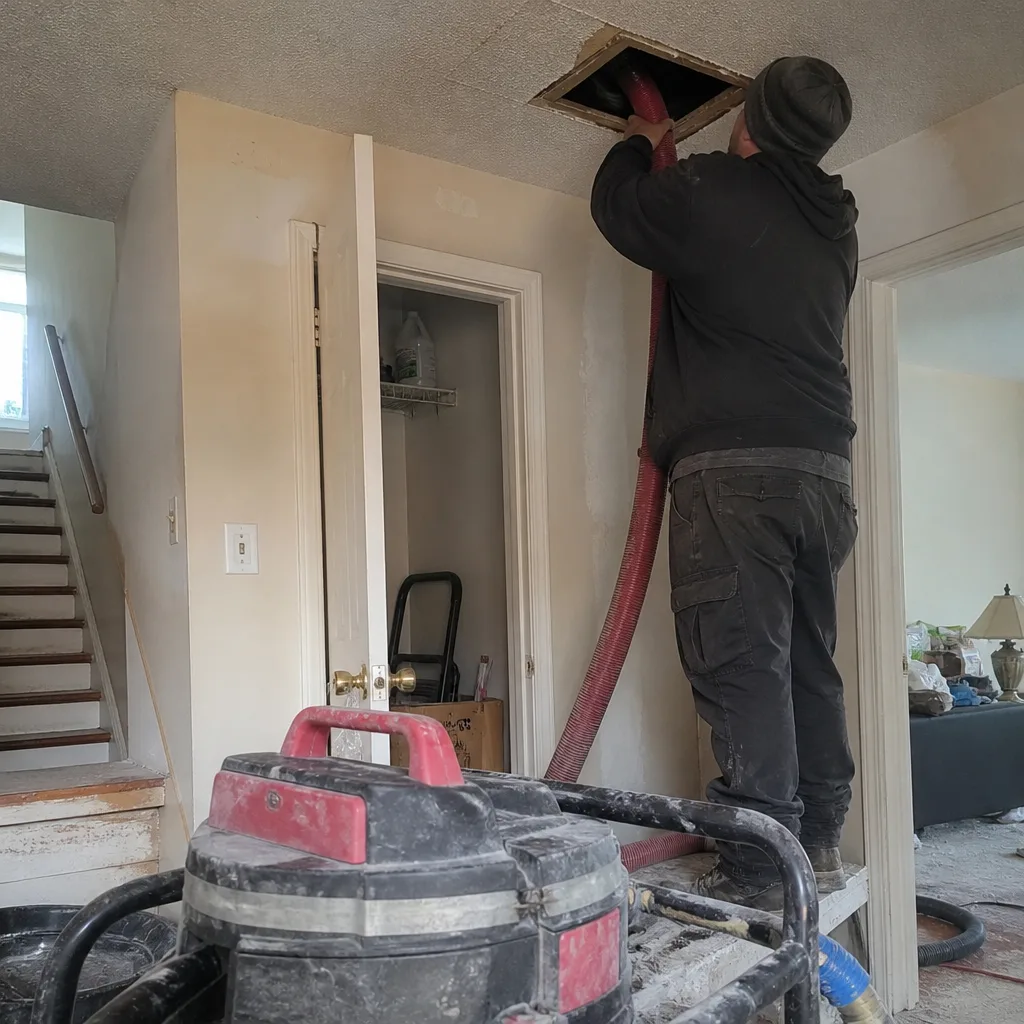 Before
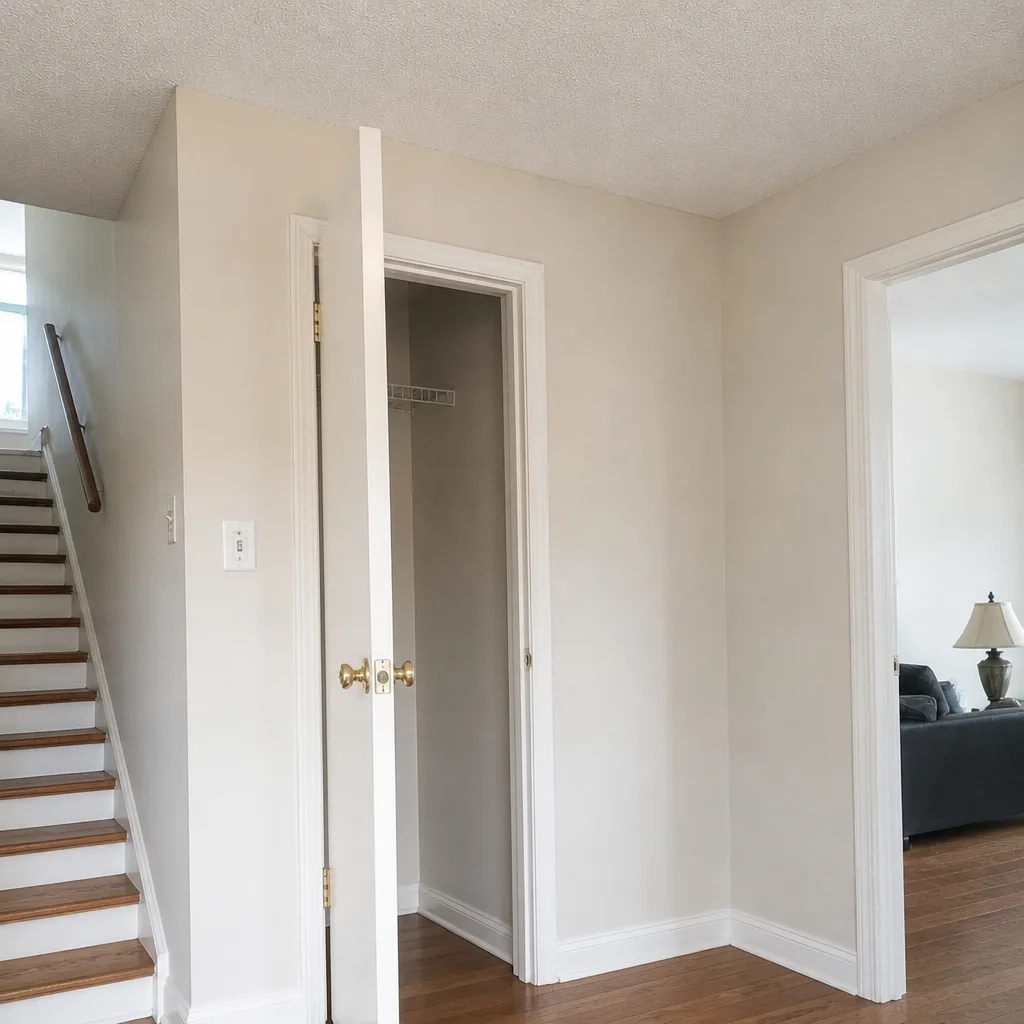 After
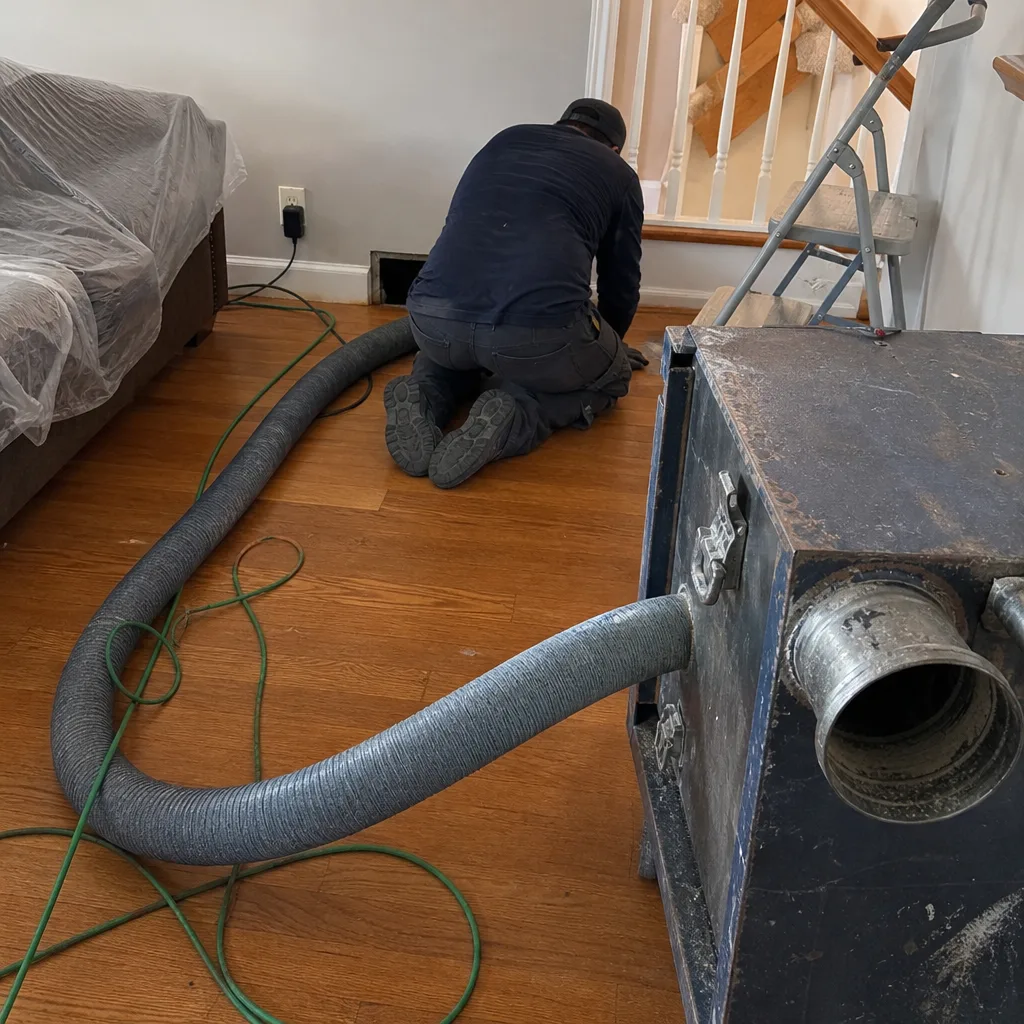 Before
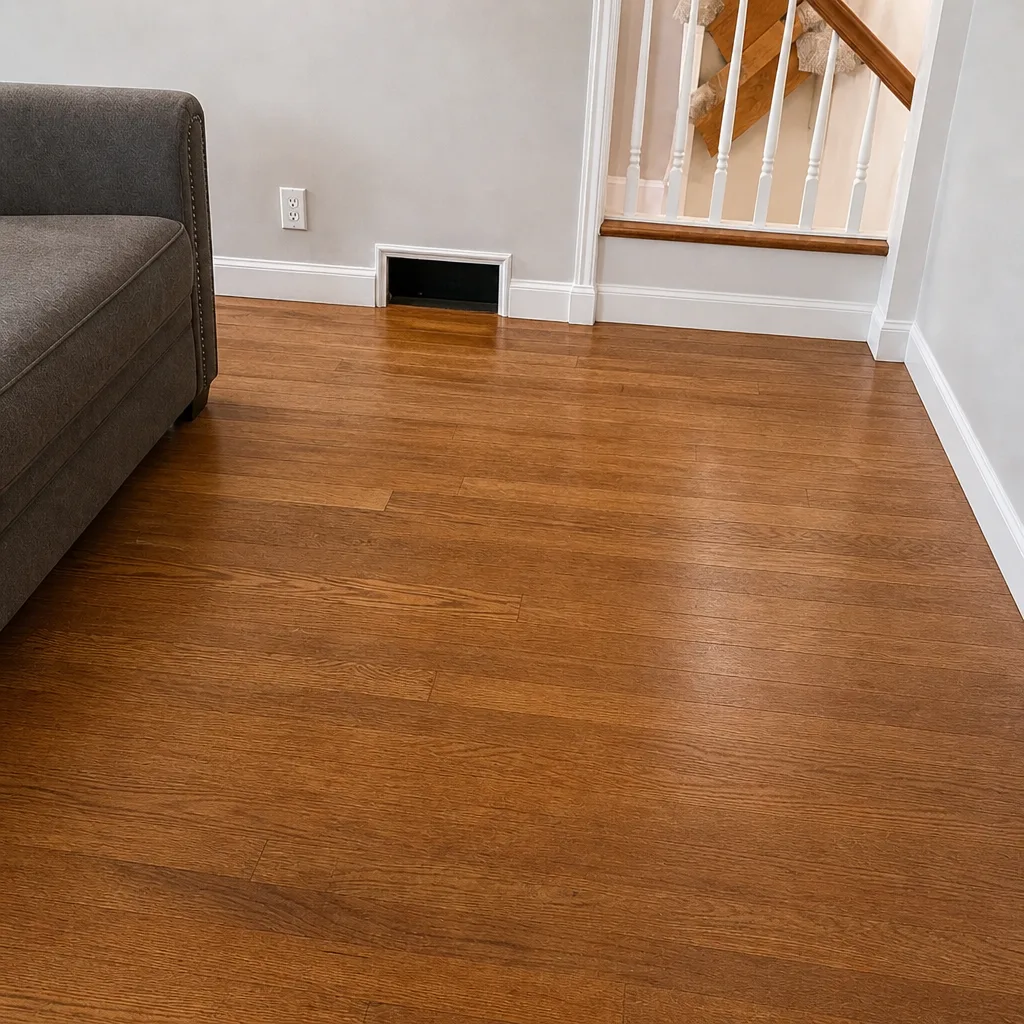 After
 Before
 After