
Last updated November 16, 2026
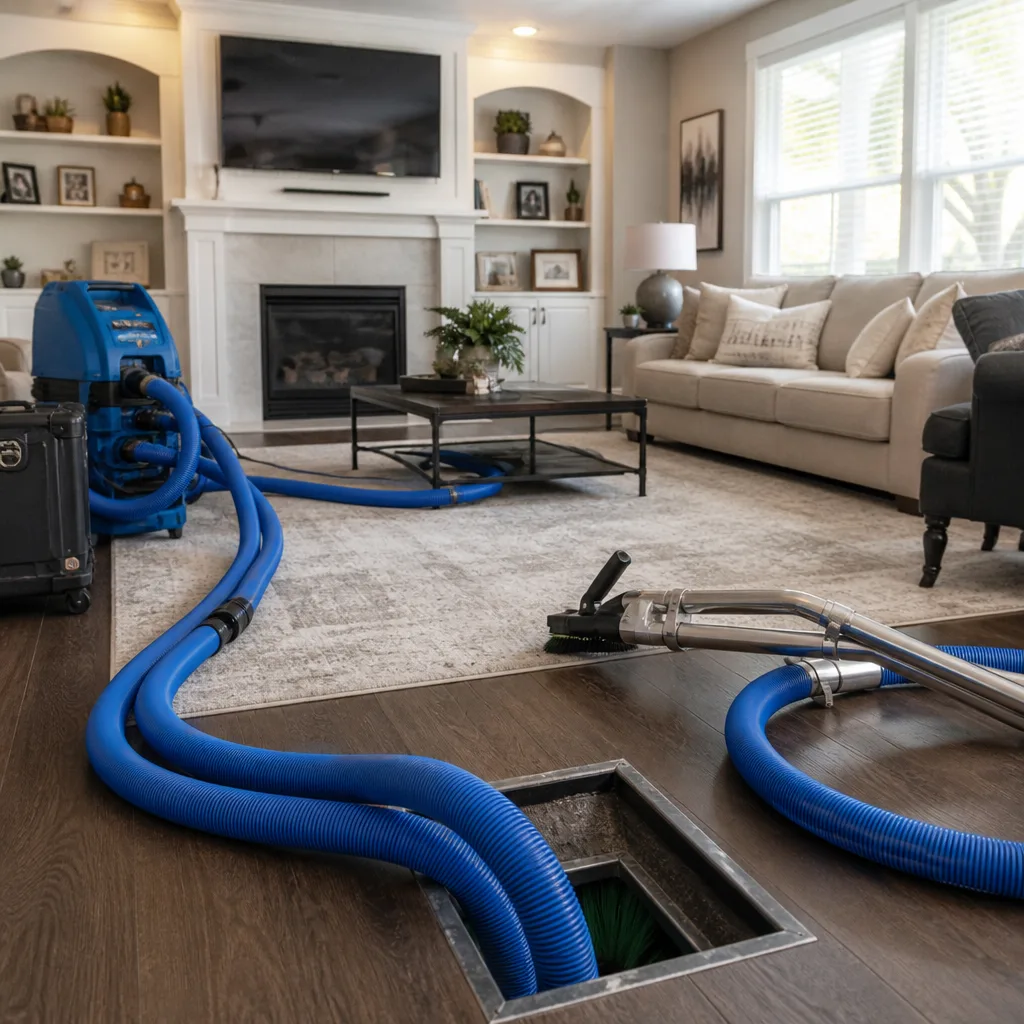 Whole-home duct cleaning
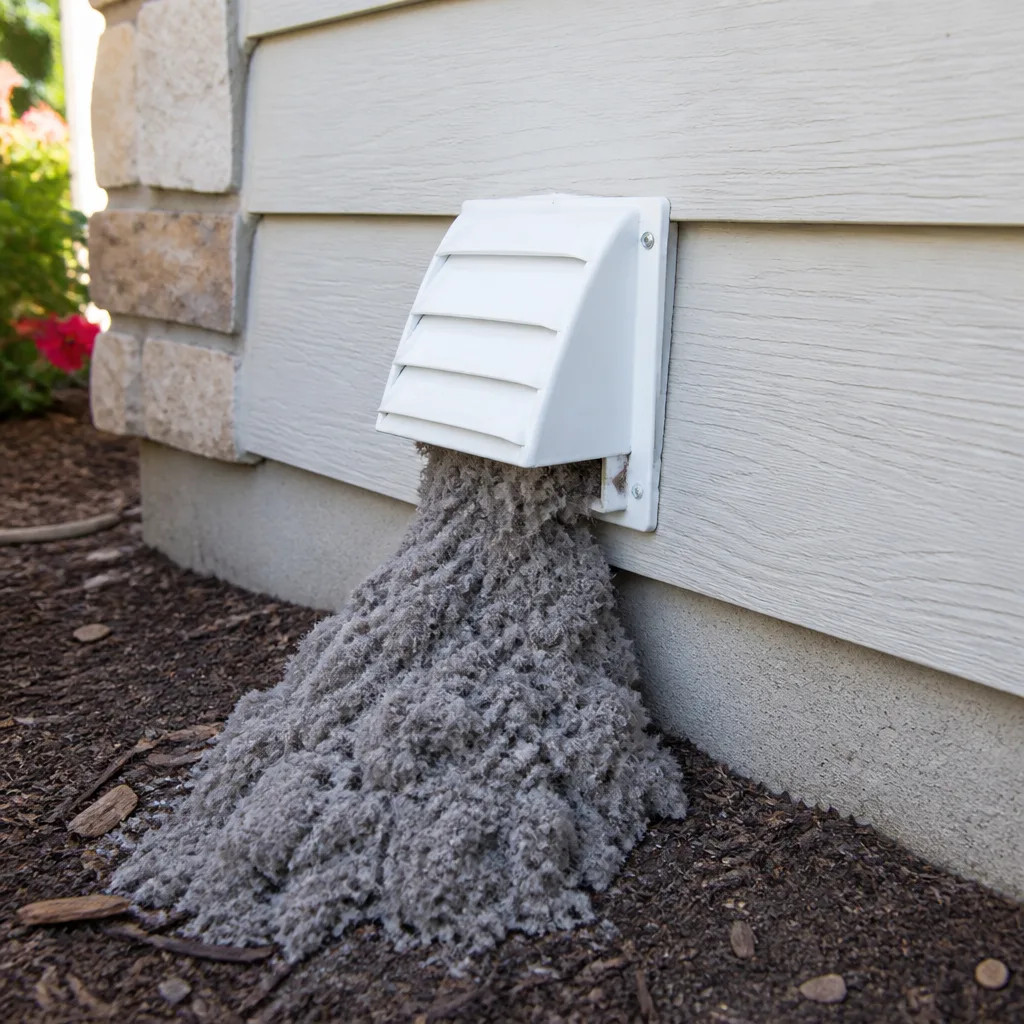 Dryer vent cleaning
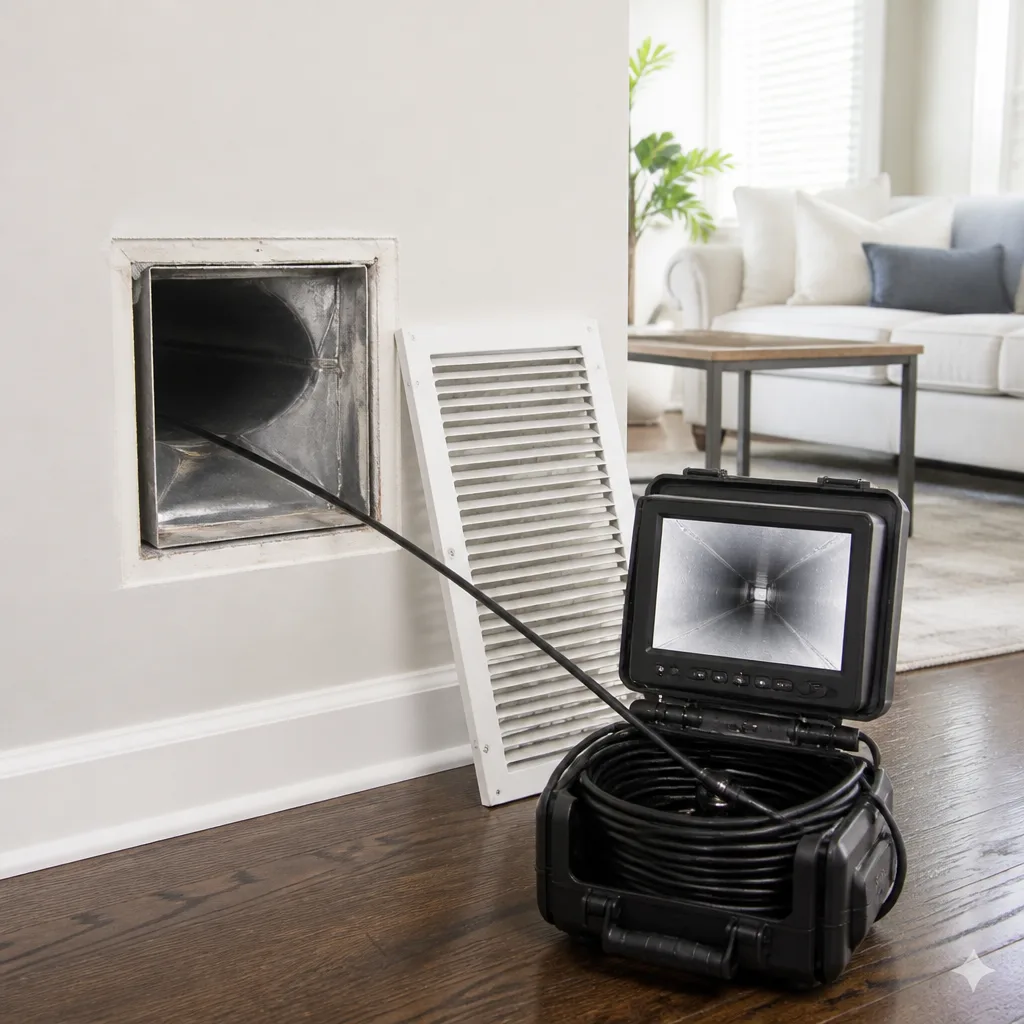 Camera inspection
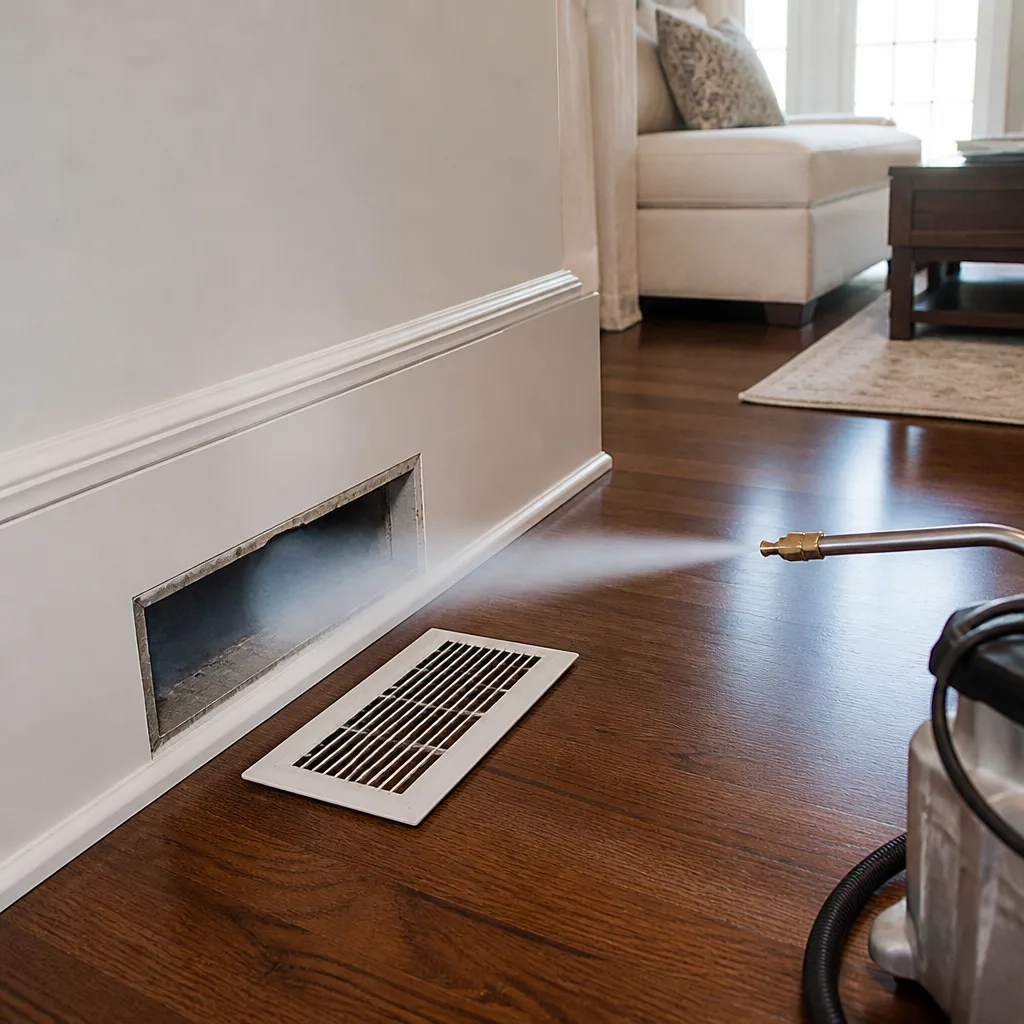 Sanitizing & deodorizing
Whole-system duct and dryer vent check with before-and-after photos - you see exactly what came out of your vents
That "$99 whole-house special" is a bait ad - the real number appears once they are in your hallway, or the "clean" is a shop-vac at the register. We photograph the inside of your ducts before and after instead.
Air Duct Cleaning Maintenance Schedule: What to Do and When
Almost every duct cleaning website in Chesapeake repeats the same line: clean your ducts every three to five years. That number was never really a schedule. The EPA’s actual guidance is to clean ducts “as needed,” a phrase written to discourage unnecessary work, not to set a calendar. The industry took that caveat and turned it into a marketing interval, then applied it to every home equally. It doesn’t fit a house with three dogs the same way it fits a vacation property. It doesn’t fit fiberglass flex duct the way it fits sealed metal. This guide builds a maintenance schedule around what actually drives contamination in your home, with Chesapeake’s humid late summers as a real factor, and shows you how to put the whole thing on autopilot.
Quick Answer
There’s no single correct interval for air duct cleaning. Most homes in Chesapeake fall into a two-to-five-year range, and the right number depends on pets, smokers, recent renovation, duct material, crawlspace exposure, and how well the return side is filtered. Homes with several risk factors may need cleaning every two to three years, while a clean, well-filtered home with no pets can stretch well past five. The schedule below walks you through rating your own home and setting triggers that keep duct condition on your radar without memorization.
Styles & brands we work with
- Whole-home duct cleaning
- Dryer vent cleaning
- Camera inspection
- Sanitizing & deodorizing
Table of Contents
- Why a Universal Cleaning Interval Doesn’t Exist
- The Risk-Factor Matrix: How to Rate Your Home
- What You Should Do Between Professional Cleanings
- Chesapeake’s Humidity Seasons and the Inspection Window
- Maintenance Cleaning vs. Remediation Cleaning
- How to Set Calendar Triggers Around Filter Changes
- Duct Material and Age: Fiberglass Flex vs. Sealed Metal
- The Dryer Vent Schedule Is Separate
Why a Universal Cleaning Interval Doesn’t Exist
The “every three to five years” rule assumes all ducts get dirty at the same rate. They don’t. Contamination builds from several directions at once: shedding skin cells and hair from occupants, pet dander, dust pulled in through returns, construction debris from renovation, condensation that never fully dries, and the loose fibers that fiberglass flex duct sheds as it ages. A house with two adults and no pets on a sealed metal system is a different equation than a house with three dogs, a smoker, and twenty-year-old flex duct running through a damp crawlspace. Same square footage, wildly different contamination rate.
The cleaning industry’s habit of quoting one interval to every caller is part of why so many homeowners end up paying for a cleaning they didn’t need, or skipping one they did. If your ducts are genuinely clean, a professional should tell you so rather than sell you a cleaning anyway. If your ducts have visible debris, loose fiberglass, or a musty odor coming from the registers, three years is too long to wait. That’s the whole point of a risk-based schedule: it tracks your home, not an average.
When we assess a home, we look at the return plenum, the accessible trunk runs, and the register boots before we quote anything. That quick look tells us whether you’re on a maintenance track or something more involved. You can do a version of the same walkthrough yourself by pulling a few registers and looking inside with a flashlight. What you see there usually predicts the answer.
The Risk-Factor Matrix: How to Rate Your Home
Rate your home against the factors below. Each one either shortens or extends the time between cleanings. Add up the direction of your factors and you’ll land close to your real interval.
Factors that shorten the interval
- Pets that shed. Two or more heavy-shedding dogs or cats roughly cut the interval by half. Dander and hair load the return side fast.
- Smoking indoors. Tobacco smoke leaves a sticky film inside duct walls that traps dust and doesn’t come off with a light cleaning.
- Recent renovation. Drywall dust, sawdust, and insulation fibers migrate into the system through open returns during any major remodel. Plan a cleaning right after the work is finished.
- Older fiberglass flex duct. Flex duct with a degrading inner liner sheds fibers into the airstream and often needs cleaning sooner than metal.
- Crawlspace or unconditioned space runs. Ducts running through a vented crawlspace are exposed to ground moisture and outside air, which can encourage biological growth on duct interiors.
- Allergy or asthma in the household. This is a reason to stay on the shorter end of your interval even if everything else is clean.
Factors that extend the interval
- Sealed metal ductwork in conditioned space. The most forgiving setup. Dust still accumulates, but slowly.
- MERV-rated filtration on the return. Good filtration catches a lot before it reaches the duct interior.
- No pets, no smokers, no recent renovation. A clean, stable home.
- Regular filter changes. The single cheapest thing you can do to extend time between professional cleanings.
Most Chesapeake homes land in the middle: maybe one or two shortening factors and a couple of extending ones. If your count tips toward shortening, plan on a shorter interval. If it tips toward extending, you can stretch. That’s how you replace the arbitrary three-to-five-year rule with something your house actually earned. The full Duct Cleaning Chesapeake service covers the assessment as part of the estimate.
What You Should Do Between Professional Cleanings
Professional cleaning handles what’s inside the ducts. Between visits, a handful of simple homeowner tasks keep contamination in check and give you early warning if something changes.
- Change or clean your air filter on schedule. Follow the manufacturer’s interval rather than a fixed guess. A clogged filter bypasses dust around it, straight into the system. This single habit does more than any other for keeping ducts cleaner longer.
- Vacuum the supply and return registers every few months. The face grilles catch dust and hair first. A brush attachment on a household vacuum keeps them clear and gives you a visual checkpoint.
- Pull a return register twice a year and look inside with a flashlight. You’re checking for visible dust buildup on the duct walls, loose fiberglass, or a musty smell. If any of that shows up, it’s time to call.
- Wipe down the register boots when you clean the room. The boot is the short transition between the duct and the room. Dust there often signals dust deeper in.
- Note any new smells after turning the system on for the season. A musty or dusty smell at first startup is common. A smell that lingers is a signal to inspect.
- Keep the return side clear of stored items. Blocking a return starves the system and can pull unfiltered air in through gaps.
None of these replace a professional cleaning. They extend the useful life between cleanings and give you the eyes-on evidence to know when the next one is due. If you own a Honeywell or Aprilaire filtration system, keep the media or filter elements changed on interval too. Those systems catch more than a basic filter and need their own schedule. If we’ve installed or serviced one for you, we’ll tell you the right interval for your model.
Chesapeake’s Humidity Seasons and the Inspection Window
Chesapeake’s summers are humid, and the weeks from late July through early September are the ones that matter most for duct condition. Those are the months when outside humidity stays high, crawlspaces stay damp, and the cooling coil inside your air handler runs hard enough to condense water. If any part of the system isn’t draining well or a duct run in unconditioned space loses its insulation, that moisture can feed biological growth inside ductwork. Once mold establishes itself on a duct wall, it’s no longer a maintenance cleaning. It becomes a job that calls for containment and filtration equipment, not a standard vacuum pass.
The practical takeaway: inspect your ducts in late summer, not in the middle of winter. You want to catch the first signs of growth while they’re small. Look and smell around the air handler and the accessible trunk runs during the humid stretch. If you notice a musty odor, discoloration on duct insulation, or condensation around the indoor coil, call for a professional inspection before the weather cools. Catching it in September is much less involved than finding it in February when a smell has been circulating all winter.
This is where proper equipment separates a real cleaning from a superficial one. Our air duct cleaning uses Rotobrush rotary-brush systems to agitate the duct walls and Nikro negative-air machines to pull dislodged debris out of the airstream while it’s worked. We also deploy Abatement Technologies air-filtration units on jobs where containment matters, which keeps particulates from recirculating through the home. That’s the standard you want if you’re inspecting in the Chesapeake humidity window and the answer turns out to be more than a routine clean.
Maintenance Cleaning vs. Remediation Cleaning
These are two different services, and confusing them is one of the most common reasons homes get under-serviced. A maintenance cleaning is routine: no growth, no visible debris buildup beyond ordinary dust, just a system that’s due. A remediation cleaning responds to a specific condition, usually biological growth, water intrusion, or contamination from a renovation or event. Remediation needs containment and filtration protocols so that dislodged material doesn’t get blown into the rest of the house.
How to tell which one you need
- Maintenance cleaning: visible but ordinary dust, a system that hasn’t been cleaned in years, no smell, no discoloration, no water issues.
- Remediation cleaning: visible biological growth on a duct wall, persistent musty odor from registers, water stains or condensation in the system, or documented contamination from a renovation, flood, or pest issue.
If you get a quote for a maintenance clean when your home actually needs remediation, the “cleaned” ducts will still be contaminated and the problem returns. If you get quoted a remediation job when you only need maintenance, you overpaid. A company that inspects first and quotes after is doing it right. Our technicians have up to 11 years of experience reading these conditions and will tell you which service your home actually needs. That’s part of why we run an assessment before we set any figure in writing.
A home that’s genuinely crossed into remediation territory isn’t a home that should be on a maintenance schedule at all until the underlying condition is resolved. If water intrusion is the driver, the water problem has to be addressed first or the growth comes back. We’d rather tell you that up front than sell you a cleaning that won’t hold.
How to Set Calendar Triggers Around Filter Changes
The easiest way to keep duct condition on your radar is to tie it to something you already do. Filter changes are the natural anchor because they’re regular and they involve opening the return.
- Put filter changes on a recurring calendar reminder. Whatever interval your filter manufacturer specifies, set the same recurring reminder.
- Every fourth filter change, add a visual duct check. Pull a return register, shine a flashlight inside, and note what you see. Every fourth change means you’re checking the ducts a few times a year in most homes.
- After any renovation, add a one-off cleaning reminder to the calendar for two weeks post-completion. That gives you time to do a light vacuuming of the floor but catches construction debris before it settles deep into the system.
- At the start of every humid season in Chesapeake, add a late-summer inspection reminder. When the calendar flips to August, that’s your cue to check for musty smells and condensation around the air handler.
- When you move into a new home, add a duct inspection to the closing punch list. The previous owner’s cleaning history is usually unknown, and a fresh look settles the baseline.
Trigger-based scheduling works because it doesn’t ask you to remember anything you weren’t already doing. The filter reminder is the hook, and the duct check rides along behind it. If you use a Honeywell or Aprilaire whole-home air quality system, those filters are on their own schedule, so put those on the calendar too. Two reminders, both tied to something concrete, keep the whole home system serviced without guesswork.
Duct Material and Age: Fiberglass Flex vs. Sealed Metal
What your ducts are made of changes how often they need attention. Sealed metal ductwork in conditioned space is the most forgiving: it doesn’t shed, it holds up to rotary-brush cleaning, and it doesn’t collect much beyond dust. Fiberglass-lined metal and flex duct are a different story. The inner liner sheds fibers as it ages, and once it starts to break down, cleaning can only do so much before replacement or repair is the better call. That’s where Air Duct Repair comes in. If a visual inspection shows torn flex duct, disconnected joints, or a crushed run behind a cabinet, cleaning alone won’t fix the airflow issue.
The other material-related factor is temperature. Ducts in unconditioned attics or vented crawlspaces swing with the outside weather. In Chesapeake, that means hot, humid summers and cool, humid winters. Condensation on cold metal in a humid space is common, and damp insulation is a real risk. If you see wet insulation, a run of flex duct hanging loose, or a visible tear, that’s a repair signal before it’s a cleaning signal. The right move is to have it looked at and repaired first.
Fiberglass flex duct that’s more than fifteen years old and showing visible shedding usually warrants replacement rather than another cleaning. It’s not a scheduling question at that point. Have the runs inspected and let the condition tell you which way to go.
The Dryer Vent Schedule Is Separate
Dryer vent cleaning is its own maintenance line, and the interval has nothing to do with air ducts. The National Fire Protection Association identifies dryer vents as a leading contributor to residential fires because lint accumulates in the duct, restricts airflow, and overheats. This is a safety item, not a maintenance nicety. Most homes should have the dryer vent cleaned roughly once a year, and more often if the vent run is long, has multiple bends, or serves a household with heavy laundry volume.
The signs to look for: clothes take longer to dry than they used to, the dryer feels hot to the touch, the outside vent flap doesn’t open fully, or you can see lint buildup around the connection point. Any of those is a call-made-now signal. Our dryer vent cleaning is a standalone service, so you can schedule it on its own without bundling it into an air duct job. Treat it on a separate calendar trigger from the duct schedule, and tie it to the season when you tend to do household maintenance. For homes in Chesapeake, the duct schedule and the dryer vent schedule run independently, and neither should be skipped.
Common Mistakes to Avoid
- Treating three to five years as a universal rule. The interval depends on your home’s risk factors, not a number printed on a competitor’s page. Rating your home against the matrix above gives you the real answer.
- Confusing a maintenance cleaning with a remediation cleaning. If growth or water damage is present, a routine clean won’t resolve it. Doing the wrong one leaves the problem in place.
- Skipping the filter change to “save” the cleaning. This works in reverse. A clogged filter lets dust bypass into the ducts and shortens the interval.
- Waiting until winter to inspect. Chesapeake’s humid stretch is late summer. Inspections in February find what could have been caught in September.
- Assuming fiberglass flex duct can always just be cleaned. Once the liner is shedding or torn, cleaning won’t restore it. Repair or replacement is the right call.
- Ignoring the dryer vent. The dry vent is a fire-safety item on a one-year track, not a maintenance add-on. Missing it puts the household at real risk.
- Not requesting before-and-after photos. You bought a service that happens inside sealed ductwork. Ask for photos of your own system before the work starts and after it’s complete.
See the difference
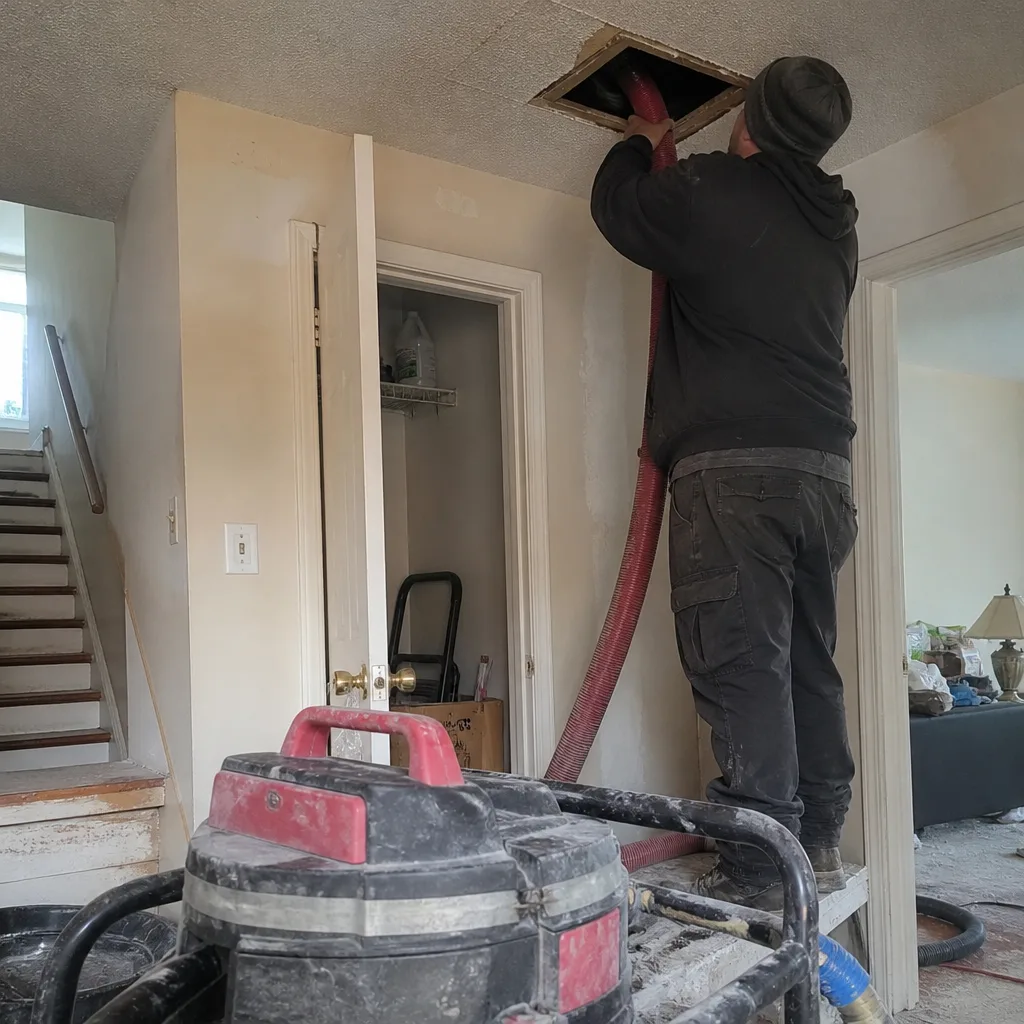 Before
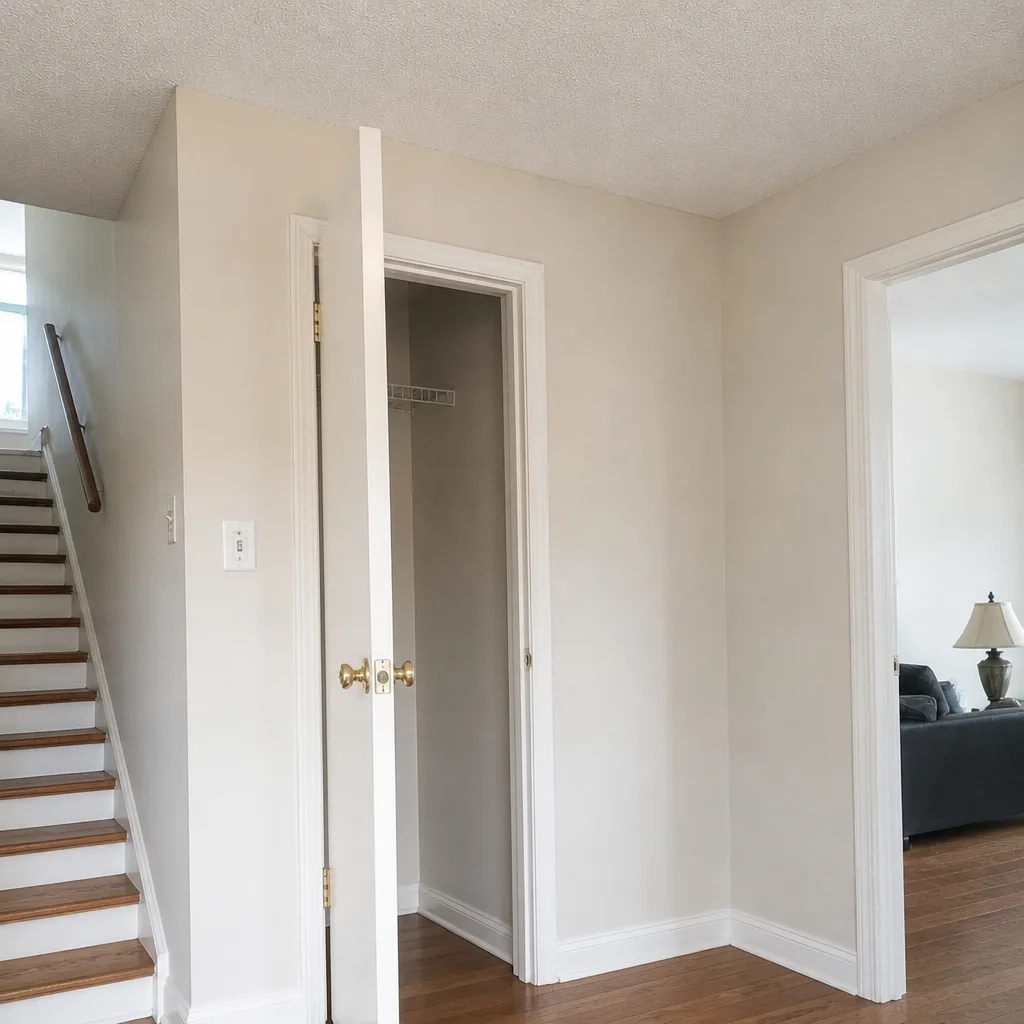 After
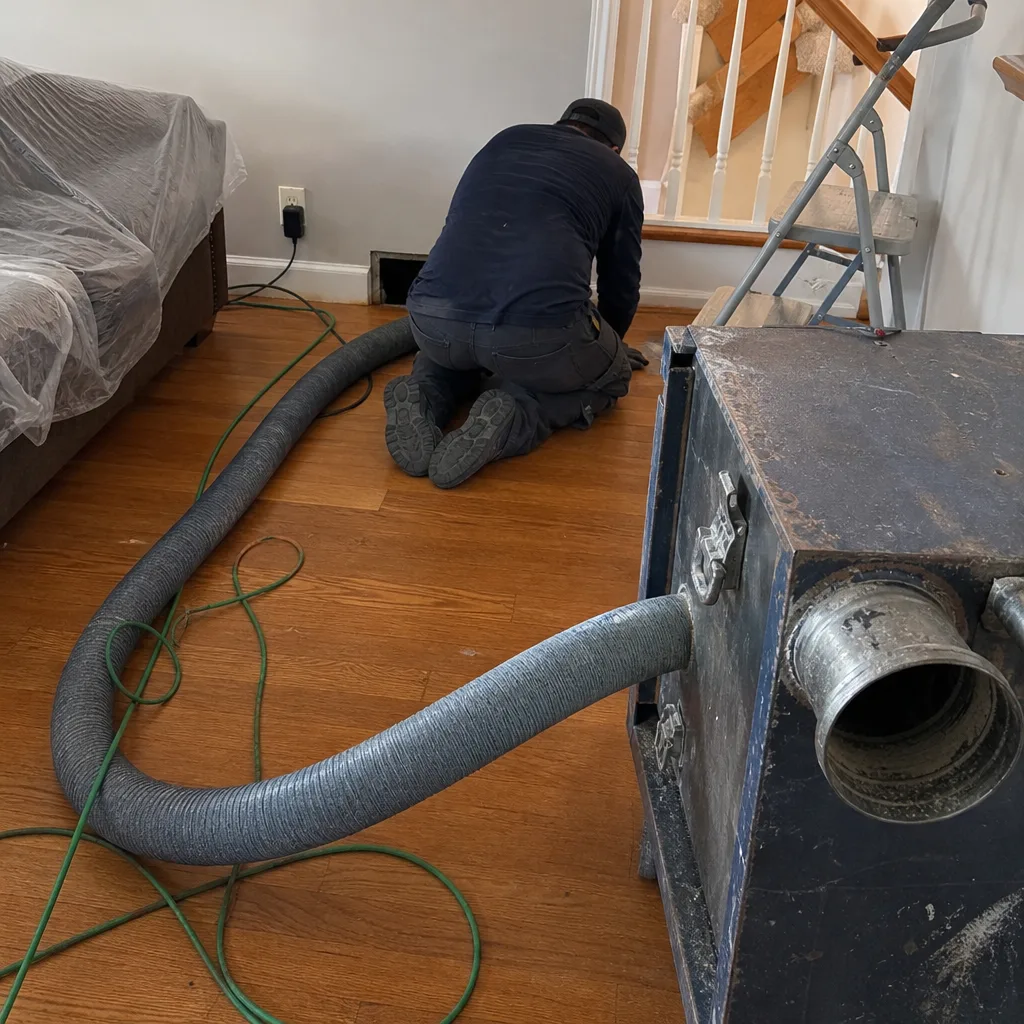 Before
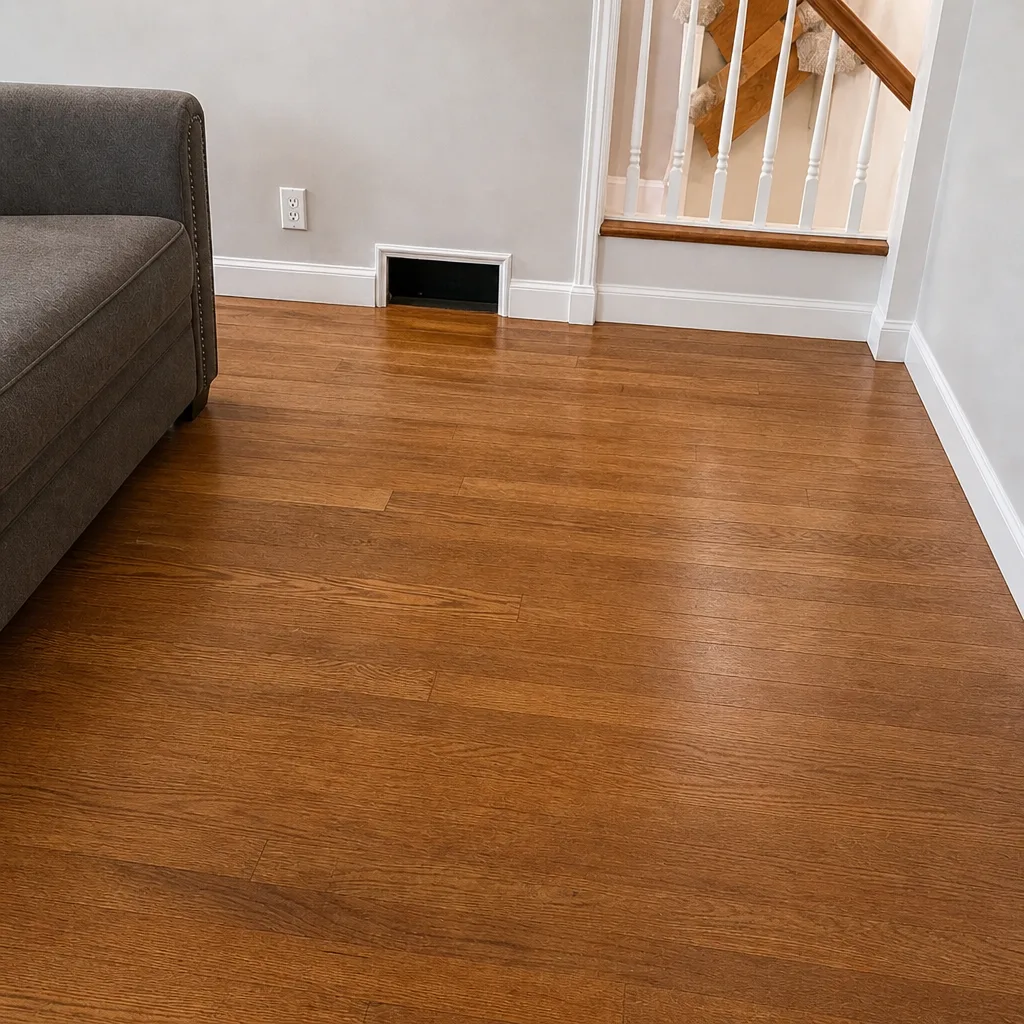 After
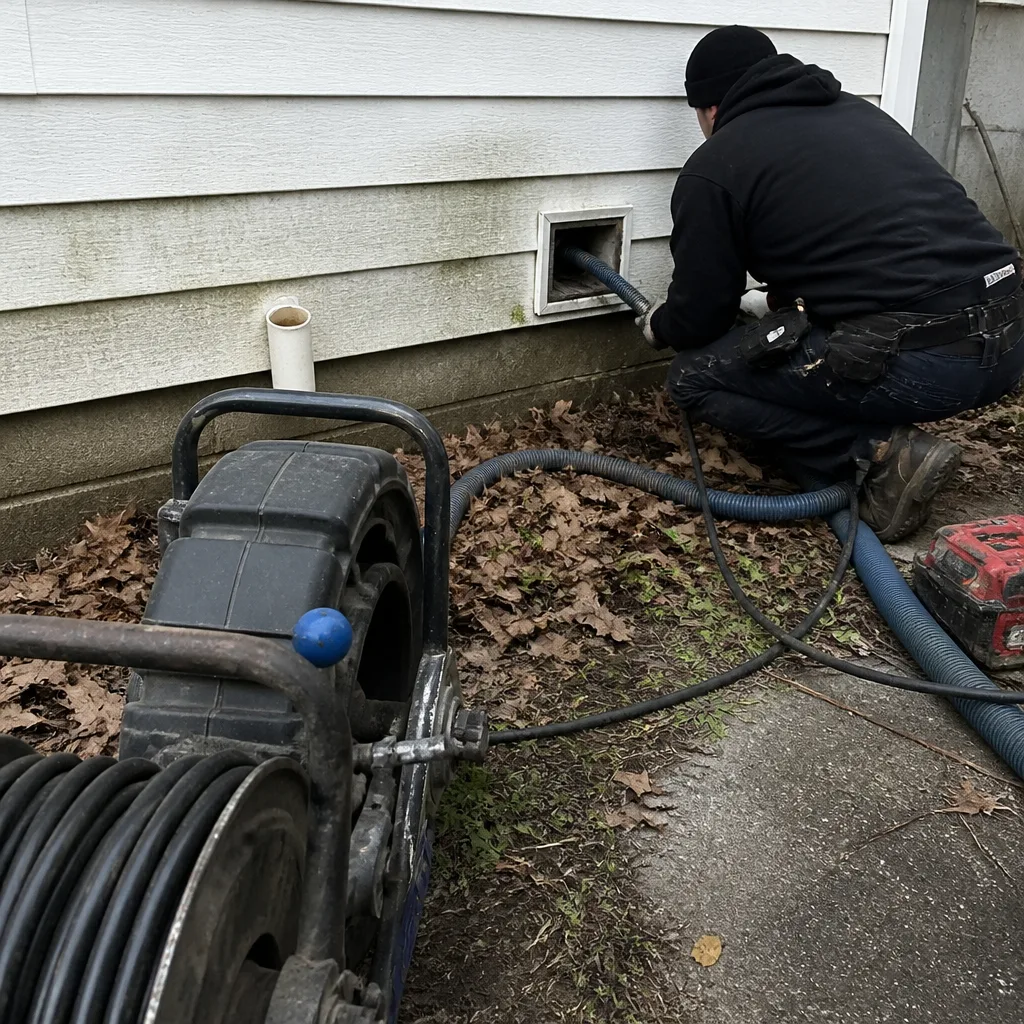 Before
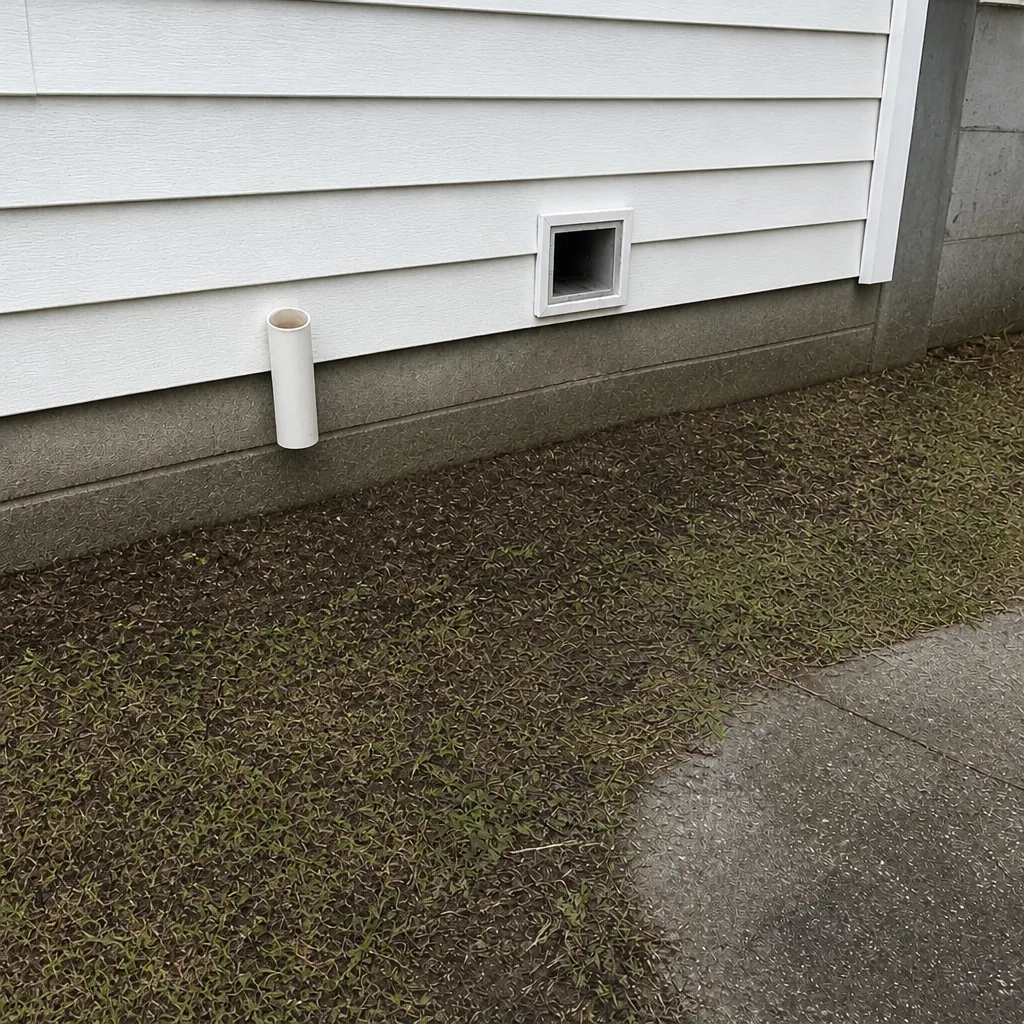 After
When to Call a Professional
Call when the visual check turns up visible debris on the duct walls, a persistent musty odor from the registers, or any sign of biological growth. Call when you’ve just finished a renovation, moved into a home with unknown cleaning history, or when someone in the home has allergy or asthma symptoms that seem to track with the air system. Call for dryer vent cleaning if clothes are running slow, the outside flap won’t open fully, or it’s been close to a year. Duct Cleaning Chesapeake offers free estimates in Chesapeake: you can schedule a walkthrough by calling (855) 695-8132, and we’ll inspect before we quote. We answer 24/7. Fast dispatch from 7am to 7pm, Sunday through Friday. One flat price per system, agreed before work starts.
Frequently Asked Questions
Most Chesapeake homes fall into a two-to-five-year range, with the exact interval set by your risk factors. Homes with multiple pets, indoor smoking, recent renovation, or older fiberglass flex duct lean toward two to three years; clean, well-filtered homes with no pets can stretch well past five. Call (855) 695-8132 for a free estimate and an inspection that settles the question for your specific home.
A maintenance cleaning removes ordinary dust and debris from a system with no contamination beyond normal accumulation. A remediation cleaning addresses a specific condition like biological growth, water intrusion, or documented contamination, and requires containment and filtration equipment so dislodged material doesn’t recirculate. Getting the wrong one leaves the problem in place, so a proper inspection comes first.
Pull a return register and look inside with a flashlight. Visible debris on the duct walls, loose fiberglass, a musty odor, or discoloration from moisture all point to a cleaning being due. If you see none of that and the system has been filtered well, you may not need a cleaning yet. Call (855) 695-8132 for a free estimate and we’ll tell you honestly what your ducts show.
Late July through early September is when Chesapeake’s humidity stays high and the cooling coil runs hard enough to condense water. Any moisture on duct surfaces becomes a growth risk that’s much easier to catch while it’s small. Inspect around the air handler and accessible trunk runs in late summer, and call for a professional look if you smell anything musty. Call (855) 695-8132 to schedule.
Roughly once a year for most homes, and more often if the vent run is long, has multiple bends, or serves a heavy laundry household. The NFPA identifies lint buildup in dryer vents as a real residential fire hazard, so this schedule matters. Call (855) 695-8132 if clothes are drying slowly or the outside flap isn’t opening fully. We answer 24/7, with fast dispatch from 7am to 7pm.
Yes. Tie your duct inspection to your filter change schedule: every fourth filter change, pull a return and check the duct interior. Add a late-summer inspection reminder for the Chesapeake humid stretch, and a one-off cleaning check after any renovation. Call (855) 695-8132 for a free estimate and we’ll confirm the right interval for your home.
The Bottom Line
Three-to-five years is a guess, not a schedule. Your real interval comes from rating your home against the risk factors: pets, indoor smoking, recent renovation, duct material, crawlspace exposure, allergy concerns, and filtration quality. Add homeowner tasks between professional cleanings, inspect during Chesapeake’s late-summer humid stretch, keep the dryer vent on its own annual track, and set calendar triggers tied to filter changes. That combination is what a real maintenance schedule looks like. If any of it sounds uncertain for your home, the fastest way to settle it is an inspection and a written estimate.
Contact
Ready to know where your ducts actually stand? Duct Cleaning Chesapeake offers free estimates across Chesapeake and surrounding areas. We inspect first, use professional equipment from Rotobrush, Nikro, and Abatement Technologies, and set one flat price per system before work starts. Call (855) 695-8132. We answer 24/7. Fast dispatch from 7am to 7pm, Sunday through Friday.
Written by the team at Duct Cleaning Chesapeake.