
Last updated November 16, 2026
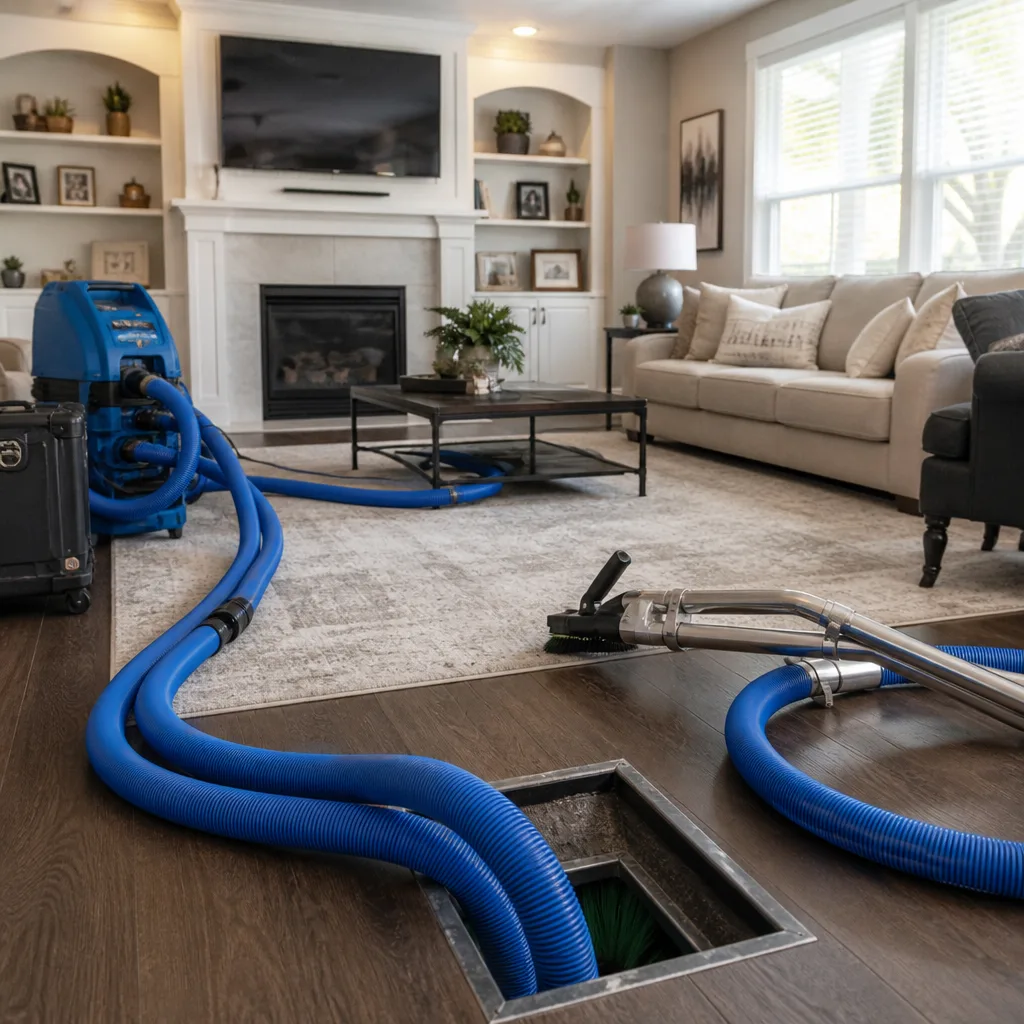 Whole-home duct cleaning
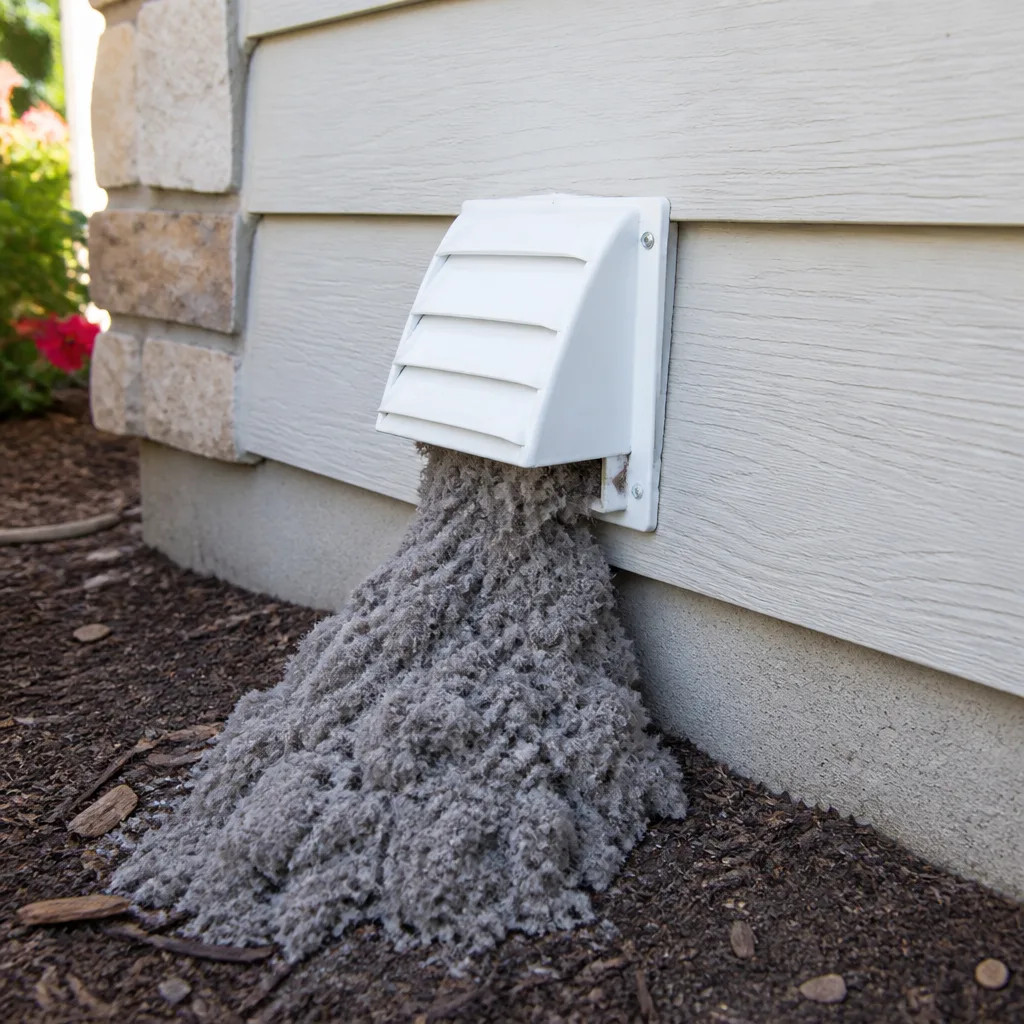 Dryer vent cleaning
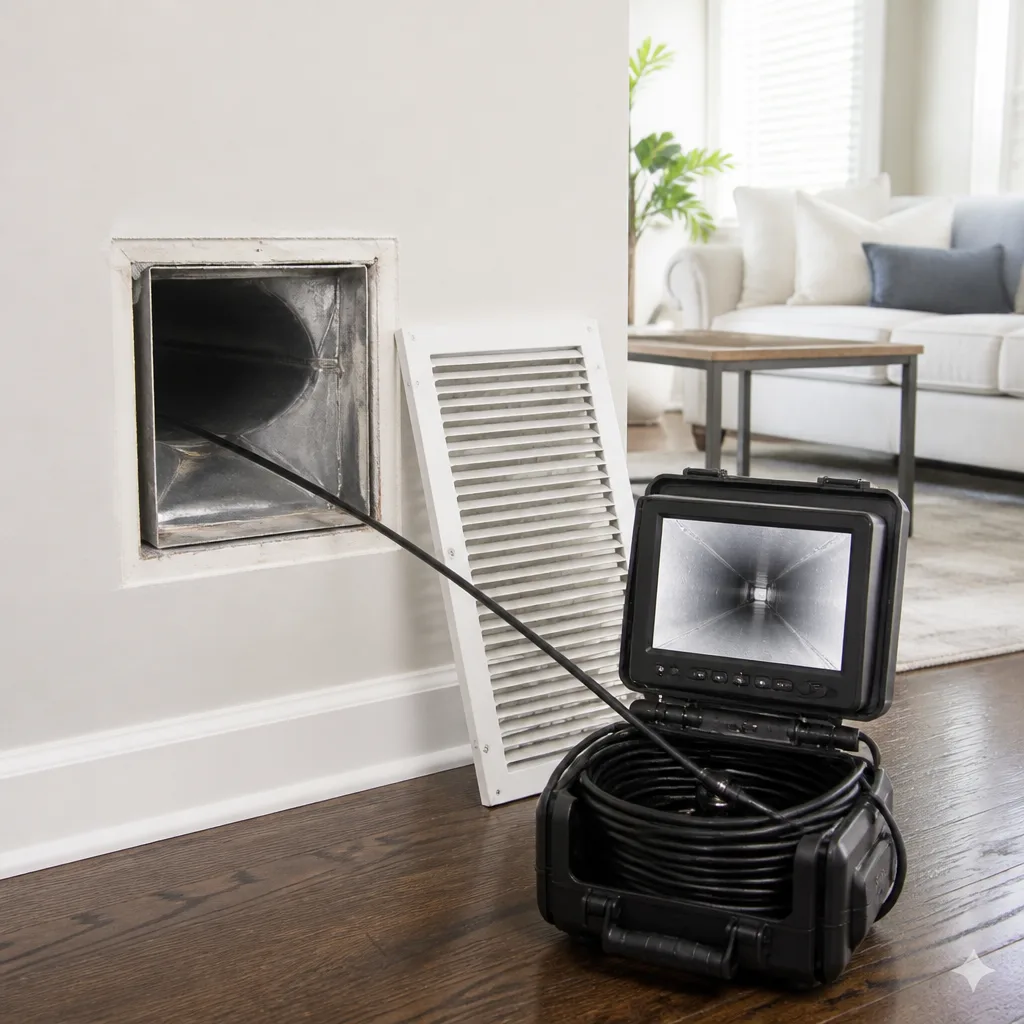 Camera inspection
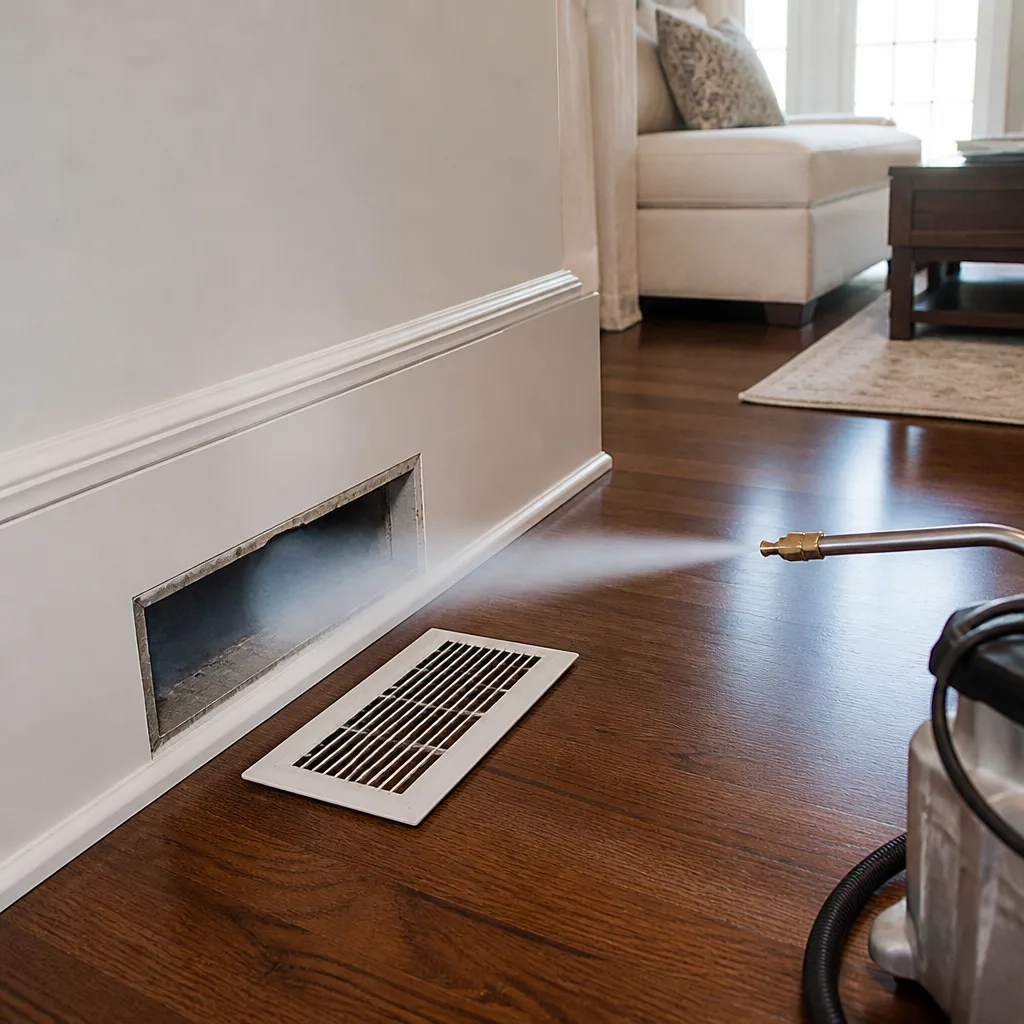 Sanitizing & deodorizing
Whole-system duct and dryer vent check with before-and-after photos - you see exactly what came out of your vents
That "$99 whole-house special" is a bait ad - the real number appears once they are in your hallway, or the "clean" is a shop-vac at the register. We photograph the inside of your ducts before and after instead.
Air Duct Cleaning Maintenance Checklist for Chesapeake Homeowners
Most homeowners treat duct cleaning as a one-time project. They book it, they cross it off, and they assume the system stays clean for years. That’s the wrong mental model. Duct cleaning is a maintenance interval with a moving target, and the interval depends on your specific house, not a national average. Chesapeake is a humid, pollen-heavy, older-housing town where crawl spaces are common and the spring pollen load is heavy. A home with two dogs, a crawl space, and a mature oak canopy is on a completely different schedule than a sealed townhouse with no pets. This guide shows you how to build your own maintenance matrix, what to check between cleanings, and how to log it all so the next buyer or adjuster has proof.
Quick Answer
Most Chesapeake homes need professional duct cleaning every 3 to 5 years, but that baseline shifts with pets, crawl space moisture, renovation activity, occupancy, and whether anyone in the home smokes. Homes with two or more pets, an unsealed crawl space, or active allergy suffers should be on a shorter 2 to 3 year interval. Between professional cleanings, change filters on schedule, inspect supply registers monthly, and keep a written log of what you find.
Styles & brands we work with
- Whole-home duct cleaning
- Dryer vent cleaning
- Camera inspection
- Sanitizing & deodorizing
Table of Contents
- Why the Standard 3-5 Year Rule Doesn’t Fit Chesapeake
- Building Your Chesapeake Maintenance Interval Matrix
- Between-Cleaning Tasks That Extend the Interval
- How to Track Duct Condition Without Opening the System
- Chesapeake Triggers That Override Any Calendar
- Your Duct Maintenance Log (Printable Format)
- What You Can Check vs. What Needs a Professional
- Common Mistakes to Avoid
- When to Call a Professional
- Frequently Asked Questions
Why the Standard 3-5 Year Rule Doesn’t Fit Chesapeake
The “every 3 to 5 years” rule you see on national home-maintenance sites was not calibrated for coastal Virginia. It was generated from a general climate average that assumes moderate humidity, a sealed building envelope, and no crawl space. Chesapeake doesn’t fit that profile.
Three factors make the local math different:
- Humidity load. Chesapeake summers run humid for months. That moisture doesn’t stay in the air – it migrates into crawl spaces and duct runs, especially in older homes where the trunk line passes through unconditioned space. Moisture in a duct run becomes a surface for biological growth, and it speeds the rate at which settled dust becomes clumped debris that airflow can’t move on its own.
- Pollen load. The spring pollen season in Hampton Roads is heavy and long. A home that runs the system with a cheap fiberglass filter during April and May is pulling pollen into the return side, and much of that pollen settles in the plenum and trunk line rather than making it to the filter. That’s a yearly deposit on top of the normal dust load.
- Housing stock. A lot of Chesapeake homes were built with flexible duct in the attic or crawl space, and flexible duct has ridges that trap debris. Older rigid metal trunk lines develop loose joints and small leaks that pull in attic or crawl space air – along with the insulation fibers and soil particulate that ride with it.
Put those three together and a Chesapeake home with a crawl space, two pets, and a mature tree canopy is effectively on a 2 to 3 year cycle, not a 5 year cycle. A newer sealed home near Great Bridge with no pets and a good filter may legitimately go 5 years. The point of the matrix in the next section is to place your specific home on that spectrum rather than guessing.
We’ve seen this play out in the field. Two homes of the same square footage, five miles apart, can be on completely different intervals. The difference is almost always the crawl space and the pets.
Building Your Chesapeake Maintenance Interval Matrix
Here’s the practical way to set your own cleaning interval. Start with the 3 to 5 year baseline, then adjust down for each load factor that applies to your home. Each factor on the list below typically pulls the interval shorter by roughly a year.
Load factors to score
- Pets. One pet: subtract about a year from the top of the range. Two or more pets: plan on 2 to 3 years. Pet dander and hair are sticky and clump, which makes them harder for airflow to clear.
- Smokers in the home. Smoking deposits a film on duct surfaces that captures other particulate. This is one of the strongest load factors, and it’s the one most often ignored. It pushes many homes to a 2 year cycle.
- Crawl space moisture. If your ducts run through a crawl space that shows damp soil, efflorescence, or standing water after heavy rain, drop the interval by a year and consider pairing the cleaning with an inspection of crawl space ventilation and vapor barrier.
- Renovation activity. Any renovation – not just a full gut – throws drywall dust, sawdust, and insulation fibers into the air. Drywall dust is fine enough to bypass most standard filters and coat the inside of the return trunk. Treat a finished renovation as a reset event.
- Occupancy. More people means more skin cells, more laundry lint, and more cooking grease vapor. A family of five generates meaningfully more load than a retired couple in the same house.
- Allergy or asthma in the household. This is a quality-of-life factor, not just a cleanliness one. Homes with a diagnosed allergy suffer typically land on a 2 to 3 year plan regardless of the other scores.
Reading your score
Add up the factors that apply. Zero or one factor: stay near 5 years. Two or three: plan on 3 to 4 years. Four or more: move to a 2 to 3 year schedule and inspect more frequently between cleanings. This isn’t a precise formula; it’s a way to stop defaulting to the national average when your house doesn’t match it.
If you’d rather have us walk through the load factors with you in person, that’s part of what a free estimate covers. Book one through Duct Cleaning Chesapeake and we’ll map the interval to your actual house.
Between-Cleaning Tasks That Extend the Interval
The interval between professional cleanings isn’t fixed. What you do in between materially affects how long the ducts stay clean, and a few low-cost habits can push your next cleaning out by a year or more.
- Change your filter on a schedule that matches your load. A standard 1-inch fiberglass filter in a Chesapeake home with pets is often overdue after 30 days in summer. A pleated filter lasts longer, but not indefinitely – check it monthly, replace it before it’s grey and matted, and write the change date on the filter frame so you don’t guess later.
- Inspect supply registers monthly. Pull the grille (most are held by two screws) and look at the duct throat behind it. Visible dust streaks, dark spotting, or a film you can wipe off with a dry rag means the duct interior is loading up. Keeping a register clean with a vacuum brush picks up what settles at the throat before it migrates deeper.
- Clean return grilles on the same monthly schedule. Returns pull more volume than supplies, so they load faster. A quick vacuum of the grille face and the duct throat behind it takes a minute and keeps the return run from becoming a dust reservoir.
- Check the outdoor unit and air handler filter slot. If your system has a filter slot at the air handler rather than at the return grilles, make sure the filter is seated squarely and not bypassing at the edges. A filter that doesn’t seal pulls unfiltered air around it.
- Keep the return plenum clear of clutter. Boxes and stored items stacked against return grilles cut airflow and raise the velocity at the open edges, which pulls more dust through any gap in the grille seal.
- Run the fan on low continuous during pollen season. Continuous circulation with a good filter captures more airborne particulate before it settles. Just remember you’re trading filter life for cleaner ducts during that window – check the filter more often.
None of these replace a professional cleaning. They extend the interval and, more importantly, they let you catch a problem early. A house that’s pulling attic air through a leaky trunk line won’t clean up from filter changes alone – that’s a repair, and it’s why we handle air duct cleaning and duct repair as one service rather than two.
How to Track Duct Condition Over Time Without Opening the System
You don’t need to cut into a duct run to know what’s happening inside it. There are five inspection points in a typical Chesapeake home that tell you the story, and all of them are accessible without tools.
The five inspection points
- Supply registers. Look at the grille face and the throat behind it. A light, even dust film is normal. Dark streaks, clumping, or visible growth is not.
- Return grilles. Same check, but more important. Returns carry more air, so they load faster. If the return grille face is grey and matted within a month of cleaning, your load is high.
- Air handler compartment. With the system off, look at the cabinet interior and the blower housing. A coating of dust on the blower wheel or the inside of the cabinet tells you the return side is bypassing its filter or the filter is undersized.
- Crawl space duct runs. In a Chesapeake home with crawl space ducts, look at the exterior of the flexible duct. Sagging, kinked, or disconnected runs are a repair issue and a load issue at the same time – a disconnected run is pulling crawl space air into the living space.
- Attic duct runs. Same check from the attic side. Look for condensation stains on the duct jacket, which signal a moisture problem that needs fixing before the next cleaning makes sense.
Walk these five points monthly in the first year, then quarterly once you know your home’s rhythm. Record what you see in the log (next section). A photo from your phone, dated, is enough – you don’t need special equipment, and you don’t need to open the system to get useful data.
Chesapeake Triggers That Override Any Calendar
Some events reset the clock entirely, regardless of where you are on your interval. If any of these happen, clean – don’t wait for the calendar.
- Post-flood or water intrusion. If a storm, a burst pipe, or a failed sump pump puts water into a crawl space where ducts run, the ducts need cleaning as soon as they’re dry. Moisture plus settled dust is the condition that turns a routine cleaning into a remediation job.
- Post-mold remediation. After remediation in a Chesapeake home, the HVAC system needs cleaning even if the mold was contained to one room. Remediation work disturbs spores, and the return system pulls air from the remediated space. This is one of the cases where a negative-air setup during cleaning matters – we use Abatement Technologies filtration on site to keep dislodged particulate from recirculating while we work.
- Post-renovation. Any renovation that generates drywall dust, sawdust, or insulation fibers. This includes kitchen and bath remodels, attic insulation upgrades, and window replacements. Clean within a month of the punch list being finished.
- Post-pest activity. A rodent or insect infestation in a crawl space or attic means droppings, nesting material, and dead insects have entered any duct run that passes through the space. This is a health issue as well as a cleaning issue, and it’s a case where professional equipment matters – a shop vac is not the right tool.
- New home purchase. You don’t know the previous owner’s maintenance history. A pre-move-in cleaning is the only way to know what you’re breathing.
The point isn’t to create anxiety. It’s that the calendar is a starting point, not a schedule. When one of these events happens, the calendar loses.
Your Duct Maintenance Log (Printable Format)
A written log is one of the highest-value things you can keep as a homeowner. On resale, it’s proof of maintenance. On an insurance claim – water damage, a fire, a mold claim – it’s documentation of the system’s condition before the loss. And for your own planning, it’s how you actually learn your home’s interval instead of guessing.
What to record
Keep a single page per year. Columns for:
- Date of each professional cleaning, and which rooms were serviced.
- Brand of filter, MERV rating, and date installed – and date changed.
- Findings at each of the five inspection points (supply, return, air handler, crawl space, attic), with a photo reference.
- Any repair performed (seal, reconnect, replace a run), date, and by whom.
- Any override event (renovation, flood, pest, mold remediation) with the cleaning date that followed.
- The interval you’re currently on, and when it’s due for review.
How to use it
Bring the log to your next estimate. It makes the conversation faster and more accurate, because we can see the actual load history instead of starting from scratch. It also prevents one of the most common Chesapeake mistakes: cleaning too soon because you can’t remember when you last did it, or waiting too long because you assumed it was recent.
If your log shows the same finding recurring – matted returns every month, or a recurring blower coating – that’s a signal to look at repair, not just cleaning. Our technicians have up to 11 years of experience and know what a Chesapeake system’s history tends to look like. We’re a company that connects homeowners with independent local professionals who do the work, so the estimate you get is rooted in what your log actually shows.
What You Can Check vs. What Needs a Professional
There’s a real split here, and getting it wrong in either direction is costly. Do the checks and the filter changes yourself. Leave the cleaning and repairs to a crew with commercial-grade equipment.
Safe to do yourself
- Filter changes on a written schedule.
- Supply and return grille cleaning.
- Visual inspection of registers, grilles, and the air handler exterior.
- Keeping the return plenum clear of stored items.
- Dated photos of the inspection points.
- Maintaining the log.
Not a DIY job
- Cleaning the inside of duct runs. A shop vac stirs up more than it removes and can’t reach past the first elbow in most runs.
- Cleaning the blower wheel or the air handler cabinet interior. This is where a professional rotary-brush system like a Rotobrush is used instead of hand tools.
- Sealing or reconnecting duct runs in a crawl space or attic. This is a repair, and a bad seal is worse than no seal because it hides the leak.
- Cleaning after mold remediation or pest activity. Containment matters here, and that means negative-air equipment on site during the work, not a handheld vacuum.
- Cleaning a dryer vent. Lint accumulation in a dryer vent is a fire hazard, and the right equipment is a rotary brush sized to the vent run.
If you’re not sure which bucket a job falls into, the estimate call settles it. We look at the system, tell you what’s actually needed, and price it as one flat price per system before any work starts.
Common Mistakes to Avoid
- Cleaning on a fixed calendar with no load factors. A Chesapeake home with pets and a damp crawl space is not on the same interval as a sealed townhouse. If you clean every five years regardless of what’s happening in the house, you’re either wasting money or waiting too long.
- Buying on the lowest quote. Duct cleaning is one of the few home services where the cheapest quote is often the least complete. A very low number usually means a handheld vacuum at the registers and no trunk line cleaning at all. Ask what equipment is used before you compare prices.
- Skipping the return side. Returns carry more air volume than supplies, and many low-cost cleanings only touch the supply registers. If the return grilles and trunk line aren’t cleaned, the system re-contaminates within weeks.
- Cleaning without fixing the leak first. A disconnected crawl space run or a trunk line with failed sealant will pull dirt back into the system as soon as the cleaning ends. Cleaning a leaky system is a temporary fix at best.
- Assuming the air handler is clean because the ducts are. The blower wheel and cabinet interior collect dust independent of the duct runs. If they aren’t cleaned, they re-seed the ducts every time the system runs.
- Ignoring the dryer vent. Lint buildup in a dryer vent is a documented fire hazard and a separate risk from dirty supply ducts. It’s cheap to have cleaned and dangerous to leave alone.
- No written log. Without a record, you can’t tell whether a finding is new or a recurring pattern, and you can’t prove maintenance at resale. A single page per year solves this.
When to Call a Professional
Call when you see dark clumping at the registers, when the return grille mats within a month of cleaning, when anyone in the home has allergy or asthma symptoms that worsen indoors, or when a renovation, flood, pest issue, or mold remediation has overridden your calendar. Call before a move-in if you don’t know the previous owner’s maintenance history, and call whenever your own inspection turns up a crawl space or attic duct run that’s sagging, disconnected, or stained.
Duct Cleaning Chesapeake offers free estimates in Chesapeake – call (855) 695-8132. We answer 24/7. Fast dispatch from 7am to 7pm, Sunday through Friday. We quote one flat price per system, agree it before work starts, and show before-and-after photos of your own ducts so you know exactly what was done. We don’t just clean – we inspect and repair, and we handle dryer vent cleaning as a standalone safety service as well.
Frequently Asked Questions
Most Chesapeake homes need professional cleaning every 3 to 5 years, with homes that have two or more pets, a damp crawl space, an active allergy suffer, or smokers moving to a 2 to 3 year interval. The right interval depends on your specific load factors, not a national average – use the matrix in this guide to score your own home.
Yes. Months of humid summer air migrate into crawl spaces and duct runs, and moisture on a duct surface speeds up the rate at which settled dust clumps into debris that airflow can’t clear. A damp crawl space is one of the strongest signals to shorten your interval in Chesapeake.
Change your filter on a schedule matched to your load, inspect supply registers and return grilles monthly, clean the grille faces and throats with a vacuum brush, and keep the return plenum clear of stored items. These tasks extend the useful interval and help you catch a problem before it becomes a repair.
Low quotes usually mean less work – often no trunk line cleaning, no return side, and simple handheld equipment rather than a rotary-brush system. Ask what equipment will be used and what parts of the system will be cleaned before comparing prices. We quote one flat price per system and show before-and-after photos so there’s no guesswork about what was done.
Yes. Any renovation that generates drywall dust, sawdust, or insulation fibers should be followed by a professional cleaning within about a month of the punch list being finished. Drywall dust is fine enough to bypass standard filters and coat the inside of the return trunk line.
Ask for before-and-after photos of your own ducts and keep them with your maintenance log. A written log also documents the cleaning date for resale or insurance purposes. For a free estimate, call (855) 695-8132 – we answer 24/7, and estimates are free.
The Bottom Line
Duct cleaning is a maintenance interval, not a one-time event, and the interval depends on your Chesapeake home rather than a national average. Score your load factors to set your schedule, do the between-cleaning tasks that extend it, walk the five inspection points monthly, and treat renovation, flood, pest, and mold events as calendar overrides. Keep a written log – it pays back at resale and on any insurance claim. When in doubt, get an estimate from a specialist who uses commercial-grade equipment and quotes one flat price per system. That last point is where we stand apart: we focus exclusively on air duct and ventilation services, we use professional equipment from Rotobrush, Nikro, and Abatement Technologies, and we handle cleaning, repair, and dryer vent work as one call. Call (855) 695-8132. We answer 24/7. Fast dispatch from 7am to 7pm, Sunday through Friday.
If you’re in the area, you can also reach us through Chesapeake for local service questions.
Written by the team at Duct Cleaning Chesapeake.
See the difference
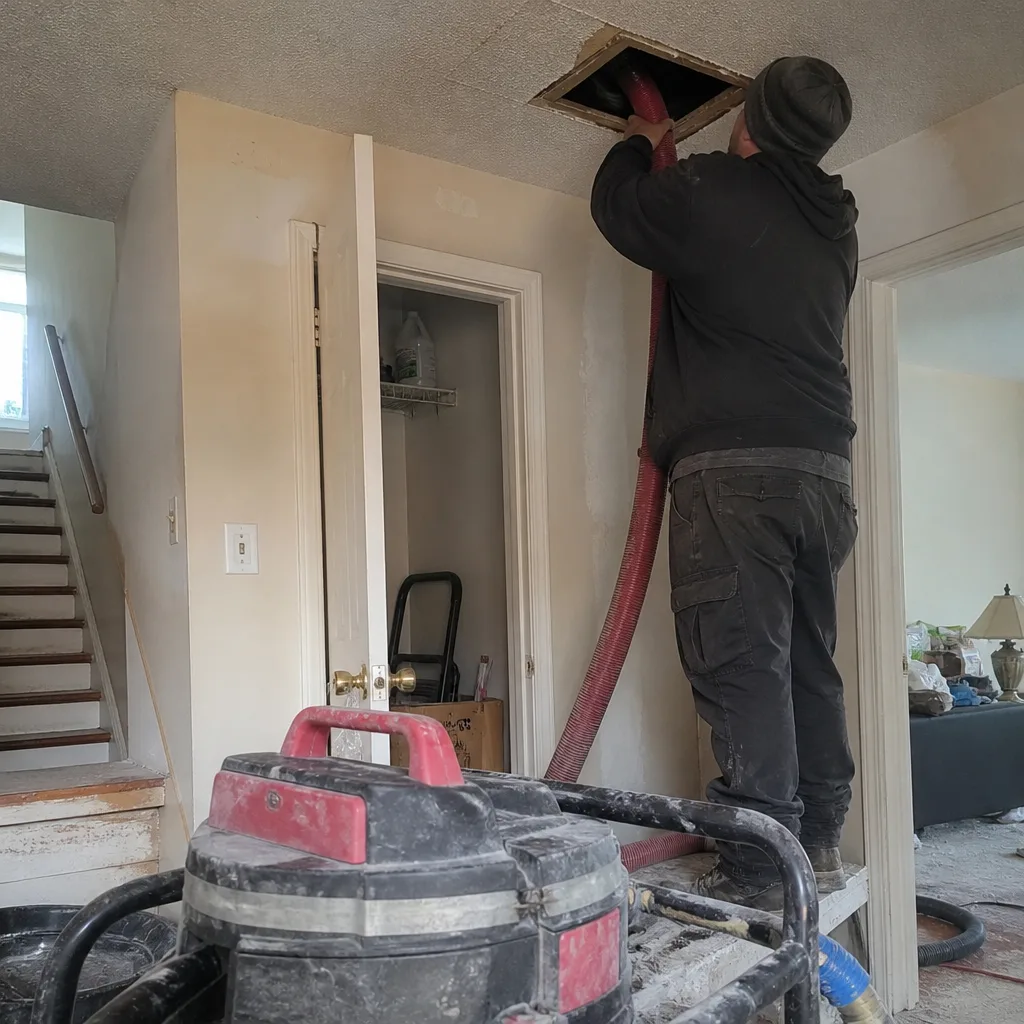 Before
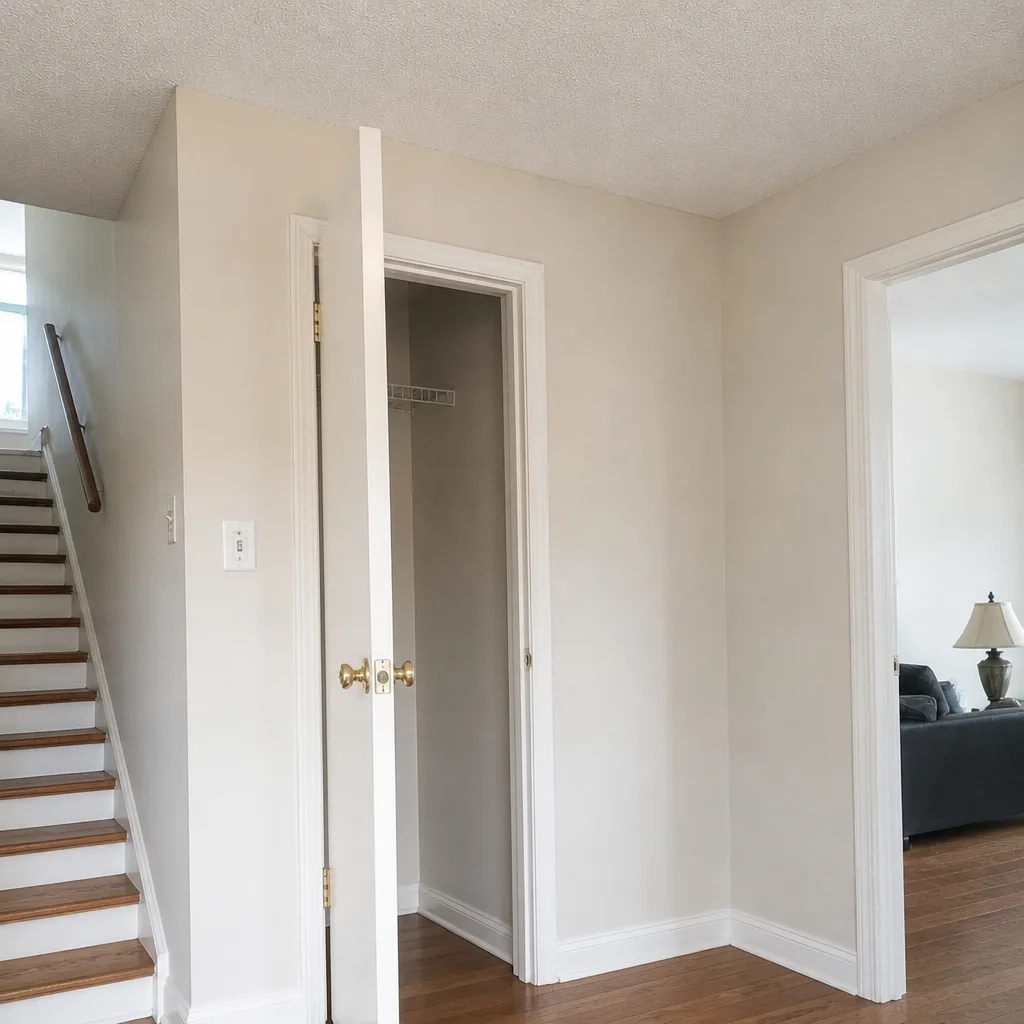 After
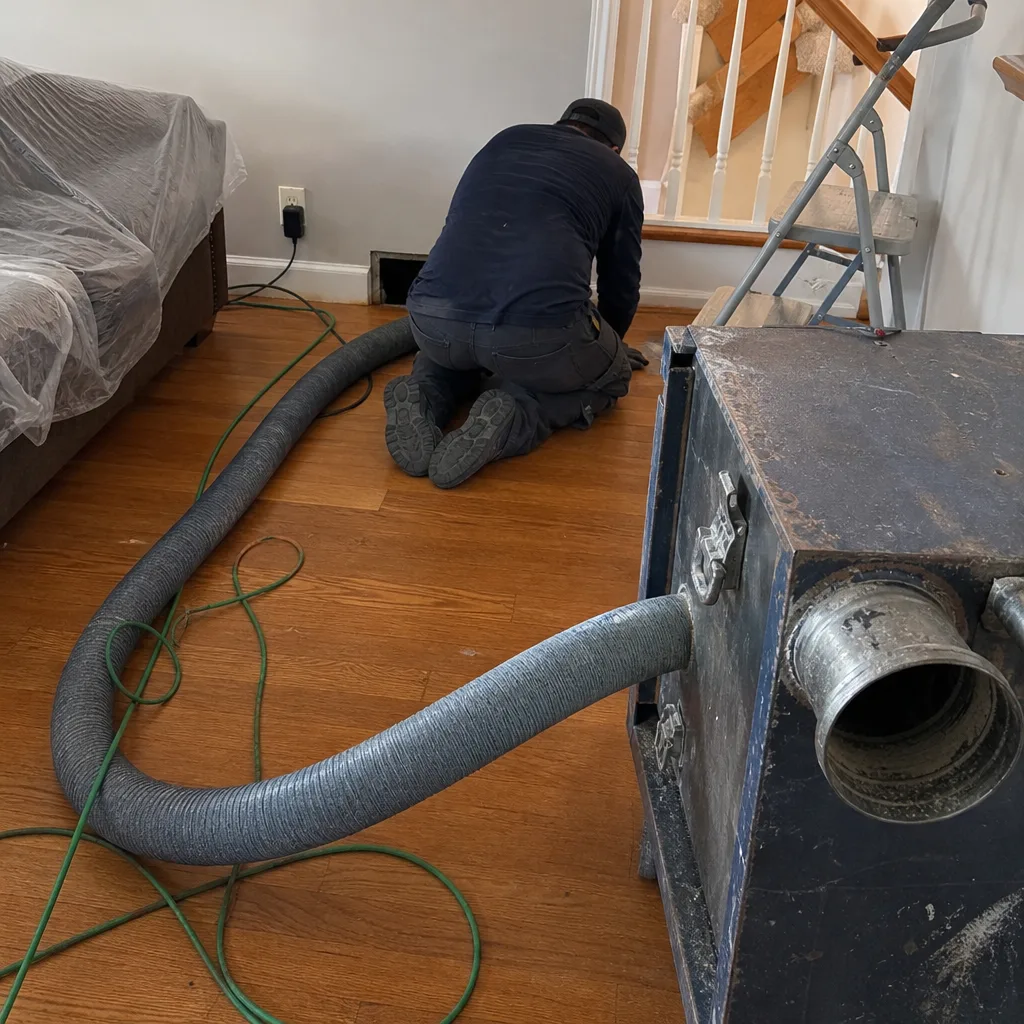 Before
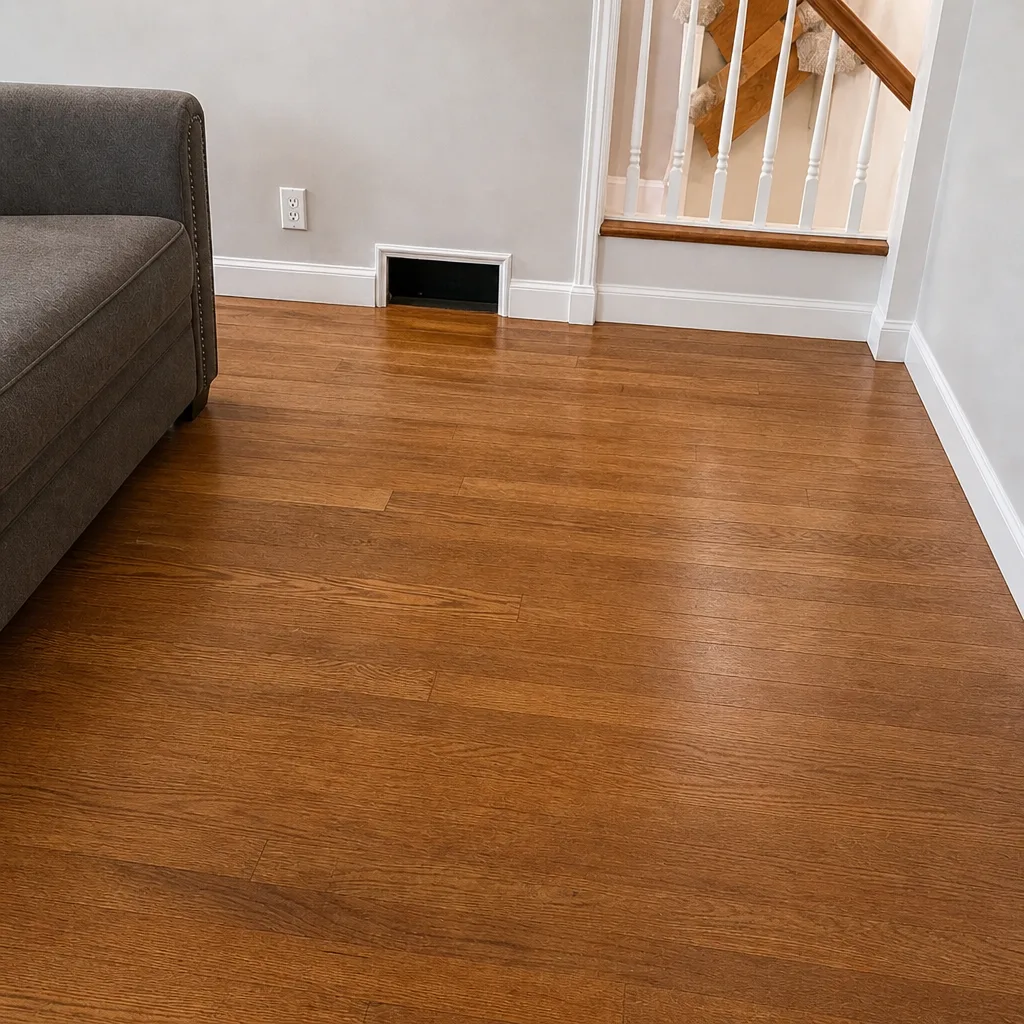 After
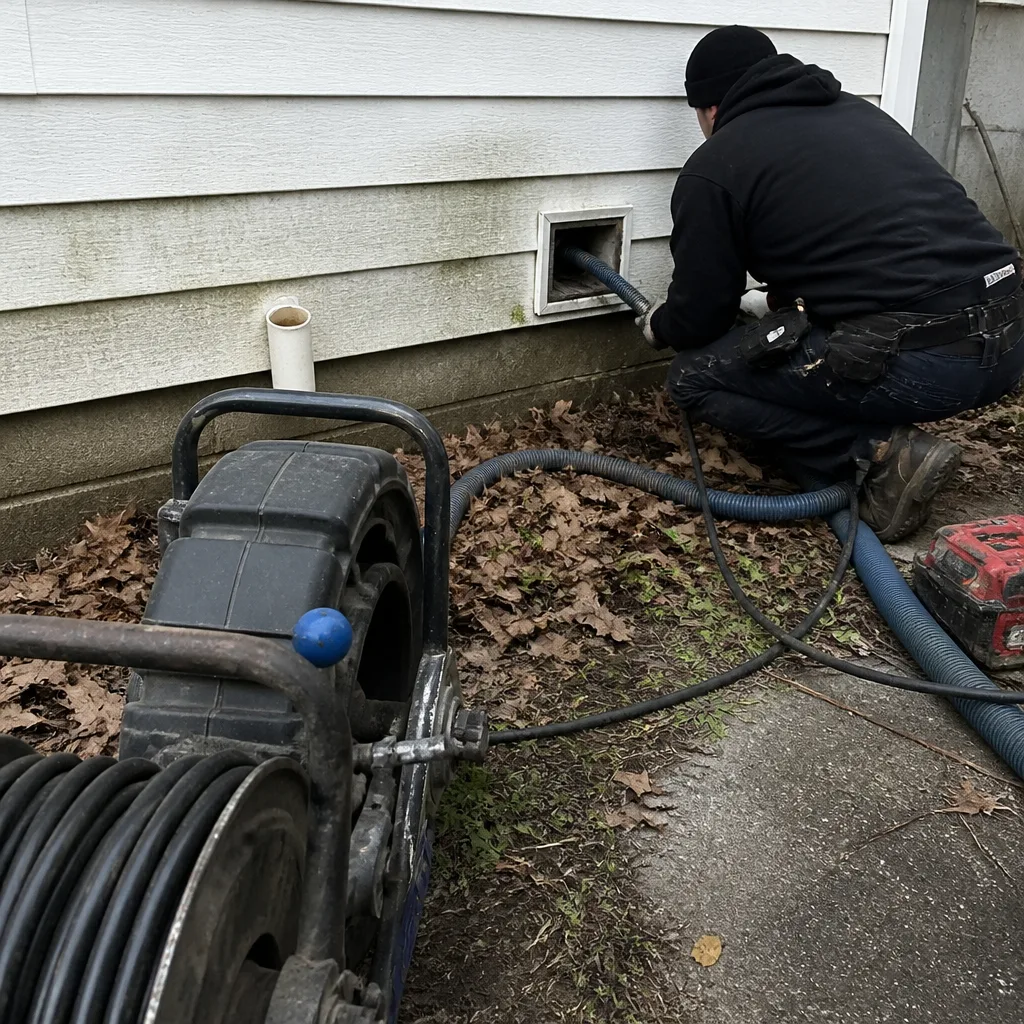 Before
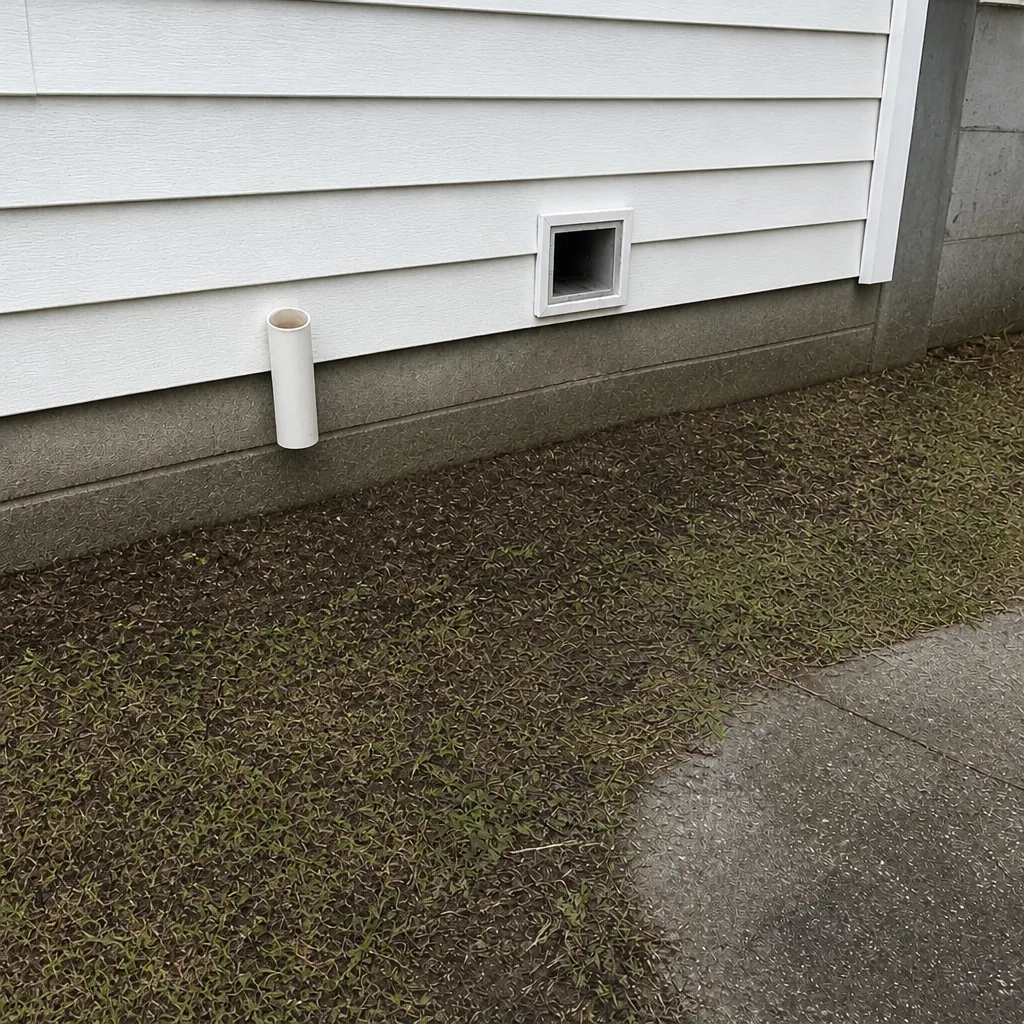 After