
Last updated November 16, 2026
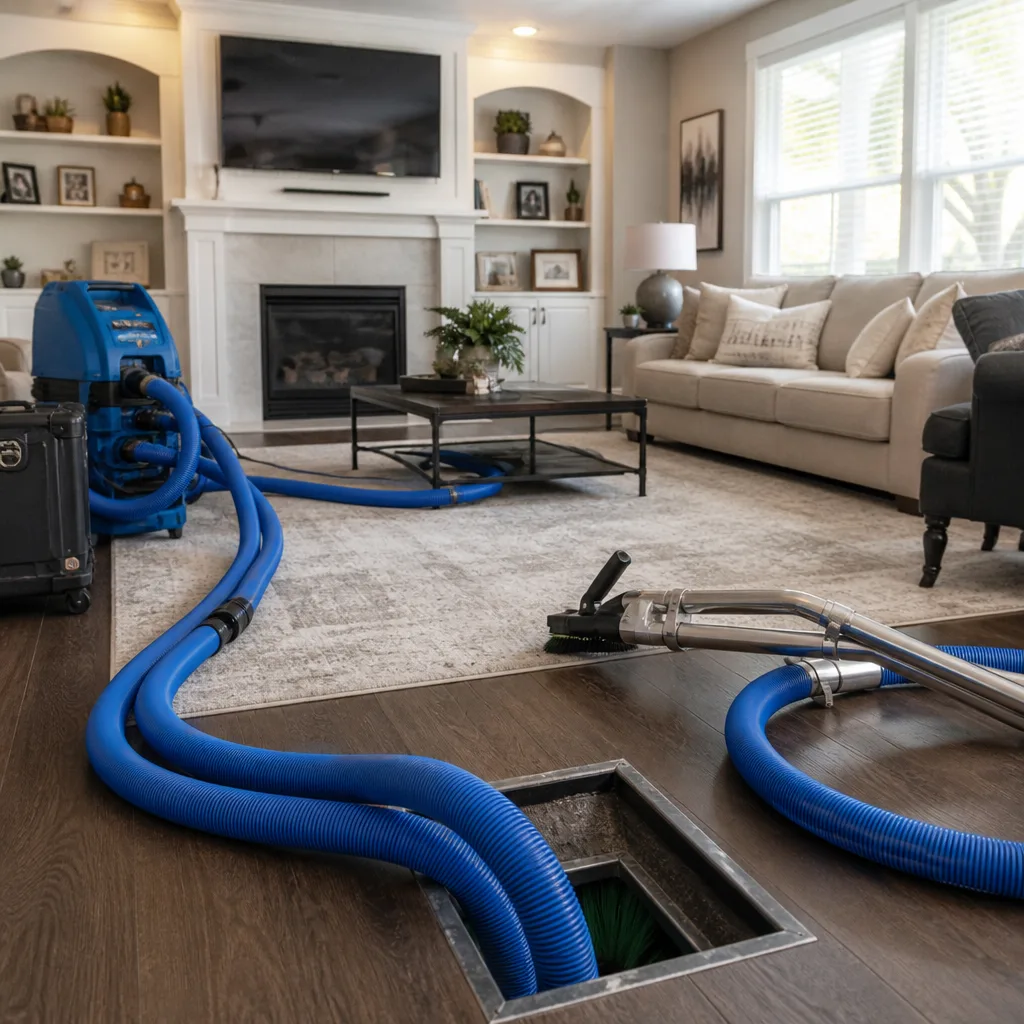 Whole-home duct cleaning
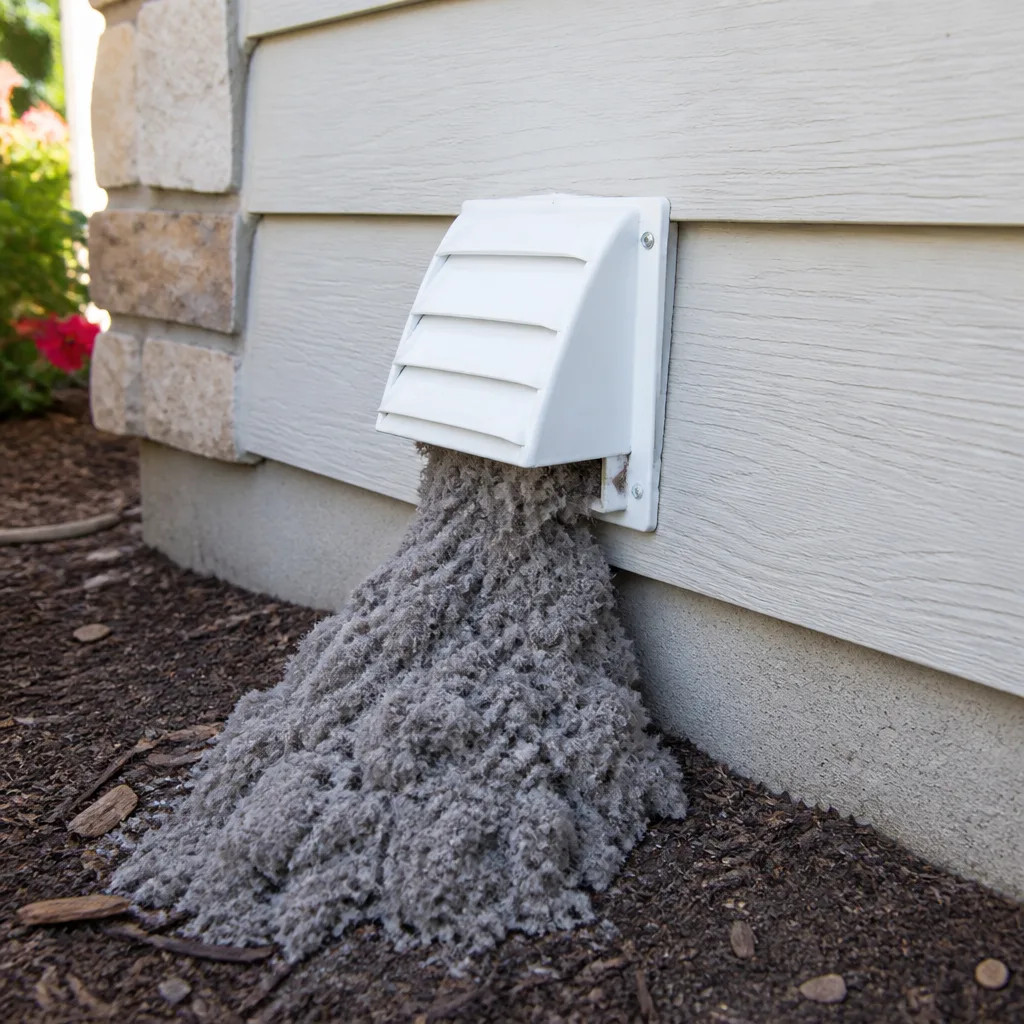 Dryer vent cleaning
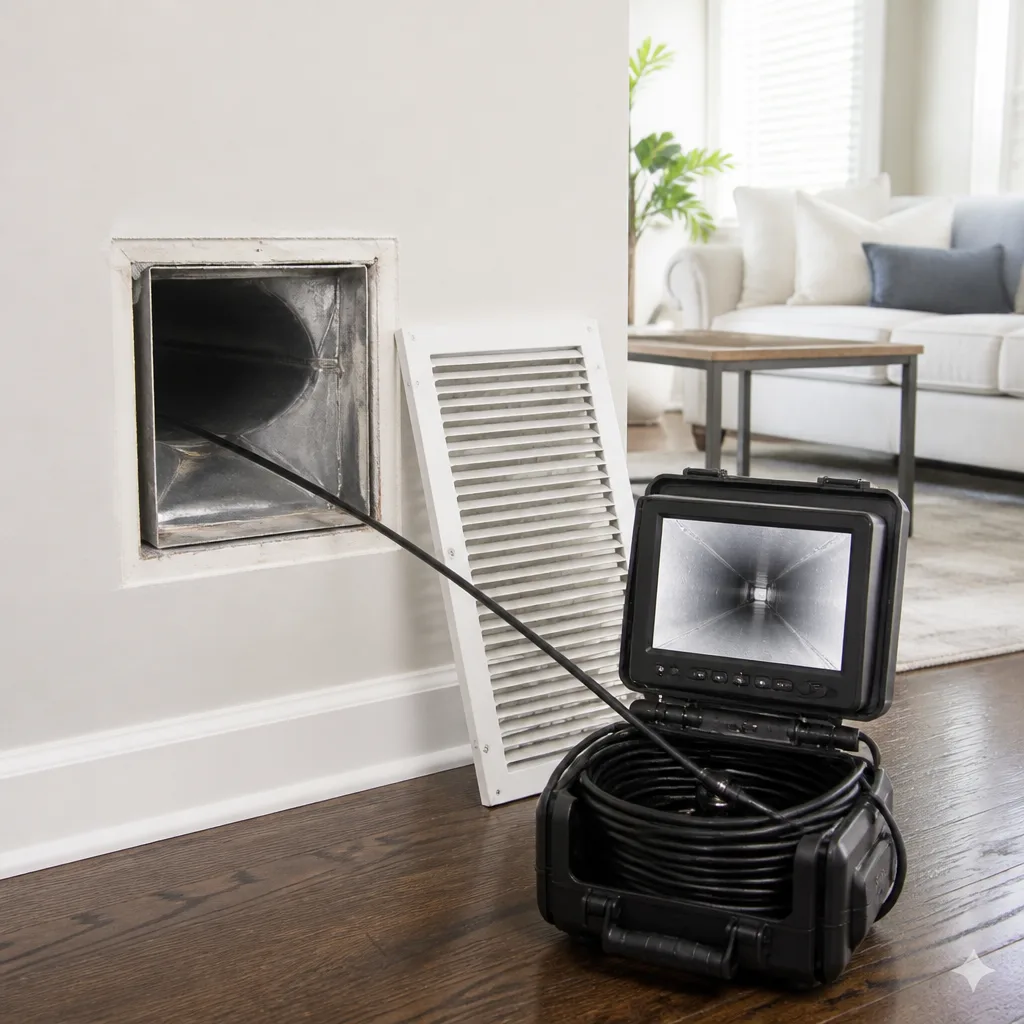 Camera inspection
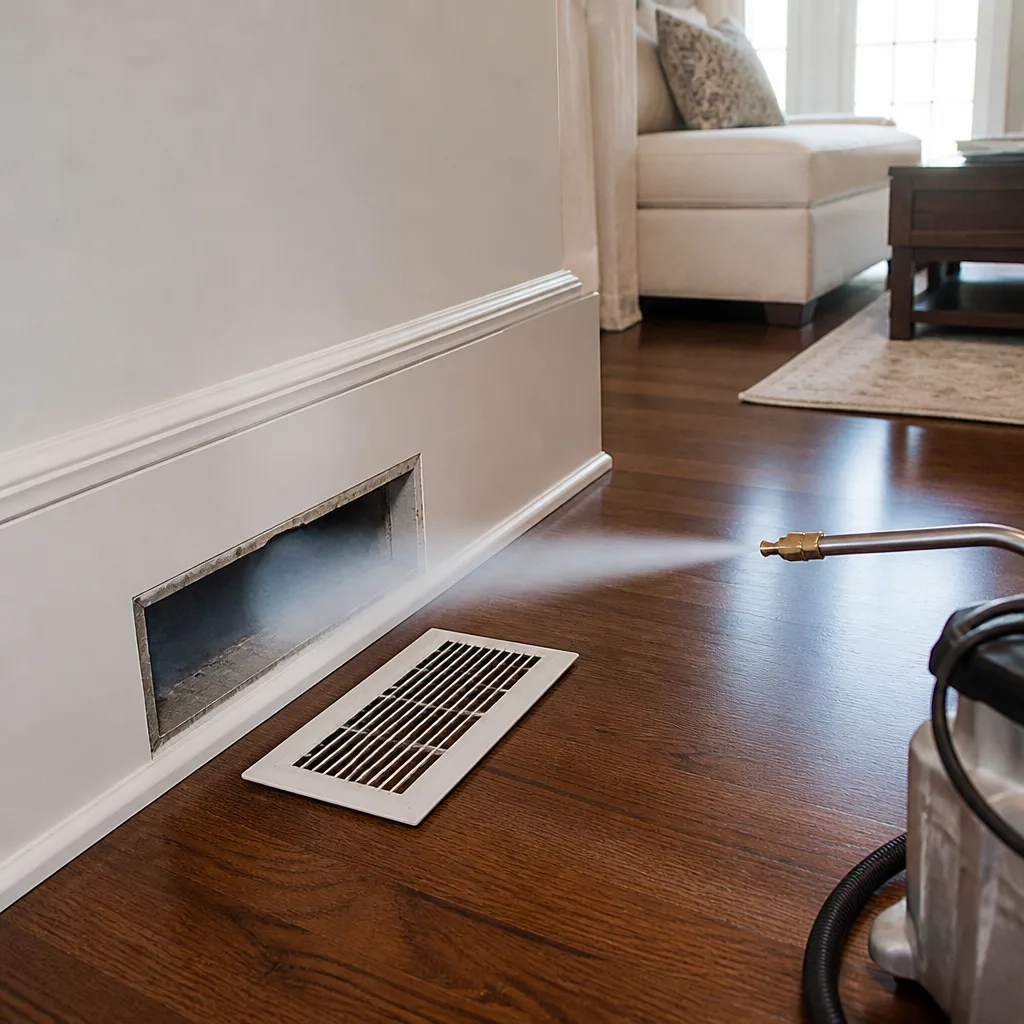 Sanitizing & deodorizing
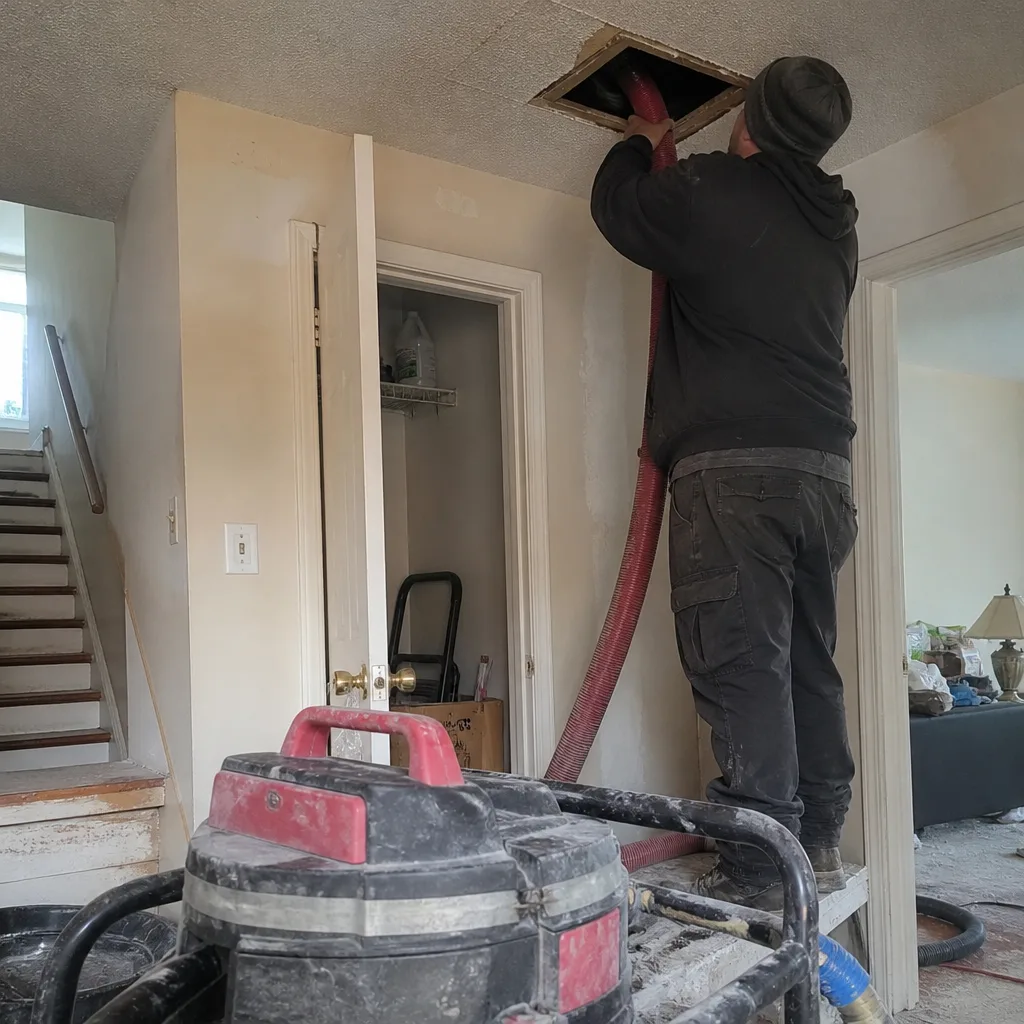
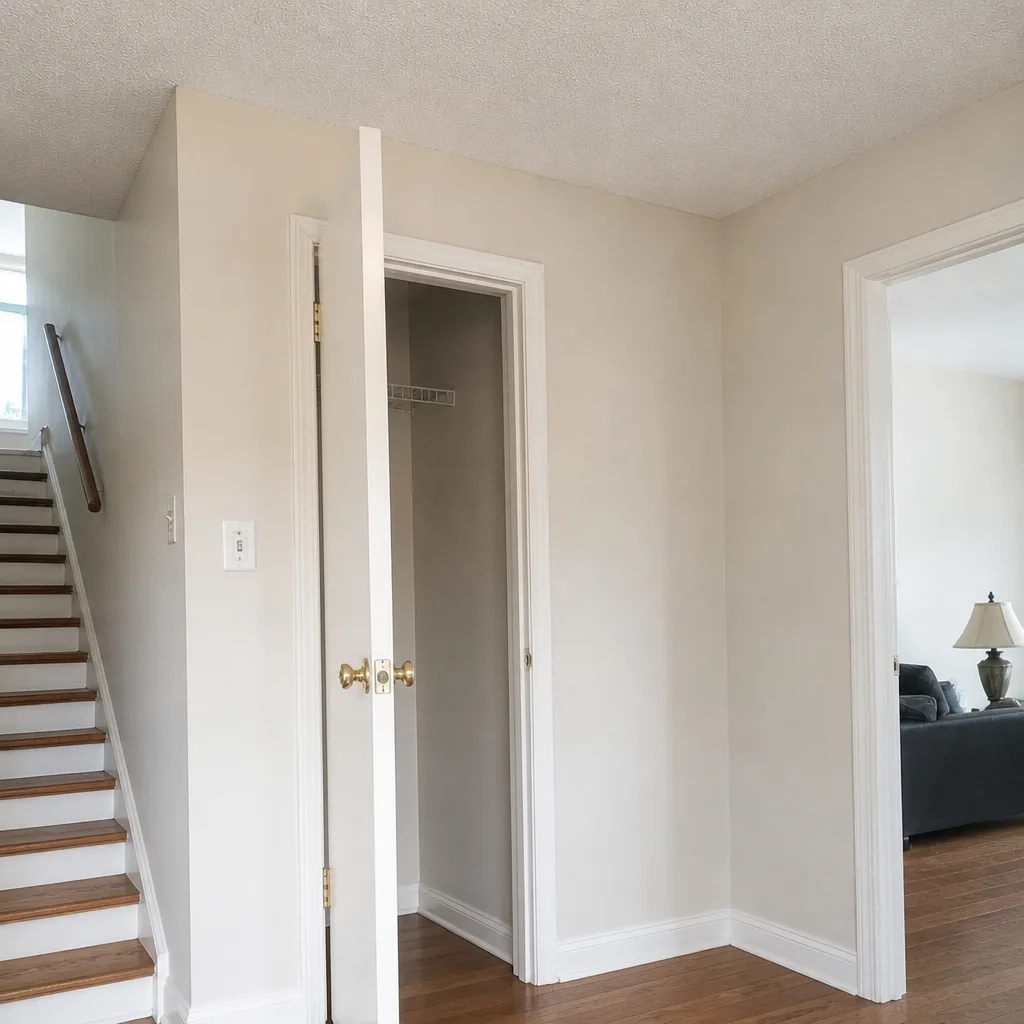
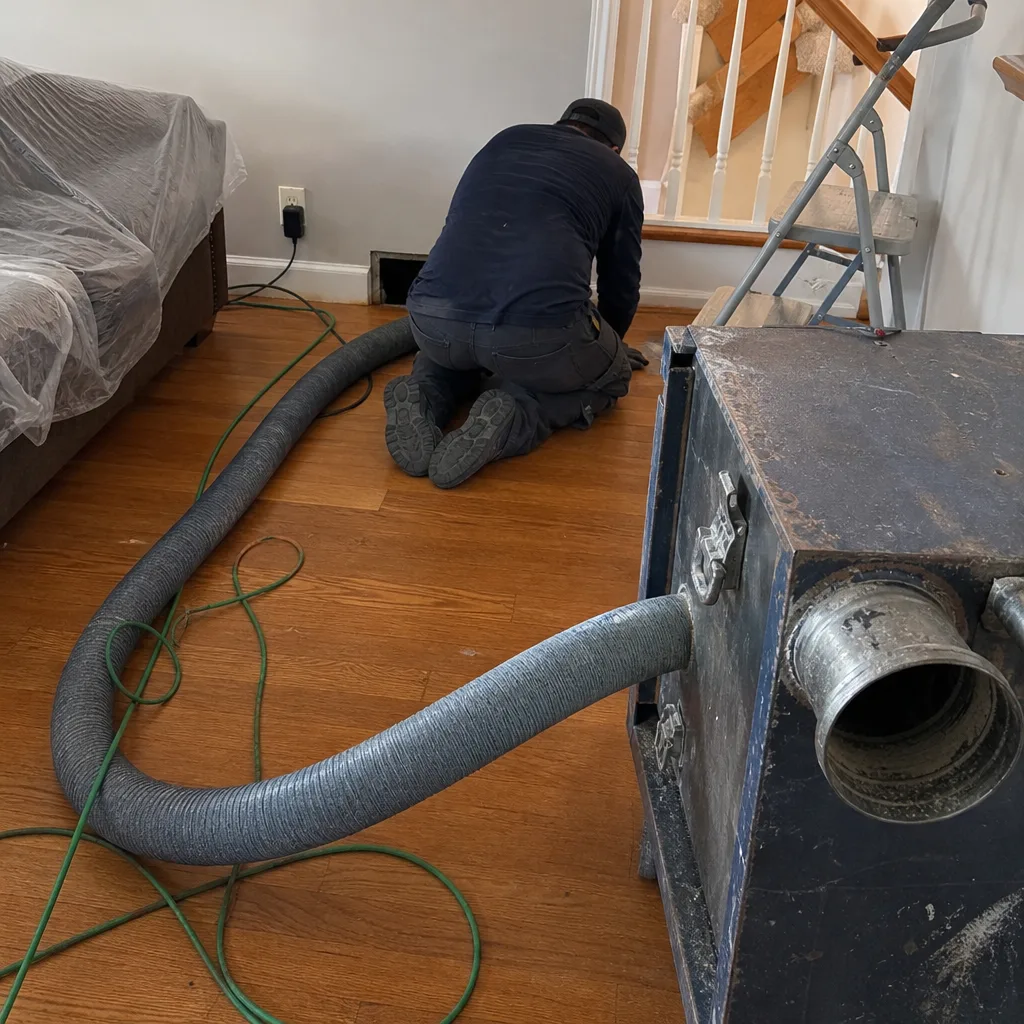
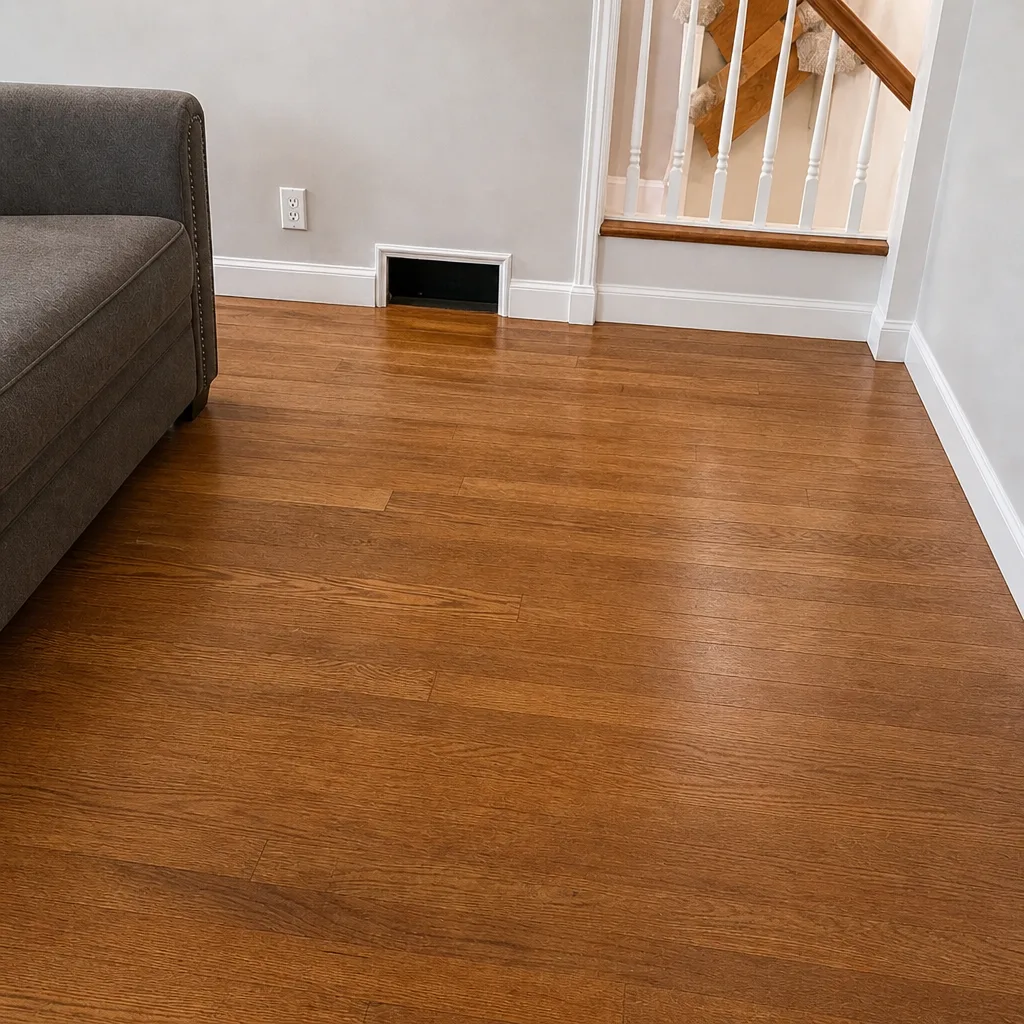
Whole-system duct and dryer vent check with before-and-after photos - you see exactly what came out of your vents
That "$99 whole-house special" is a bait ad - the real number appears once they are in your hallway, or the "clean" is a shop-vac at the register. We photograph the inside of your ducts before and after instead.
Air Duct Cleaning Emergency Preparedness Guide for Chesapeake Homes
After a tropical system floods a Chesapeake home, most homeowners focus on flooring, drywall, and furniture. Meanwhile the duct system is quietly wicking moisture and beginning mold colonization within 24 to 48 hours. By the time the visible damage is handled, the air distribution system is often already compromised. This guide covers the post-disaster scenarios that call for emergency duct evaluation in Chesapeake, a 72-hour action timeline, how to tell salvageable ductwork from ductwork that must be replaced, what to document for an insurance claim, and a pre-storm checklist that reduces vulnerability before hurricane season arrives.
Quick Answer
If floodwater, storm surge, or a roof breach has reached your ductwork in Chesapeake, treat the ducts as contaminated until inspected: do not run the HVAC system, and get a professional duct evaluation within 24 to 72 hours, because mold can begin colonizing wet duct lining and insulation in that window. Flex duct that has been wet usually has to be replaced; sheet metal can often be cleaned, sanitized, and salvaged if it is dried and treated in time. Document everything with photos and an inspection report before work starts so your insurer can process the claim.
Styles & brands we work with
- Whole-home duct cleaning
- Dryer vent cleaning
- Camera inspection
- Sanitizing & deodorizing
Table of Contents
- Why Chesapeake Ductwork Is Vulnerable After a Storm
- The Four Post-Disaster Scenarios That Require Emergency Duct Evaluation
- The 72-Hour Post-Flood Action Timeline
- Can Your Ducts Be Cleaned, or Must They Be Replaced?
- Documenting Duct Damage for an Insurance Claim
- Pre-Storm Preparedness Checklist for Chesapeake Homes
- Common Mistakes to Avoid
- When to Call a Professional
Why Chesapeake Ductwork Is Vulnerable After a Storm
The mid-Atlantic storm pattern puts Chesapeake in a specific kind of risk. Tropical systems that track up the coast bring prolonged rain, storm surge into low-lying neighborhoods, and wind that lifts shingles and opens roofs. Add the deep summer humidity that hangs over Hampton Roads, and you have three conditions that attack a duct system at once: water intrusion, structural breaches that let outdoor air in, and warm, moist air that mold needs to take hold.
Chesapeake’s geography makes this worse. The city sits across a landscape of tidal rivers, creeks, and low-lying sections where storm surge can push water into crawl spaces and ground-level utility areas well before it reaches living space. A home on higher ground can still take on water through a flooded crawl space, and that’s where the duct system often runs. Insulated flex duct sitting in a wet crawl space is one of the most moisture-prone installations in residential construction.
There’s a second path most homeowners never think about. A prolonged summer power outage after a storm leaves a house hot and humid for days. Ducts that were only slightly damp can absorb enough moisture from the air to create the conditions for biological growth. A system that ran through the storm and then sat idle in a closed-up house is a candidate for inspection even if no water visibly entered.
In our experience, the Chesapeake homes that end up with the biggest duct problems after a storm aren’t the ones that flooded most obviously. They’re the ones where water entered quietly – through a crawl space, a roof breach near a supply plenum, or a slow leak around a return – and nobody checked the ductwork because the floors looked fine. Because ductwork runs out of sight, the damage has a head start.
If you want the full picture of how routine duct condition affects your home’s air, our guide to air duct cleaning covers what professional cleaning actually involves and what gets addressed.
The Four Post-Disaster Scenarios That Require Emergency Duct Evaluation
Not every storm calls for an emergency response. But four specific scenarios in Chesapeake should put duct inspection at the top of your list. Each one delivers a different kind of contamination into the system, and each is easy to overlook when you’re dealing with visible damage.
1. Storm surge and tidal flooding
Surge water is not clean water. It carries sediment, salt, organic material, and whatever it picked up on the way in. When that water reaches a crawl space or a ground-level duct run, sediment can coat the interior of the duct, and the moisture feeds biological growth. This is the highest-priority scenario. The ducts should not be run until they’ve been inspected and dried.
2. Standing water in crawl spaces
A flooded crawl space is a slow-motion duct problem. Even after the water recedes, the vapor barrier and insulation stay wet, and the relative humidity in that space can stay high for weeks. Insulated duct in that environment wicks moisture into the insulation where you can’t see it. If your Chesapeake home has ductwork in the crawl space and that crawl space held water, treat it as a duct event.
3. Roof breaches near supply plenums
Wind-driven rain through a damaged roof can funnel water directly into the attic, where supply trunks and plenums often run. A roof breach directly above a plenum is one of the worst cases because water enters the system’s pressurized side, which distributes it across the whole run when the system is next turned on. If a roof was opened and there’s ductwork above the ceiling, get it checked.
4. Prolonged power outages in summer humidity
After a major storm, some Chesapeake neighborhoods lose power for days. A closed house in July or August with no air conditioning can reach high interior humidity. Warm, stagnant, humid air moving slowly through ductwork is exactly the environment biological growth prefers. If power was out for an extended stretch in summer, an inspection is warranted even if no water was visible.
The 72-Hour Post-Flood Action Timeline
The window between a water event and persistent duct contamination is shorter than most people expect. Here’s how to sequence the first three days so you protect the system instead of making things worse.
Hour 0 to 24: Stop the system and shut off the source
- Do not run the HVAC system. Running it moves contaminated air and moisture through every branch of the ductwork. Keep the system off until inspected.
- Shut off power to the system at the breaker. This prevents an accidental cycle while you’re dealing with water.
- Stop any active water intrusion. Turn off the water supply if a line is involved, and address the source – roof, entry point, or sump.
- Photograph everything before you move it. Wide shots of each affected room, close shots of water lines, and shots of any duct registers or returns with water contact.
- Pull water from crawl spaces and standing areas so the humidity source is removed, but don’t run the ducts to dry them.
Hour 24 to 48: Assess and document
- Look for visible water at registers and returns. Any sign of moisture at a vent opening means water has entered the duct run.
- Check the crawl space and attic for standing water, wet insulation, and wet duct wrapping.
- Note any musty smell. A damp, earthy odor from a register is a strong indicator of growth starting inside the duct.
- Call for a professional duct evaluation. This is the point where a trained inspection gives you documentation you’ll need for insurance.
Hour 48 to 72: Inspection and decision point
- Have the ducts inspected with the system off. A professional will check interior duct condition, insulation, and the plenum and return areas.
- Get the report in writing. Clean, salvageable, or replace – the inspector should tell you which and why.
- Decide on a cleaning or replacement path before anyone turns the system back on. After 72 hours, contaminated and wet ductwork is more likely to need replacement than cleaning.
One more thing: your dryer vent should be checked at the same time. A storm that pushes water into a home can also leave lint and debris wet inside the vent line, and a clogged dryer vent is a fire risk regardless of the season. We cover the safety side of that in our page on dryer vent cleaning.
Can Your Ducts Be Cleaned, or Must They Be Replaced?
The single biggest factor in the clean-versus-replace decision is the duct material. Flex duct that has been wet is almost always a replacement. Interior duct lining and fiberglass insulation that has absorbed water can’t be reliably dried in place and cleaned to a salvageable condition, and the contaminated material keeps feeding biology into the air stream. Sheet metal is different. Bare galvanized sheet metal that has been wet can usually be cleaned, disinfected, and dried if the work happens before heavy corrosion or established growth sets in.
Here’s how we break it down:
- Flex duct, wet: replace. The liner and insulation trap moisture and can’t be cleaned back to a safe condition.
- Duct board or interior-lined duct, wet: replace the affected sections. The porous lining is the problem.
- Sheet metal, wet but intact: clean, disinfect, dry. This is the salvage case, and it’s why timing matters.
- Sheet metal with visible corrosion or flaking: replace the affected run. Cleaning won’t fix structural breakdown.
- Any duct with standing water inside: evaluate for replacement, because interior pooling usually means the run is compromised.
The line between salvageable and replaceable comes down to three things: material, how long it was wet, and whether the interior surfaces are porous. Insulation and lining absorb and hold; metal sheds. That’s the dividing line we use on Chesapeake jobs, and it’s the one that matters for a fair replacement scope.
When sections do need replacing, we handle that as part of air duct repair – the same crew that inspects and cleans can repair leaks, replace damaged sections, and reseal the system, so you’re not juggling a second contractor after a flood.
Documenting Duct Damage for an Insurance Claim
Duct work is one of the most commonly under-documented parts of a flood or storm claim. Homeowners photograph warped floors and ruined drywall, then forget the system that distributes air through the whole house. That oversight costs money, because the adjuster settles based on what’s documented, not what’s hidden behind the ceiling.
What to collect for your adjuster:
- Photo set: wide shots of every affected area, close-ups of water lines, and shots of duct registers, returns, the air handler, and any visible duct with water contact.
- Video walkthrough: a slow, narrated video that moves from the flooded area toward each duct opening, showing the path water could have taken into the system.
- A professional inspection report: a written evaluation of duct condition, material type by section, and recommendation (clean, repair, or replace) with reasoning. This is the document that turns an opinion into a scope.
- Air quality or moisture readings taken by the inspector, where they’re part of the evaluation.
- Before-and-after photos if any cleaning or repair is done, so the adjuster can see the work performed.
- Receipts and written estimates for any emergency drying or remediation done before the inspection.
When you talk with your adjuster, ask specifically whether duct cleaning and duct repair are covered line items under your policy, separately from general structural damage. Some policies treat duct cleaning as part of the general cleanup, while others write it as a separate line. Knowing which category applies helps you present the claim correctly. We can work with your insurer to provide the documentation they request; we can’t promise a specific claim outcome, because that’s the adjuster’s call. But a clear inspection report does more to move a claim than any phone call.
For a broader look at how duct systems sit inside the local housing stock, our Chesapeake page covers the local context this guide builds on.
Pre-Storm Preparedness Checklist for Chesapeake Homes
Most post-storm duct damage is preventable with work done before the storm. Here’s a checklist aimed at the specific vulnerabilities in Chesapeake homes – crawl spaces, roof penetrations, and the summer humidity that turns a small leak into a growth problem.
- Seal the crawl space. A properly sealed and vapor-sealed crawl space reduces the moisture load on any ductwork that runs through it. Check the vapor barrier for tears and make sure it covers the full floor.
- Insulate and protect duct runs in the crawl and attic. Undamaged insulation and wraps keep warm, humid air from condensing on cool duct surfaces. Look for sagging runs, torn wraps, and disconnected joints.
- Protect return air openings. Returns pull air into the system. If a storm is coming, make sure return grilles aren’t where floodwater will reach them, or plan to close and cover them if water is expected.
- Check roof and flashing before the season. A roof breach during a storm is one of the worst duct events. Fix damaged shingles and flashing in advance, and know where your supply plenums run under the roof.
- Have a pre-storm shutoff plan. Know where the breaker for your HVAC system is and how to shut it off. Write it down and keep it somewhere dry.
- Clear the dryer vent and check the exterior hood. A damaged exterior vent hood or a lint-clogged line is a fire risk year-round, and storm debris can make it worse. Have the vent line cleaned and checked before hurricane season.
- Set up a documentation kit. Keep a folder, physical or digital, with photos of every room, the air handler, and each duct register. Pre-storm photos make post-storm claims far easier to support.
- Plan a post-storm inspection. If your home is anywhere near a flood-prone area in Chesapeake, plan to have the ducts evaluated after any significant water event, whether or not visible damage appears.
Indoor air quality systems deserve a line in your preparedness planning too. If your home has a Honeywell or Aprilaire filtration or humidification component, have it checked as part of the pre-season routine – the professionals we connect you with are trained on those systems and can clean, repair, or upgrade the whole air system, not just the duct runs. Onsite, we use Abatement Technologies air filtration to contain particulates during the cleaning, along with Rotobrush and Nikro equipment for the cleaning itself – the kind of commercial-grade containment that matters most when you’re cleaning a system after contamination.
Common Mistakes to Avoid
- Running the system to “dry it out.” Running a wet, contaminated system spreads moisture and biological growth through every branch. Shut it down and get it inspected instead.
- Waiting to see if a smell develops. By the time a musty odor reaches a register, growth inside the duct is already underway. The 72-hour window doesn’t wait.
- Assuming flex duct can be cleaned. Wet flex duct holds moisture in its lining and insulation. Cleaning it doesn’t fix the contamination, which is why replacement is usually the honest answer.
- Letting a low-cost “duct cleaning” crew handle a post-flood job. A contaminated system needs insulation-safe cleaning, containment, and drying – not a quick vacuum. A crew without proper equipment can spread contaminants through the house.
- Skipping documentation. Turning on the system, cleaning up the visible damage, and calling the insurer without a duct inspection report leaves the duct scope out of the claim.
- Forgetting the dryer vent. A storm that floods a home often leaves a dryer vent wet or clogged with debris. That’s a fire hazard, and it’s a separate safety issue from the air ducts.
- Skipping the pre-season check. A crawl space vapor barrier with a tear or a roof flashing problem discovered in June is a duct problem waiting for August.
When to Call a Professional
Call a professional duct specialist in Chesapeake after any water event that reached your crawl space, attic, or duct system, even if you don’t see visible damage. Call immediately if you see water at a register, smell a damp, earthy odor when the system runs, or notice moist insulation or wet duct wrapping. Call if your home lost power for an extended stretch in summer humidity and the system ran again afterward. Call before you turn the HVAC back on after a flood. And call before you file an insurance claim, so you have an inspection report in hand when the adjuster arrives. Our team at Duct Cleaning Chesapeake offers free estimates in Chesapeake – call (855) 695-8132. We answer 24/7. Fast dispatch, 7am-7pm, Sunday through Friday.
See the difference
 Before
 After
 Before
 After
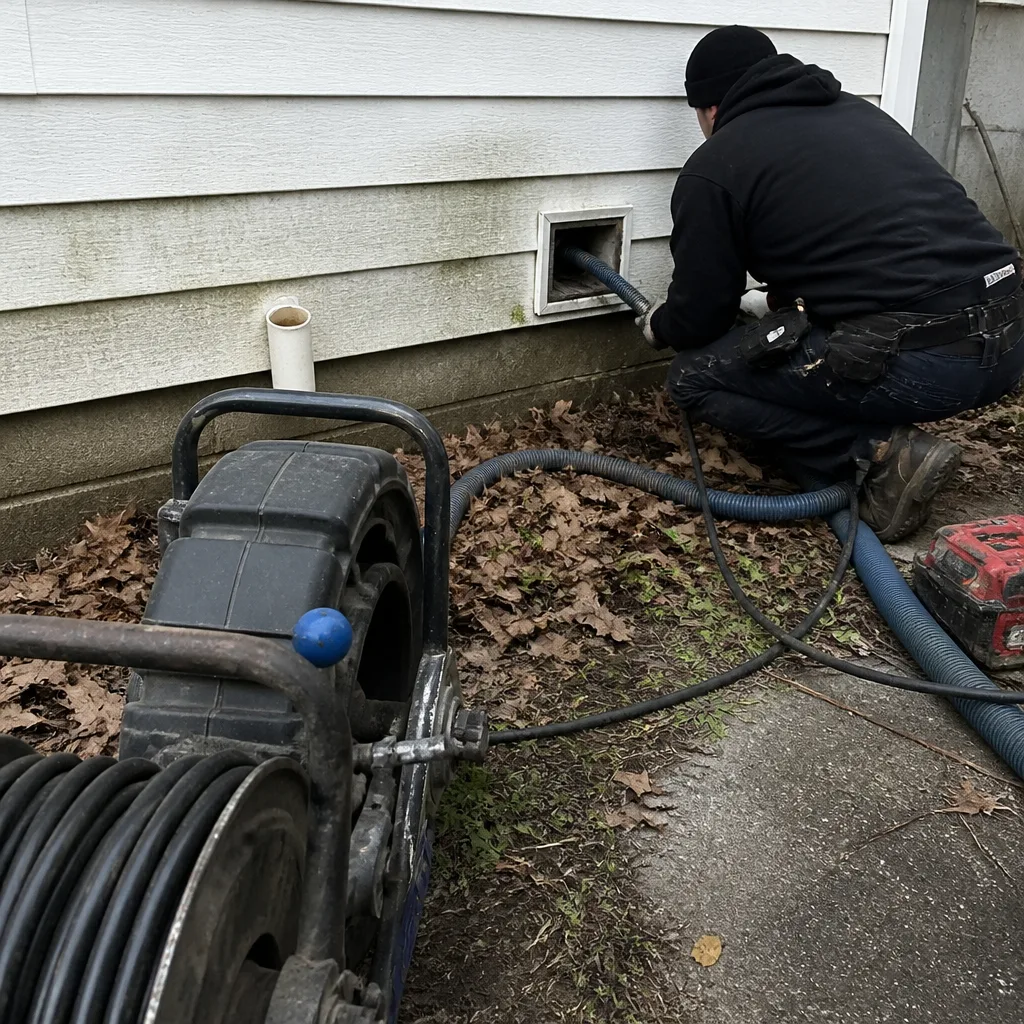 Before
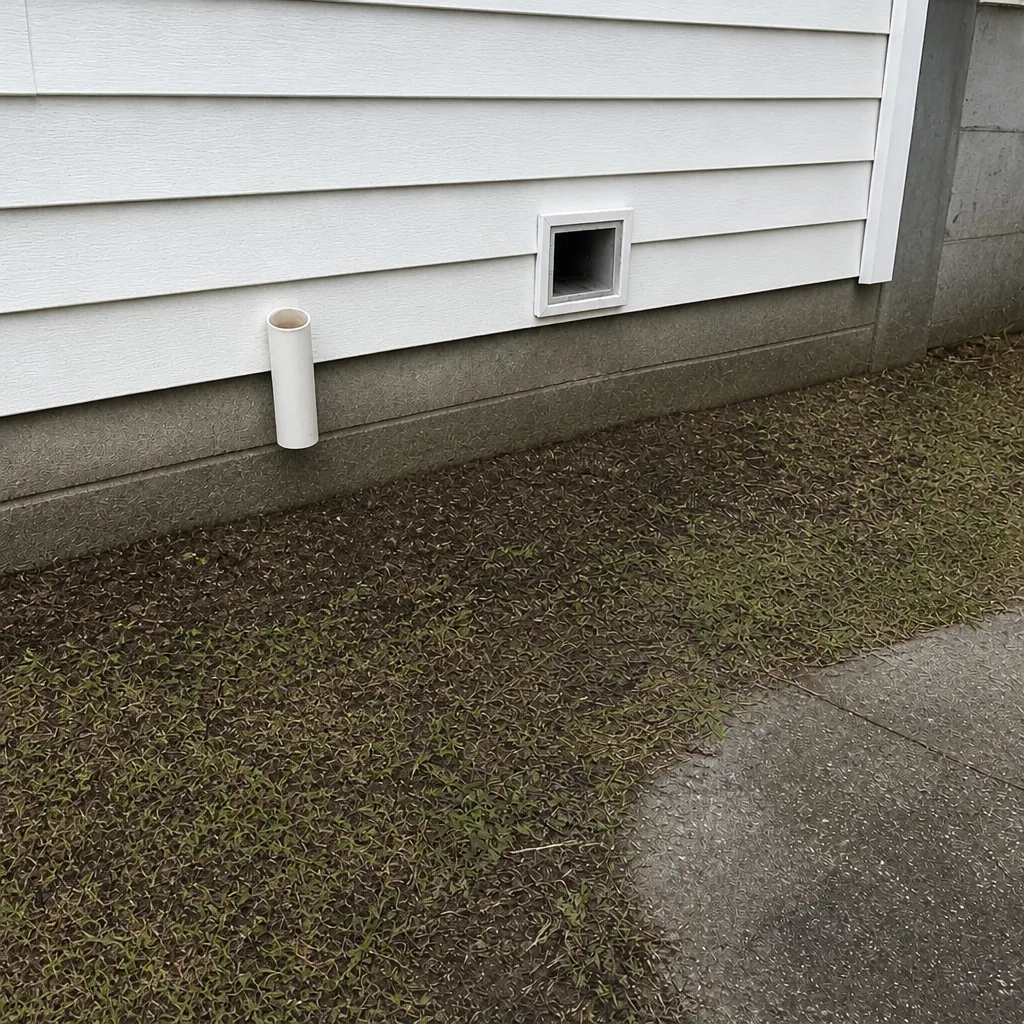 After
Frequently Asked Questions
Within 24 to 72 hours. Mold can begin colonizing wet duct lining and insulation inside that window, and the sooner the system is inspected and dried, the more likely sections can be cleaned and salvaged rather than replaced. Call (855) 695-8132 for an exact assessment of your system – estimates are free. We answer 24/7. Fast dispatch, 7am-7pm, Sunday through Friday.
Wet flex duct almost always has to be replaced. Its interior lining and insulation absorb water, can’t be reliably dried in place, and hold contamination that cleaning won’t remove. Sheet metal is the salvageable material: bare metal that’s been wet can usually be cleaned, disinfected, and dried if inspection happens within the first few days. If you’re unsure which material you have, an inspection settles it quickly – call for an estimate and we’ll tell you which path applies.
Coverage depends on your policy and how the claim is documented, so ask your adjuster specifically whether duct cleaning and repair are covered line items. A written inspection report is the document that turns a duct claim into a scoped, payable item. We can work with your insurer to supply the documentation they request. Call (855) 695-8132 to schedule the inspection and get the report started.
No. If water reached your crawl space, attic, or any duct component, running the system can push moisture and biological growth through every branch of the ductwork. Keep the system off at the breaker until an inspection confirms the ducts are dry and clean. For an urgent evaluation after a storm, call (855) 695-8132. We answer 24/7. Fast dispatch, 7am-7pm, Sunday through Friday.
A legitimate job is priced as one flat price per system, agreed before work starts, with no per-vent pricing and before-and-after photos of your own ducts. Bait-and-switch pricing uses a coupon or teaser number that grows into a much larger invoice once the technician is on site. Ask what equipment will be used – on a post-flood job you want to hear about containment and negative-air filtration, not a shop vacuum. For a straight estimate on your Chesapeake home, call (855) 695-8132.
Seal the crawl space and check the vapor barrier, inspect roof flashing and shingles, confirm duct insulation and wraps are intact, protect return air openings, and know where your HVAC breaker is. Have your dryer vent cleaned and the exterior hood checked, and keep pre-storm photos of every room and each duct register. These are low-cost steps that reduce what a storm can do to your system – and they make an insurance claim easier to support if one is needed.
The Bottom Line
The duct system is the part of a Chesapeake home most likely to be forgotten after a storm and the part most vulnerable to the humidity that follows. Act within 72 hours: shut the system off, remove standing water, document everything, and get a professional evaluation before the ducts run again. Know your duct material – wet flex duct is a replacement, wet sheet metal is often salvageable. Keep the inspection report for your insurer. And do the pre-season work: seal the crawl space, inspect the roof, protect the returns, and clear the dryer vent. A duct system that isn’t compromised by moisture is one you never have to think about after a storm. For a free estimate on inspection, cleaning, or repair for your Chesapeake home, call (855) 695-8132. We answer 24/7. Fast dispatch, 7am-7pm, Sunday through Friday. Our technicians have up to 11 years of experience. One flat price per system, agreed before work starts, with before-and-after photos of your own ducts.
Written by the team at Duct Cleaning Chesapeake.