
Last updated November 16, 2026
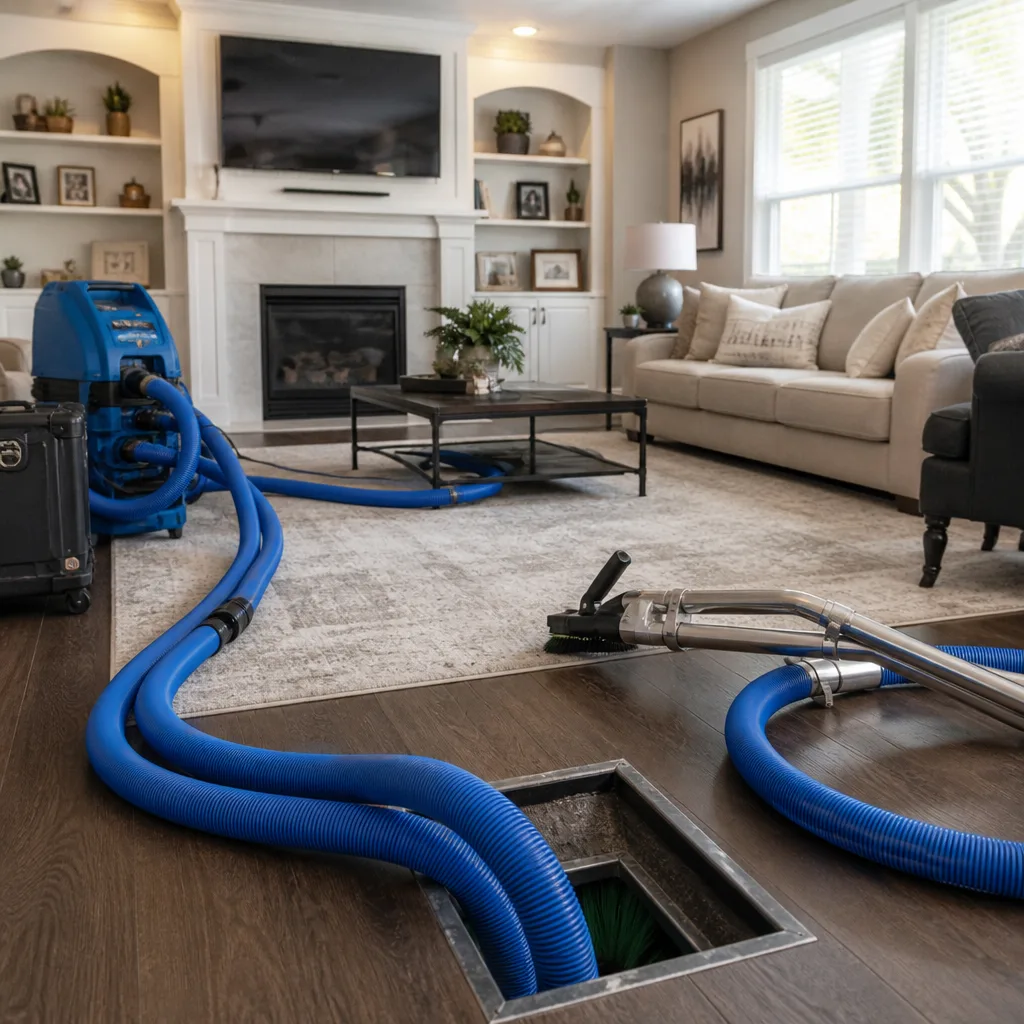 Whole-home duct cleaning
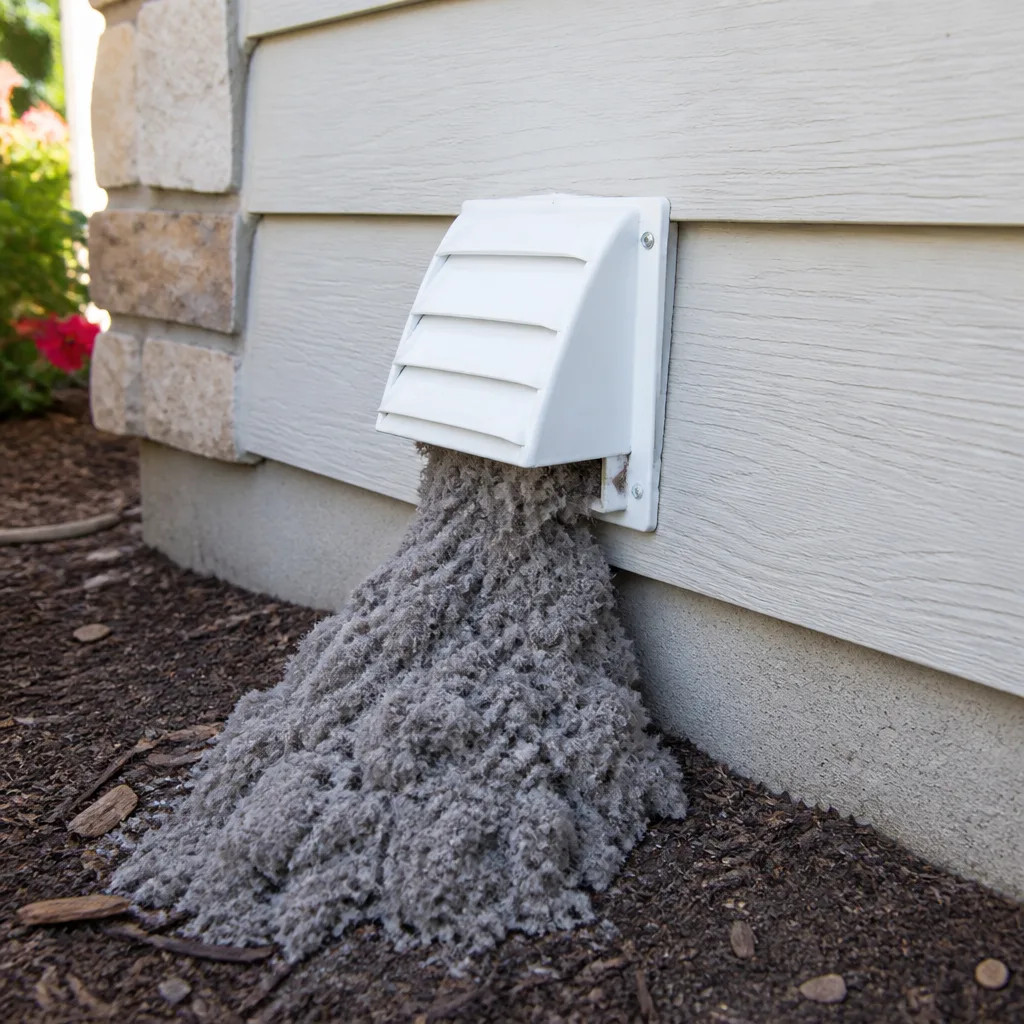 Dryer vent cleaning
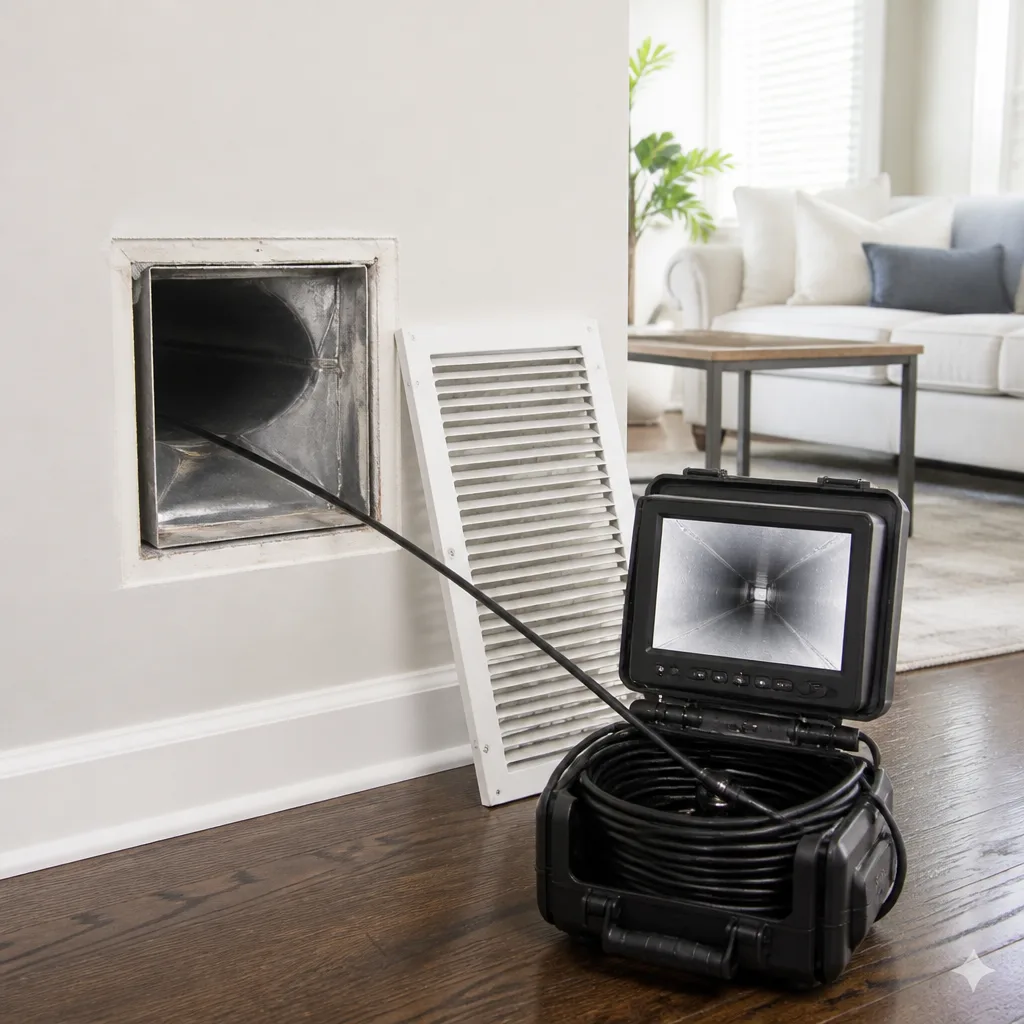 Camera inspection
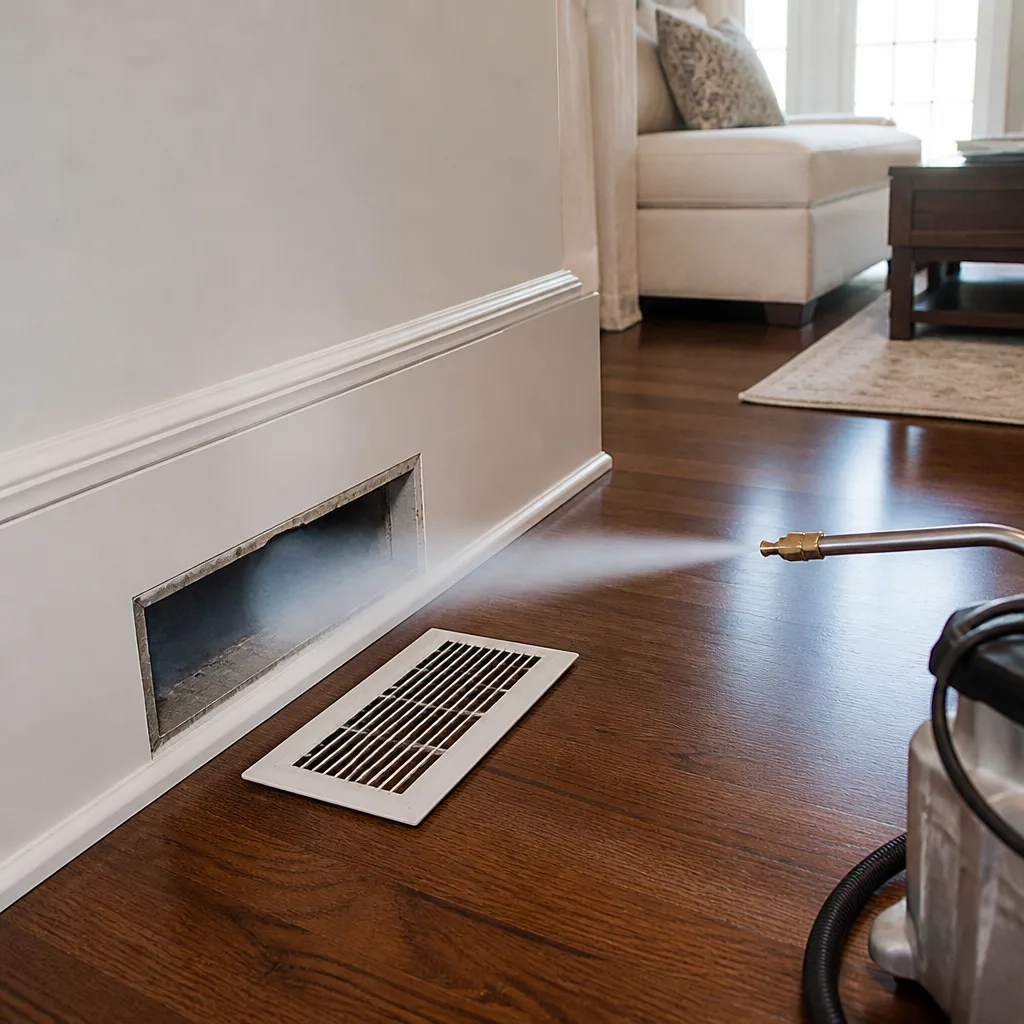 Sanitizing & deodorizing
Whole-system duct and dryer vent check with before-and-after photos - you see exactly what came out of your vents
That "$99 whole-house special" is a bait ad - the real number appears once they are in your hallway, or the "clean" is a shop-vac at the register. We photograph the inside of your ducts before and after instead.
Seasonal Air Duct Cleaning Care for Chesapeake: Year-Round Homeowner’s Guide
Most homeowners in Chesapeake schedule duct cleaning by the calendar, not by the weather. January is the default choice, and it’s usually the wrong one. Cleaning in the dead of winter means you’re working on a system that’s about to spend May through September pulling in pollen, humidity, and cooling-season debris, and all of that builds up again within months of the service. Timing the work to Chesapeake’s actual seasons changes what gets removed, what the cleaning method has to handle, and how long the results last. This guide breaks down what each season throws at your ductwork in Chesapeake, when the optimal cleaning window falls, and what you can do between professional visits to keep the system from undoing the work.
Quick Answer
For most homes in Chesapeake, late spring is the best time to schedule air duct cleaning. That means waiting until the pollen season has passed but cleaning before summer humidity and heavy AC use push mold spores and moisture through the system. A single annual cleaning timed to that window addresses more contamination than a winter cleaning, and pairing it with seasonal filter changes and intake checks keeps the ductwork cleaner across all four seasons.
Styles & brands we work with
- Whole-home duct cleaning
- Dryer vent cleaning
- Camera inspection
- Sanitizing & deodorizing
Table of Contents
- Why Season Timing Matters More Than Frequency
- Spring in Chesapeake: Pollen, Intakes, and Pre-Season Prep
- Summer Humidity and the Mold Question
- Fall: Leaf Debris, Tropical Storm Aftermath, and Intake Inspection
- Winter Closed-House Conditions and IAQ Systems
- Why Late Spring Is the Optimal Window
- Chesapeake Seasonal Events That Warrant an Unscheduled Inspection
- How the Season Changes the Cleaning Method
Why Season Timing Matters More Than Frequency
Duct contamination doesn’t build up on a steady, predictable curve. It builds in bursts that line up with the outdoor environment, and in Chesapeake that means four distinct bursts across the year. Spring deposits a fine layer of tree and grass pollen on every intake surface the return air touches. Summer adds moisture, which is the ingredient that turns a dust film into a growth-friendly environment. Fall sends leaf debris and outdoor particles into the system through intakes that draw hardest during the first cool nights. Winter seals the house up, recirculates whatever’s already in the ducts, and concentrates everything indoors for months.
A single cleaning in any one season catches one part of this cycle. That’s why we don’t recommend a fixed annual date without thinking about where you sit in the seasonal pattern. The point isn’t necessarily to clean more often. It’s to clean at a moment when the system is between major loads of contamination, so the cleaning has the longest possible useful life before the next burst.
There’s a second reason timing matters: physical condition. Ductwork that’s been pulling pollen and moisture through it for a full summer has different cleaning needs than ductwork that just came through a quiet winter. Pollen-coated ductwork responds to a gentle rotary brush pass. Ductwork with visible biological growth and moisture-driven staining needs more aggressive agitation, verified air movement, and sometimes an IAQ upgrade discussion. Knowing what season you’re cleaning after tells you what to expect going in.
Homeowners who’ve recently bought a house or finished a renovation face the same timing logic, but with an added push: construction dust and unknown history mean cleaning is worth scheduling regardless of season, and then the seasonal calendar takes over from there. You can read more about the general process on our air duct cleaning page.
Spring in Chesapeake: Pollen, Intakes, and Pre-Season Prep
Spring is the heaviest pollen load Chesapeake sees all year. Pine, oak, and the region’s grass pollen arrive in waves from March through May, and every open window, every door swing, and every running air handler pulls it in. The return-air intakes act as a funnel. Whatever the filter doesn’t catch ends up on the inside walls of the return trunk and the supply branches.
What’s most useful to do in spring is prep, not cleaning. The most important step is upgrading the filter before the first warm week drives regular AC use:
- Check the current filter’s MERV rating and the system’s stated maximum. Going above the stated maximum restricts airflow and stresses the blower.
- Install a fresh filter in early spring, before the AC runs hard.
- Record the install date in permanent marker on the filter frame so the next change is a calendar decision, not a guess.
- Vacuum intake grilles and return covers lightly to remove pollen film that would otherwise pull straight through.
- Walk the outdoor condenser and check that it’s clear of leaf litter and pollen-coated debris, since a starved condenser runs longer and pulls more air through the ducts.
Spring cleaning itself, for most Chesapeake homes, is best deferred. Cleaning in April catches the early pollen but leaves the big May loads still coming. The exception is a home that’s just been bought or finished a renovation, where cleaning happens on its own schedule and the spring prep still follows the same steps.
Summer Humidity and the Mold Question
Chesapeake summers are humid. Dew points sit in the upper 60s and low 70s for weeks at a stretch, and the air conditioner runs nearly continuously from June through September. That combination is exactly what moisture-driven contamination needs: condensation on cold evaporator coils, humid air cycling through ductwork, and a supply-air stream that’s cooling the duct walls enough to trigger surface condensation on poorly insulated runs.
Mold growth in ductwork isn’t a Chesapeake-only problem, but the local humidity makes it a Chesapeake-worthy concern. It shows up most often where:
- Duct insulation in unconditioned spaces (attics, crawlspaces, garages) has gaps or compressed sections.
- Return ducts pass through humid spaces without a sealed vapor barrier.
- The filter is overloaded and can’t move enough air to keep the coil dry between cycles.
- Bathroom and kitchen exhaust fans vent into the attic or are undersized.
The best summer defense is airflow and dryness. Keep the filter clean so the system doesn’t stall, keep the coil dry by not oversizing the system’s run cycles through unnecessary thermostat swings, and monitor indoor humidity with a simple hygrometer. If humidity inside the house sits above the mid-50s for extended stretches, the air handler is fighting a losing battle and duct cleaning alone won’t fix it. An IAQ system review, including the Chesapeake area’s Honeywell and Aprilaire options, is often part of the answer.
Fall: Leaf Debris, Tropical Storm Aftermath, and Intake Inspection
Fall in Chesapeake brings two distinct risks to the duct system, and they arrive at different times. The first is the leaf-and-debris window, when falling leaves coat gutters, roof valleys, and the outdoor unit, and wind drives fine particles into any intake that’s drawing. The second is tropical weather, which in some years sends heavy rain and wind through the region in late summer and early fall, pushing water into attics, garages, and crawlspaces, and forcing outdoor debris through every opening.
The single most useful fall task is inspecting the returns and the outdoor unit:
- Look at the return intakes inside the house. A visible dust or pollen film on the grille means it’s also on the duct walls behind it.
- Check the outdoor condenser for leaf litter, twigs, and storm debris. Clean it before the first cold snap.
- Clear gutters so water doesn’t back up under the roof line and reach attic ductwork.
- Look for water stains, sagging insulation, or disconnected flex duct in the attic and crawlspace after any heavy storm, even if the system seems to be running fine.
- Change the filter again going into fall. The spring filter is loaded with pollen by now.
If a tropical storm has passed through and the house took on water anywhere near ductwork, that’s a different category of problem. Wet or damp duct insulation is a contamination risk and a breeding ground for biological growth, and the assessment should happen before the system runs again for long stretches. That’s a professional call, not a filter-and-vacuum job.
Winter Closed-House Conditions and IAQ Systems
Winter in Chesapeake is mild compared to the inland Northeast, but the house still closes up. Windows stay shut from December through February, the heat pump or furnace cycles more often, and whatever particulate is in the ductwork recirculates through the house several times a day. This is when homeowners notice dust settling on surfaces faster, and it’s when filters load up fastest because there’s no fresh air exchange diluting the indoor particle load.
Winter is a good time for two specific things, neither of which is a full duct cleaning:
- Monitoring indoor humidity. Winter air is dry, and running the heat can pull indoor relative humidity below comfortable levels, which is fine for the ducts but rough on the house. A whole-home humidifier tied into a Honeywell or Aprilaire system keeps things balanced and can be serviced at the same visit as duct inspection.
- Inspecting the ducts for cold-weather splits. Flex duct in a cold attic becomes brittle over time, and winter is when cracked or separated sections show up most clearly through reduced airflow in certain rooms.
Winter cleaning is possible, but it isn’t the most useful season to do it in most Chesapeake homes. It’s the season to monitor, replace filters, and fix leaks before the spring pollen load starts. If you’re already planning repairs, Duct Cleaning Chesapeake handles duct repair and cleaning together so you’re not lining up two contractors.
Why Late Spring Is the Optimal Window
The reasoning is simple once you see the seasonal pattern: late spring sits between the pollen season and the peak humidity season, which means it’s the one point in the year when the system is between two contamination loads rather than in the middle of one.
If you clean in March, you’re washing the ductwork just in time for April and May to redeposit a full pollen load. If you clean in July, the duct walls are already damp and coated, and the cleaning has to work harder against growth that a spring cleaning would have prevented. Late spring (roughly late May into early June in Chesapeake) clears the pollen, gets the system as clean as it’s going to be before the humidity arrives, and sets up the summer with a fresh, dry duct system that’s less likely to support moisture-driven growth.
Here’s what that window does for you in practice:
- Pollen load from March through May is removed before it migrates to supply branches.
- The system enters summer with clean duct walls, which means less material for humidity to grow on.
- Any duct defects discovered during cleaning get repaired before the heavy AC season loads the system.
- The cleaning holds through fall, when the next seasonal load arrives, without an interim service in most homes.
Homes with pets, allergy or asthma concerns in the household, or a recent renovation may still benefit from a second cleaning or an inspection in the fall. That’s a per-home decision, not a rule.
Chesapeake Seasonal Events That Warrant an Unscheduled Inspection
Beyond the standard seasonal cycle, a few Chesapeake environmental events should trigger a duct inspection even if you just cleaned:
- Saharan dust events. Fine dust from across the Atlantic occasionally reaches the Mid-Atlantic region in summer. When visible haze or dust reports make local news, expect the outdoor air to have a higher particle load for a few days, and intakes to pick up more of it. A quick filter change after the event covers most homes; duct inspection is worth it if the home also runs its system hard during the event.
- Tropical storm aftermath. Any storm that brings heavy wind-driven rain and forces a homeowner to shut windows and run the AC through the storm is worth an inspection, especially if water reached the attic, garage, or crawlspace. Wind-driven debris and moisture both reach ductwork during these events.
- High-ozone days. Chesapeake summers see periodic air quality alerts for ground-level ozone. Ozone doesn’t directly contaminate ducts, but homes that respond by closing up and running recirculation systems hard push more of everything else through the system. That’s a trigger for early filter replacement, and for duct inspection if it’s later in the summer and the ducts haven’t been touched since the previous cleaning.
- Major roof work or attic renovation. Any construction activity near ductwork deposits construction dust into the system. Whether you’re near Great Bridge, Greenbrier, or Western Branch, the same rule applies: clean the ducts after the construction dust has settled.
- First cool snap after a long summer. The first cold night of fall, when the system switches from AC to heat, is often when homeowners notice unpleasant odors or visible dust blowing from vents. That’s a signal that the summer’s dust and moisture had somewhere to sit.
How the Season Changes the Cleaning Method
Not every cleaning is the same job, and the season you clean in determines what kind of contamination the technician is dealing with and how they approach it. A spring cleaning on pollen-coated ducts is a lighter touch than a summer cleaning on ductwork with moisture staining and biological growth.
In practice, the method shifts:
- Post-spring pollen. Rotobrush rotary-brush agitation is well-suited to lifting fine pollen and dust coatings from duct walls. Nikro negative-air machines hold containment while the brush runs, so dislodged particles don’t send dust into the living space.
- Post-summer humidity. Ducts that show biological growth or staining need more aggressive agitation, longer dwell under negative air, and a considered look at the source (insulation gaps, coil condition, IAQ filtration). The cleaning is followed by a filtration review, often involving Honeywell or Aprilaire components already in the system.
- Post-construction or post-storm. Heavier debris loading calls for Abatement Technologies air filtration on site to contain drywall dust, particulate, and any biological material disturbed during cleaning, plus a full inspection for disconnected or damaged duct sections.
- Winter. Lower contamination loads in the ducts, but a high chance of finding physical defects (splits, disconnected flex, failing insulation) that summer heat and winter cold have exposed.
The point is that a cleaning scheduled with the season in mind comes with a different set of questions and checks. That’s why we ask homeowners what the last six months of their air system has looked like before we arrive.
Common Mistakes to Avoid
- Cleaning in January and expecting the results to last through summer. The system refills with pollen long before the following spring. Schedule the cleaning so it lands between the pollen and the humidity.
- Running the same filter year-round. A MERV 11 filter that’s fine in winter may restrict airflow in the humid months. Match the filter to the season’s load and to what the system can move.
- Ignoring the outdoor unit when the ducts get cleaned. A debris-packed condenser runs longer and pulls more air through the ducts. Cleaning one without checking the other leaves the system working harder than it needs to.
- Skipping post-storm inspections. Water in the attic or crawlspace after a tropical storm can sit against duct insulation for weeks before the smell turns into visible damage.
- Treating winter dryness as a duct problem. Dry winter air is a humidity and IAQ issue, not a reason to clean the ducts. A whole-home humidifier review is usually the better move.
- Cleaning immediately after a renovation instead of waiting for construction dust to settle. Ducts that get cleaned the day after drywall dust settles get recoated within a week. Wait until the dust has fully settled, usually a few weeks after the project closes.
- Assuming one cleaning lasts a full year for every home. Homes with pets, allergy or asthma concerns, or heavy pollen exposure may need a mid-cycle inspection. That’s normal, not a sign the first cleaning was wasted.
See the difference
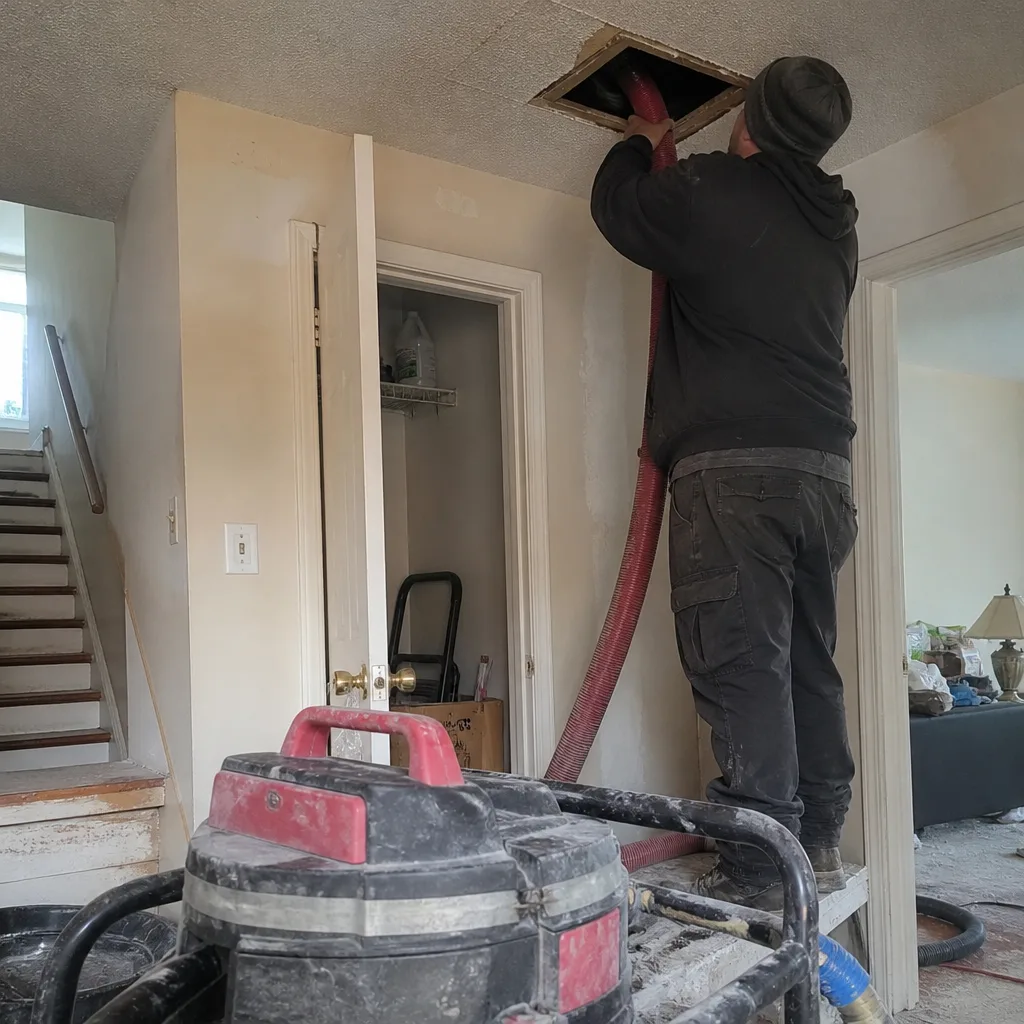 Before
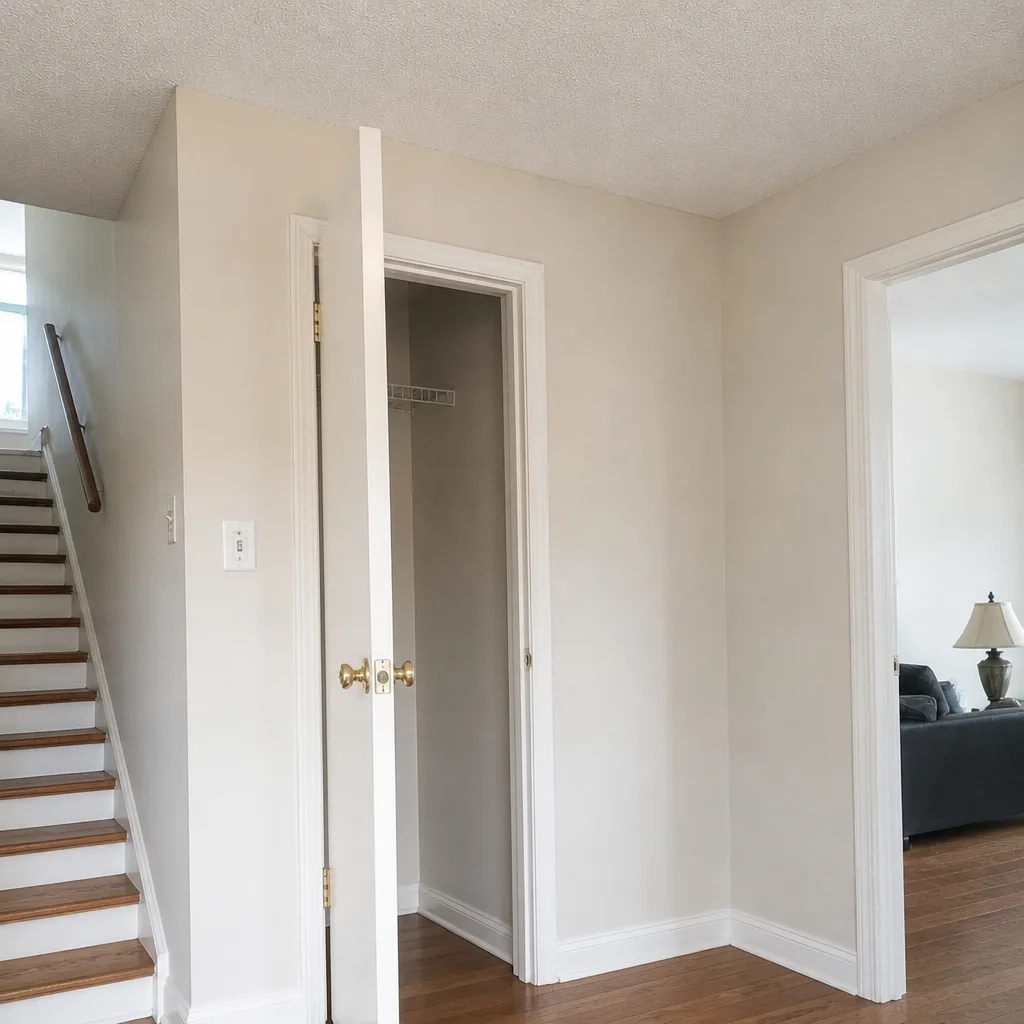 After
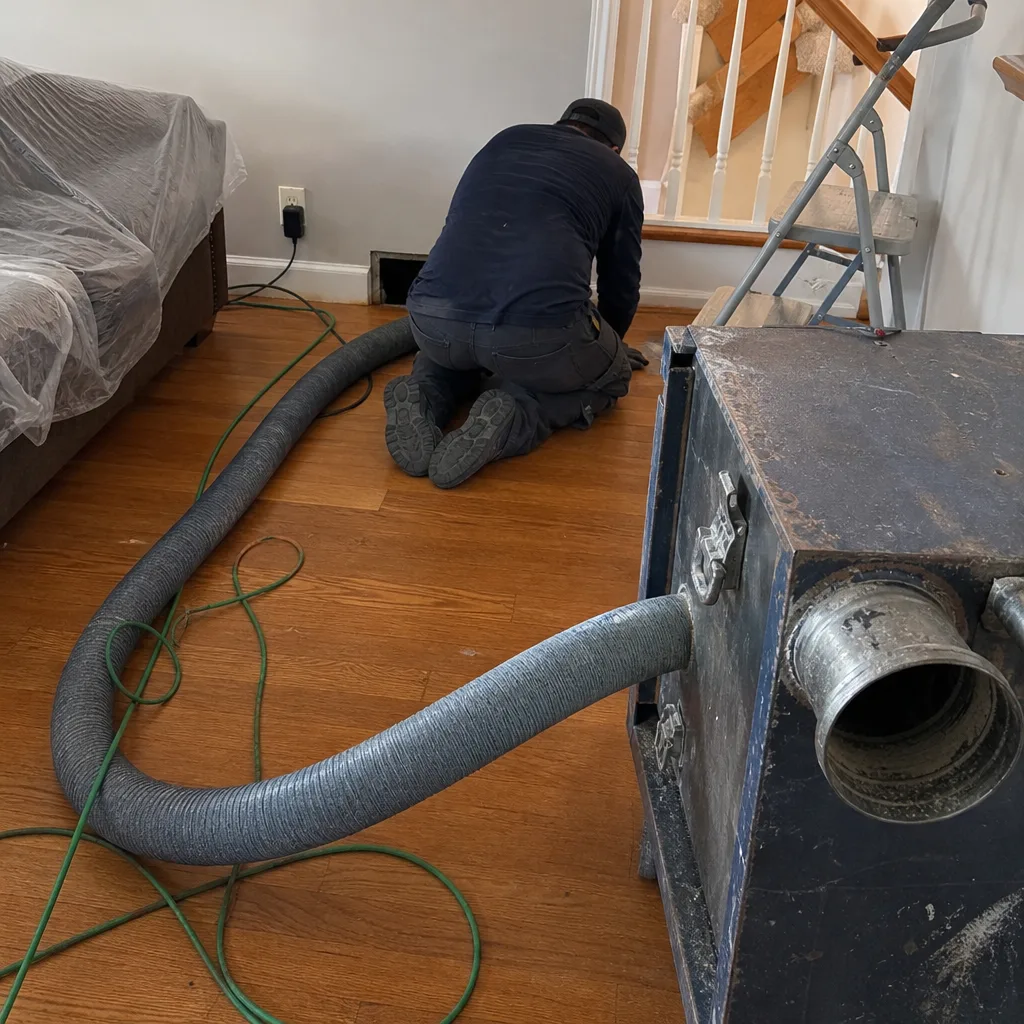 Before
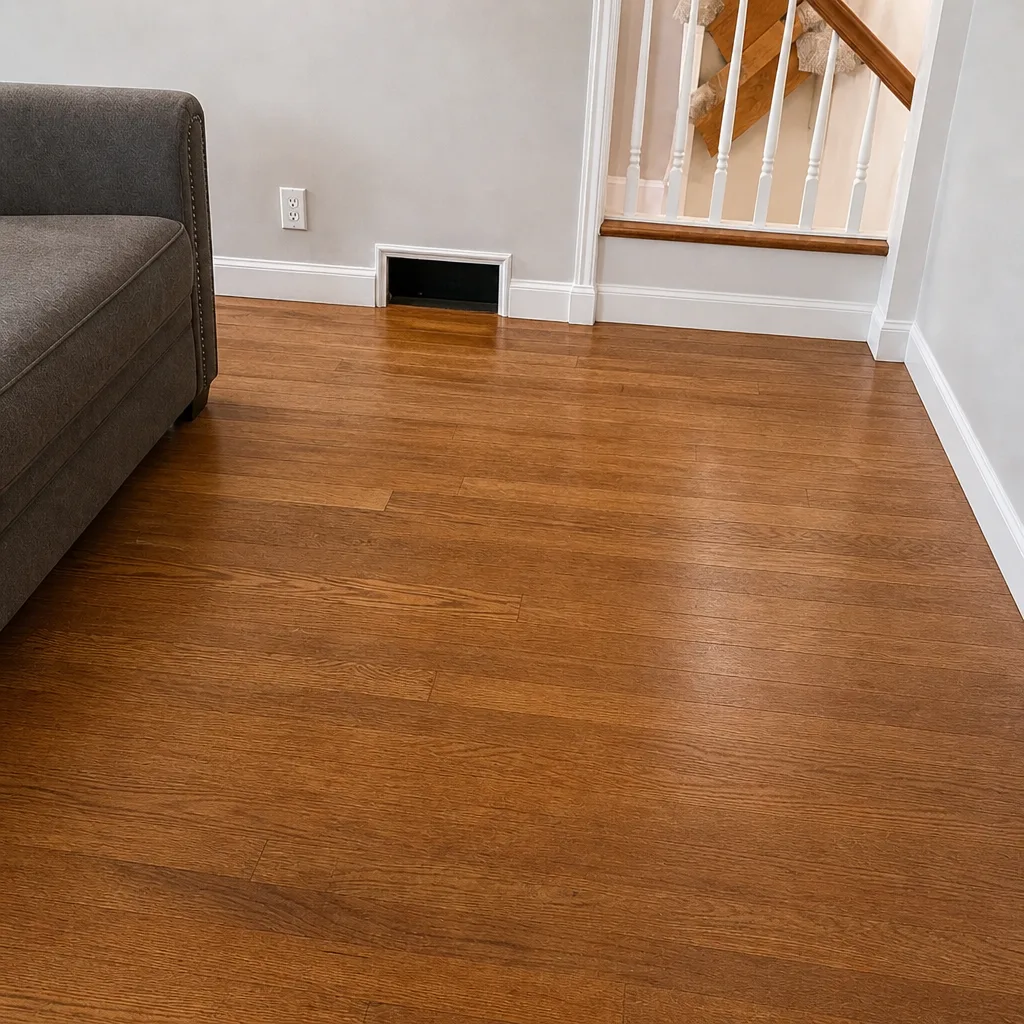 After
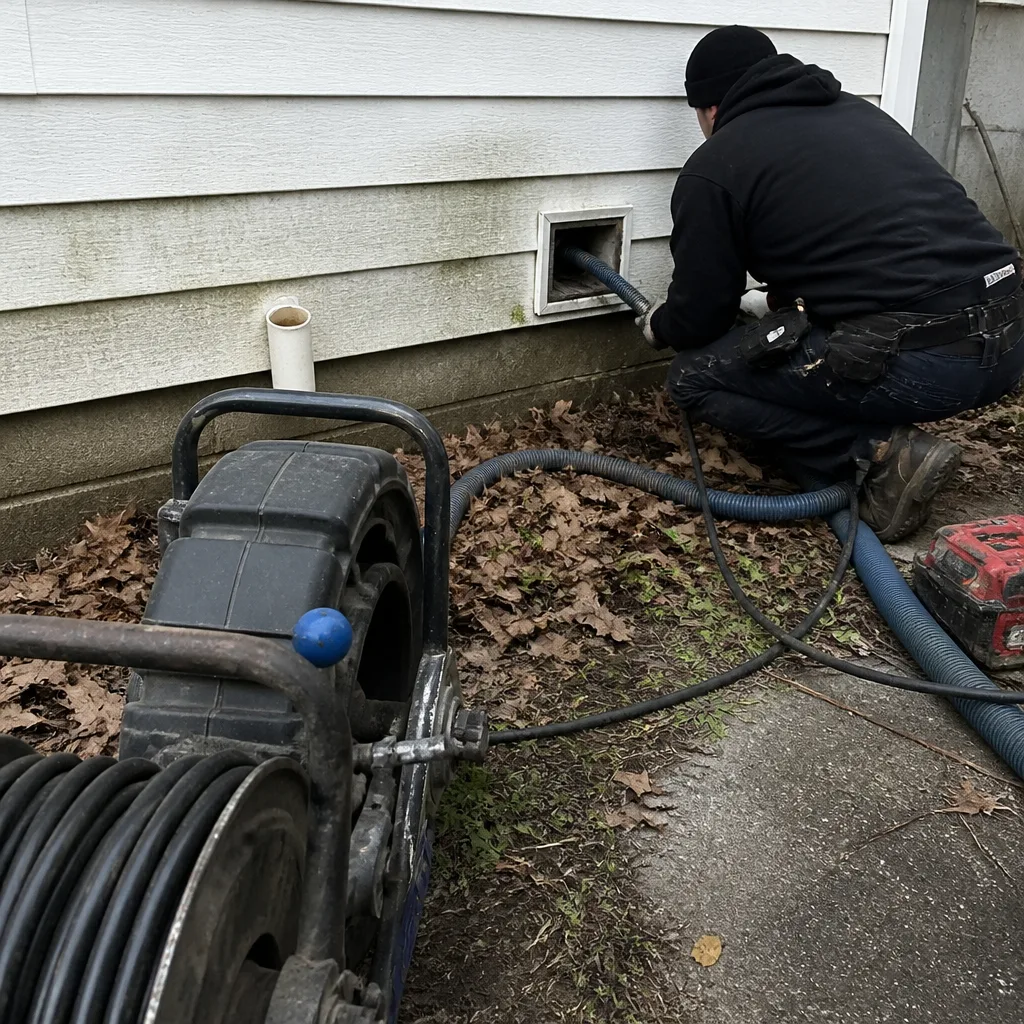 Before
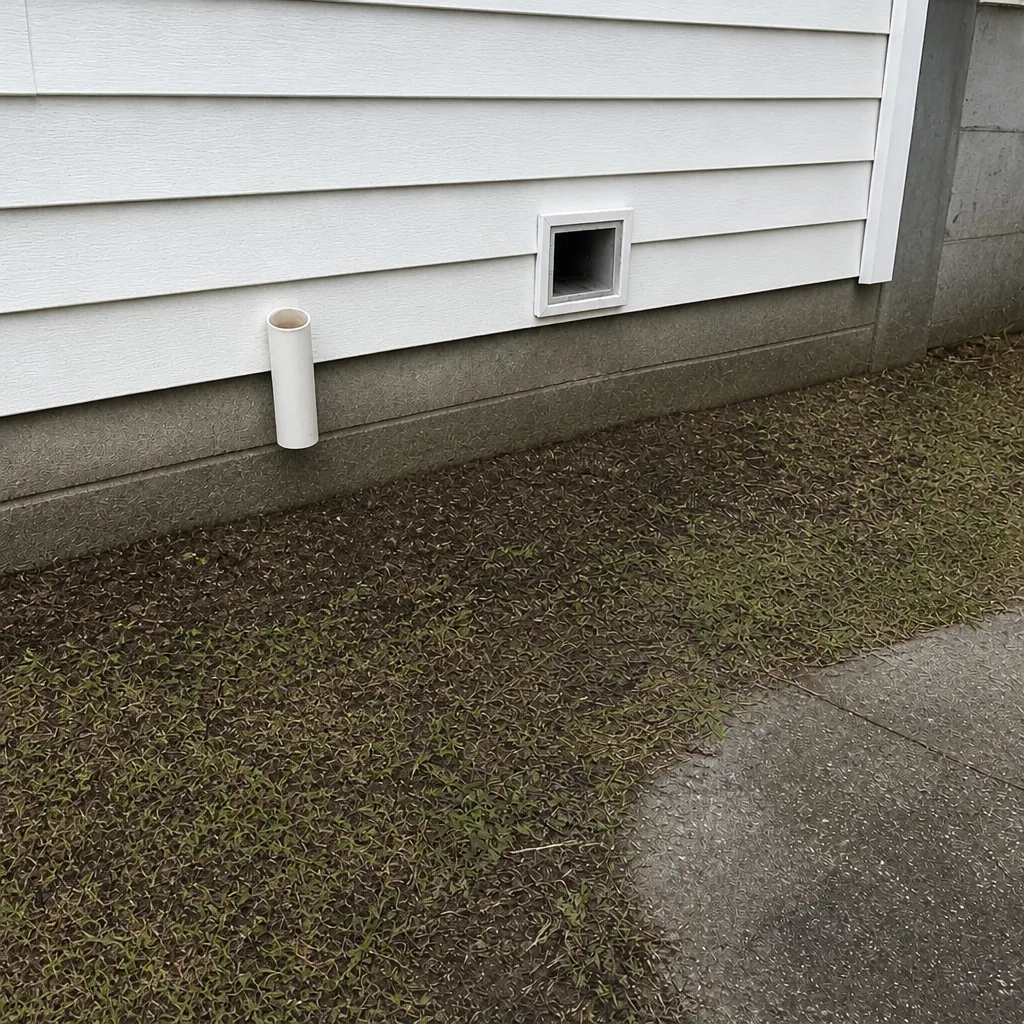 After
When to Call a Professional
Some seasonal tasks are homeowner jobs: filter changes, intake grille wiping, outdoor unit clearing. Others need a technician on site. Call a professional when you notice visible dust blowing from vents after a filter change, when the system’s airflow has dropped noticeably in a set of rooms, when there’s a persistent musty smell that doesn’t clear after a filter replacement, when a storm has brought water into attic or crawlspace near ductwork, or when a renovation has finished and construction dust has settled. Dryer vents fall into the same category for a different reason: they’re a known fire risk, and cleaning them is one of the highest-value safety services a homeowner can schedule. Duct Cleaning Chesapeake offers free estimates in Chesapeake. Call (855) 695-8132. We answer 24/7. Fast dispatch from 7am to 7pm, Sunday through Friday.
Frequently Asked Questions
Late May or early June is the best window for most homes in Chesapeake, because it falls after the spring pollen load has passed and before summer humidity and heavy AC use begin. Cleaning then clears the pollen and lets the system enter the humid months clean and dry. Homes with special circumstances (recent renovation, recent home purchase, allergy concerns) may need cleaning on a different schedule.
Once a year is enough for most homes, but not always at the same time of year, and not for every home. Homes with pets, allergy or asthma concerns, recent renovations, or unusually heavy pollen exposure may benefit from a fall inspection between annual cleanings. The decision is based on what the ducts look like and what the household’s exposures are, not on a standard frequency.
Yes. Chesapeake’s summer humidity is high enough that condensation forms on cold surfaces inside the system, and moisture plus dust is what biological growth needs. Insulation gaps in attic or crawlspace ductwork make it worse. Duct cleaning doesn’t fix a moisture problem on its own, so we usually pair it with an IAQ review (Honeywell and Aprilaire systems, for example) and a look at the duct insulation.
Ask before work starts how the technician documents the job. We photograph before-and-after conditions inside the ductwork so the homeowner can see what was pulled out. If a company won’t show you before-and-after documentation, that’s a signal to look elsewhere. Ask what equipment they’ll use, too. Rotobrush rotary-brush systems and Nikro negative-air machines are professional-grade and materially different from what a cut-rate operation brings.
Duct cleaning removes the accumulated dust, pollen, and debris that a running air system recirculates, which can reduce exposure in households where those materials are a concern. It isn’t a medical solution, and results vary by home, by season, and by the household’s specific sensitivities. A cleaning timed to late spring removes the pollen load that would otherwise circulate through the summer.
Change the filter at the right times (spring before AC season, fall after pollen load), vacuum intake grilles lightly, keep the outdoor unit clear of debris, and monitor indoor humidity so the system never has to run in a moisture-heavy environment. After a tropical storm or renovation, schedule an inspection rather than waiting for the next annual cleaning. Call (855) 695-8132 for an exact quote, and remember estimates are free. Our technicians have up to experience matching these seasonal recommendations to a specific home’s system.
The Bottom Line
Season timing does more for Chesapeake duct cleanliness than a fixed annual date. Spring is for prep: filter upgrade, intake check, outdoor unit clear. Late spring is for the cleaning itself, between the pollen load and the humidity. Summer is for monitoring moisture and airflow. Fall is for post-storm inspections and intake checks before the closed-house months. Winter is for IAQ system review and duct defect inspection, not the main cleaning. Match your schedule to that pattern and a single professional cleaning holds for most of the year, with a dryer vent cleaning and a filter discipline keeping the rest of it honest. If you’re unsure which season your home is actually in, call (855) 695-8132. We answer 24/7. Fast dispatch from 7am to 7pm, Sunday through Friday, and estimates are free.
Written by the team at Duct Cleaning Chesapeake.