
Last updated November 16, 2026
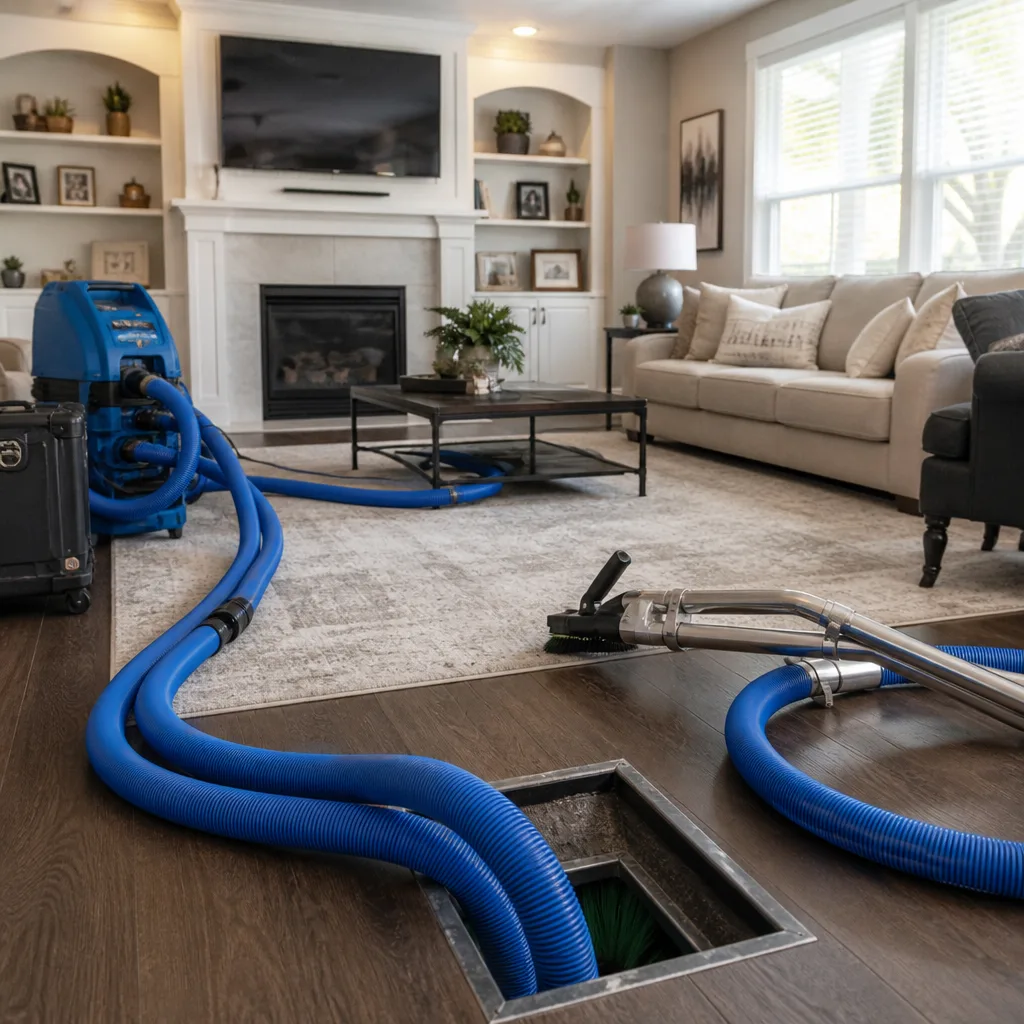 Whole-home duct cleaning
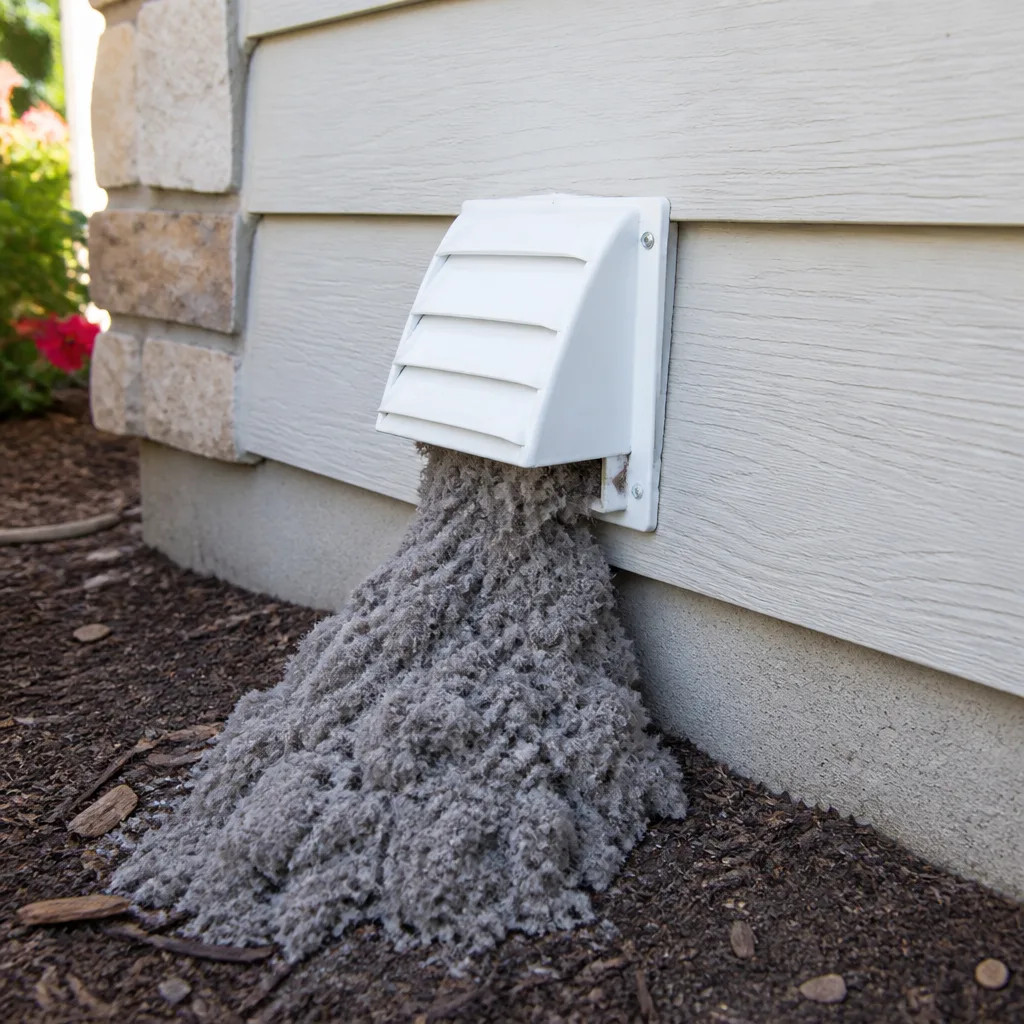 Dryer vent cleaning
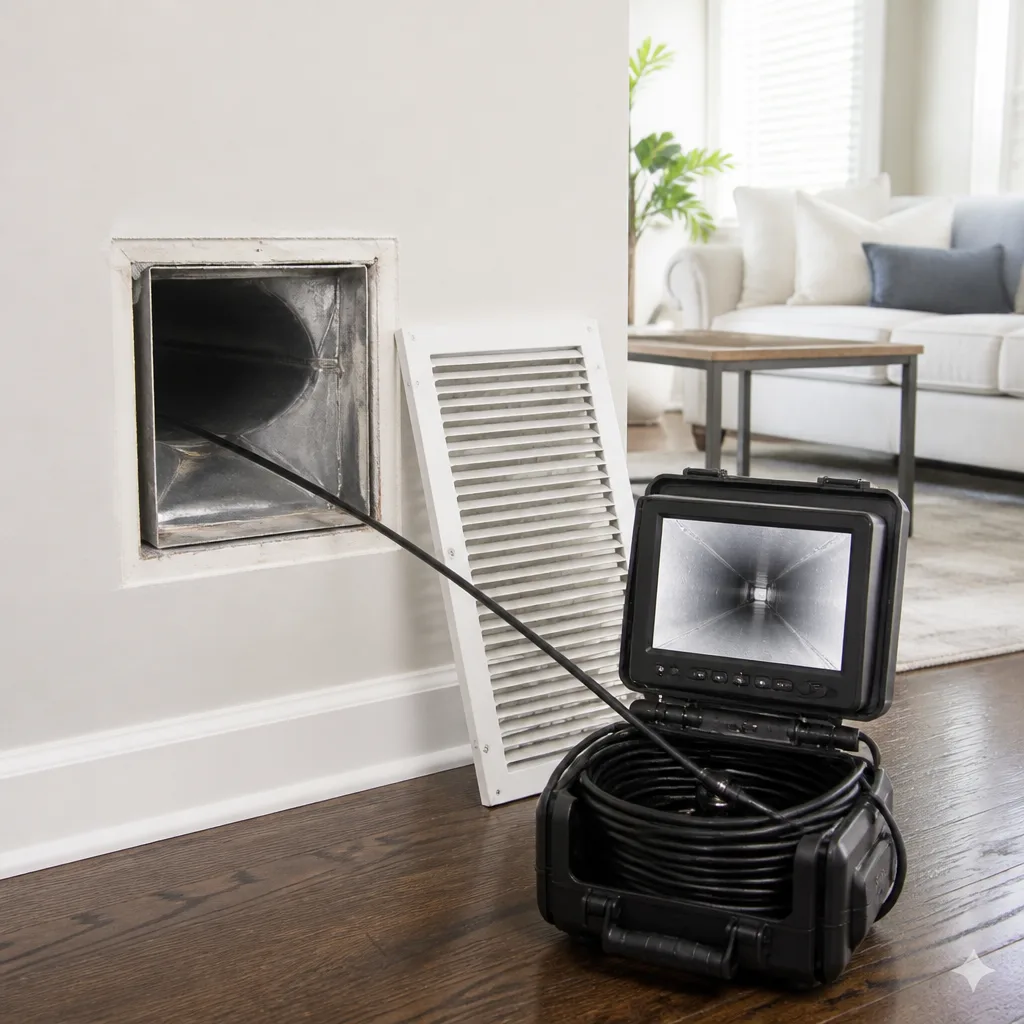 Camera inspection
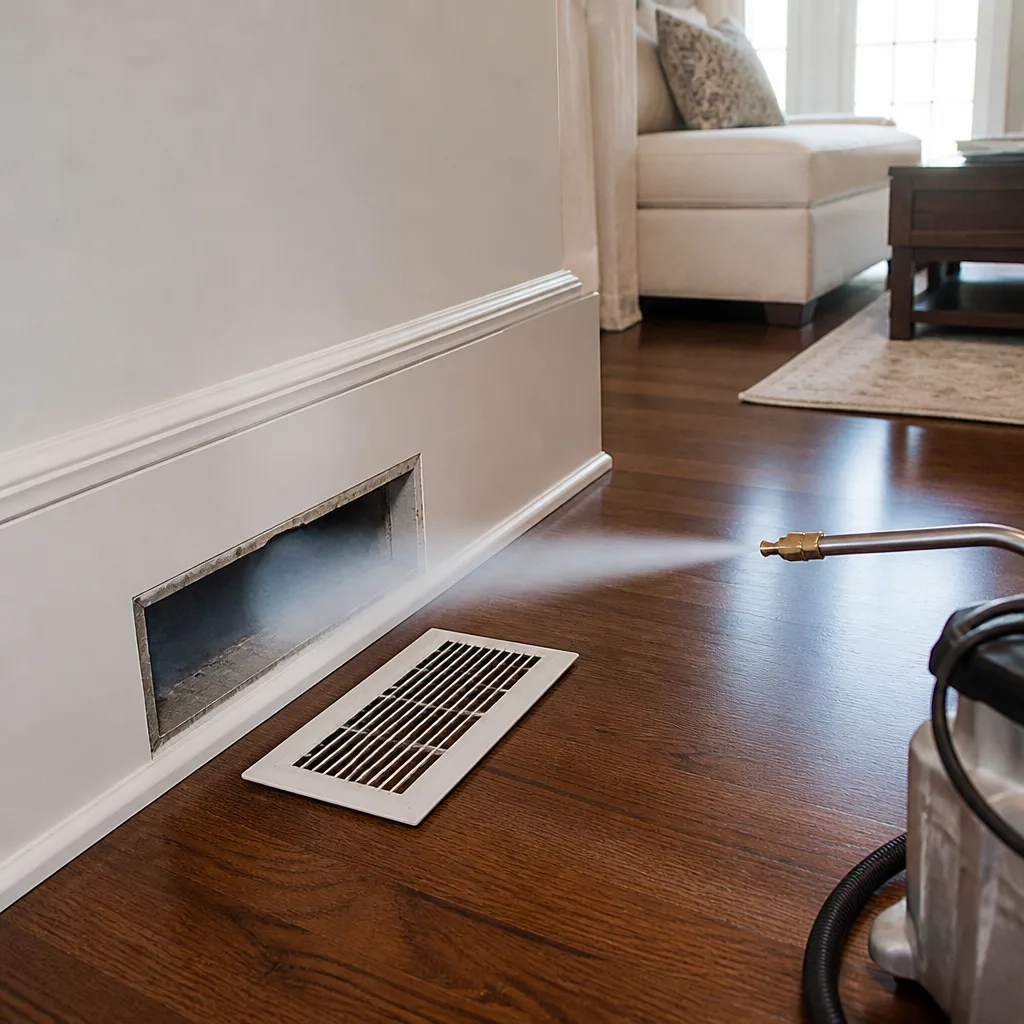 Sanitizing & deodorizing
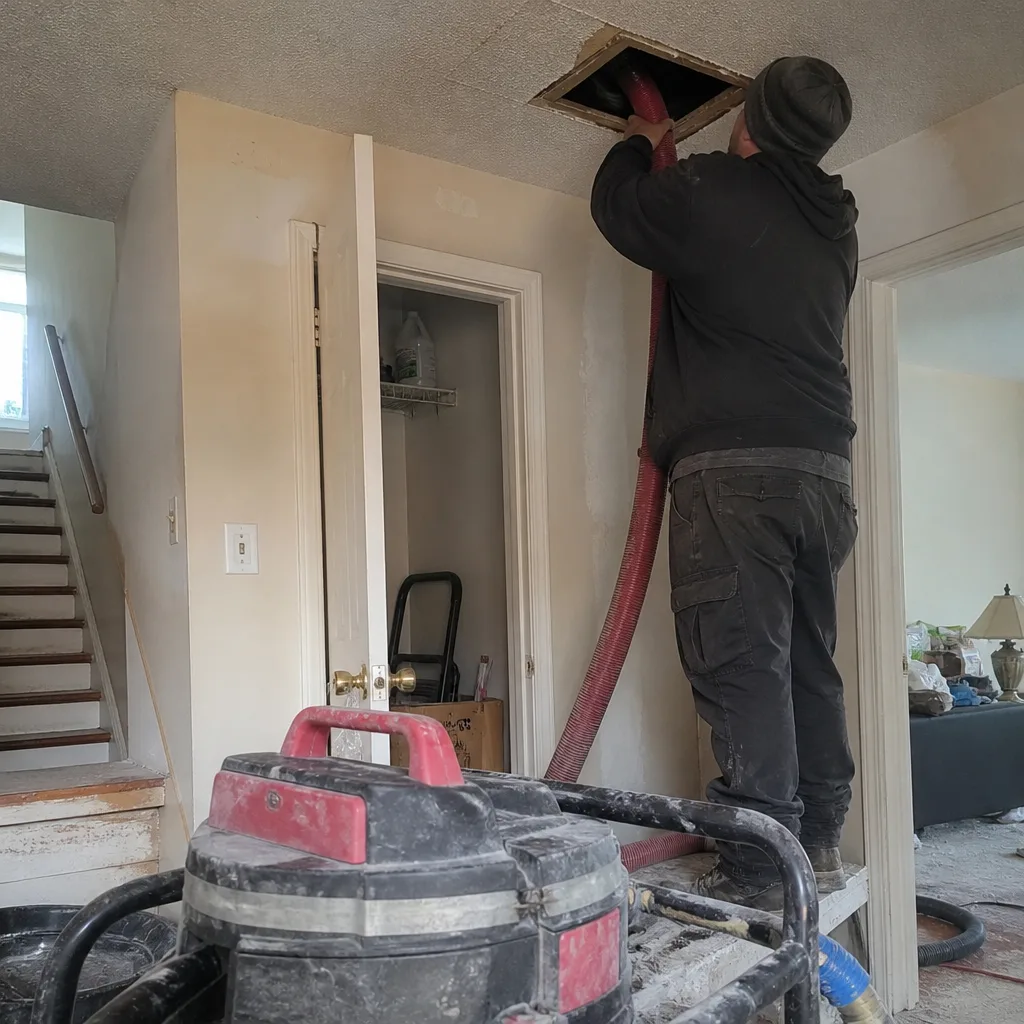
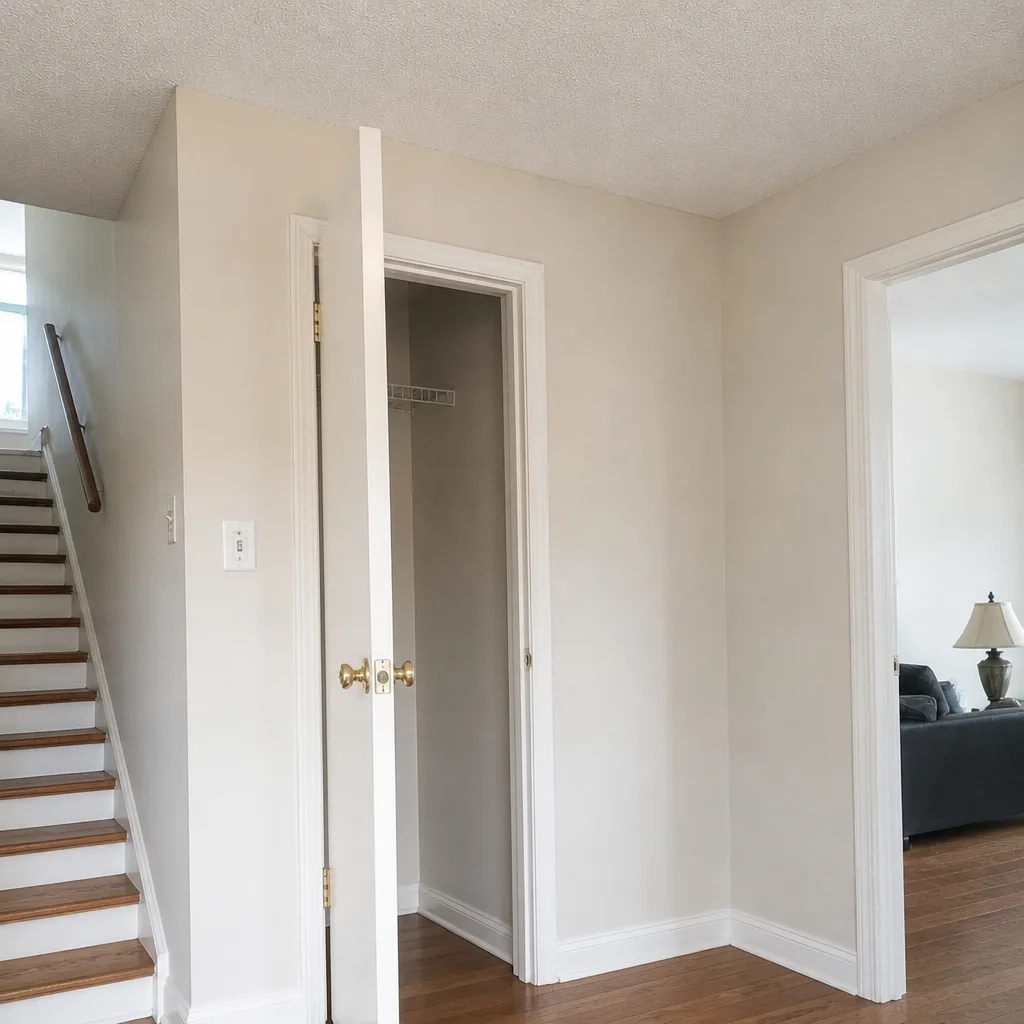
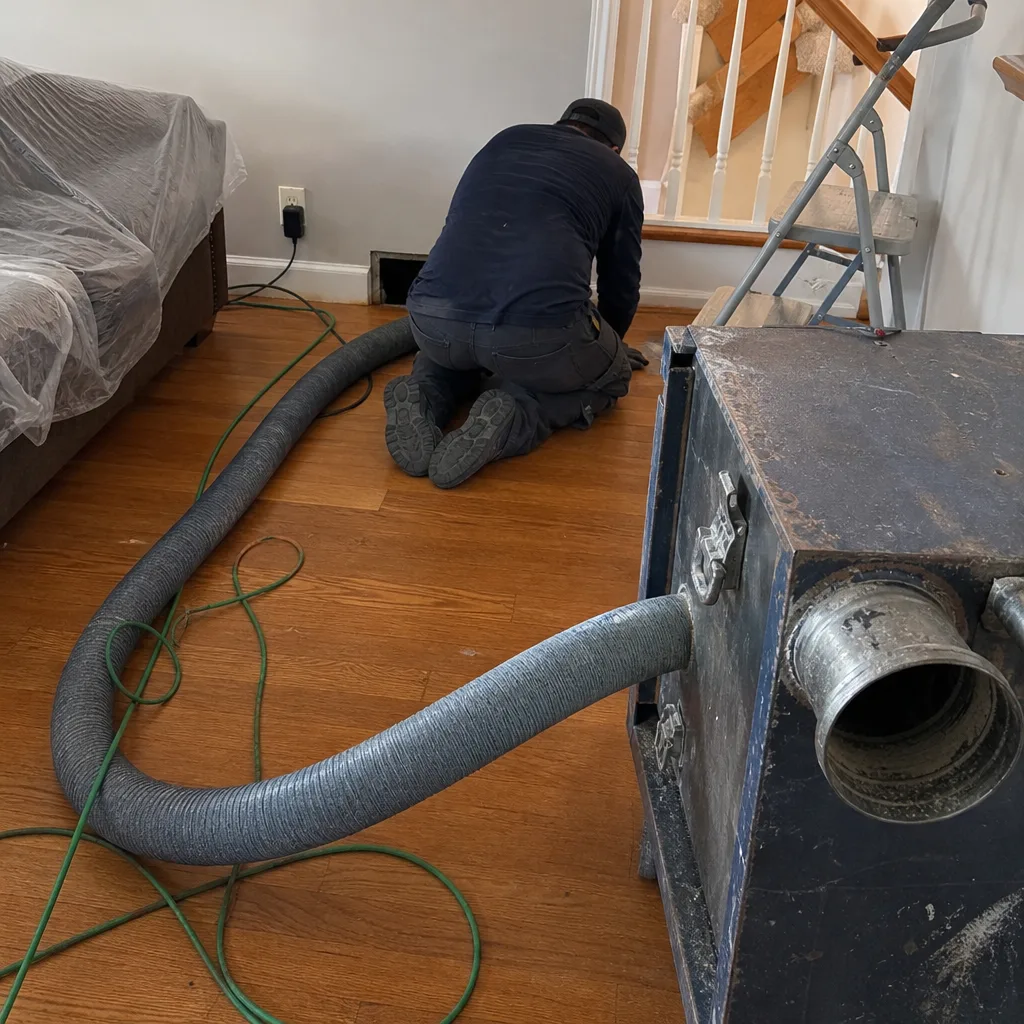
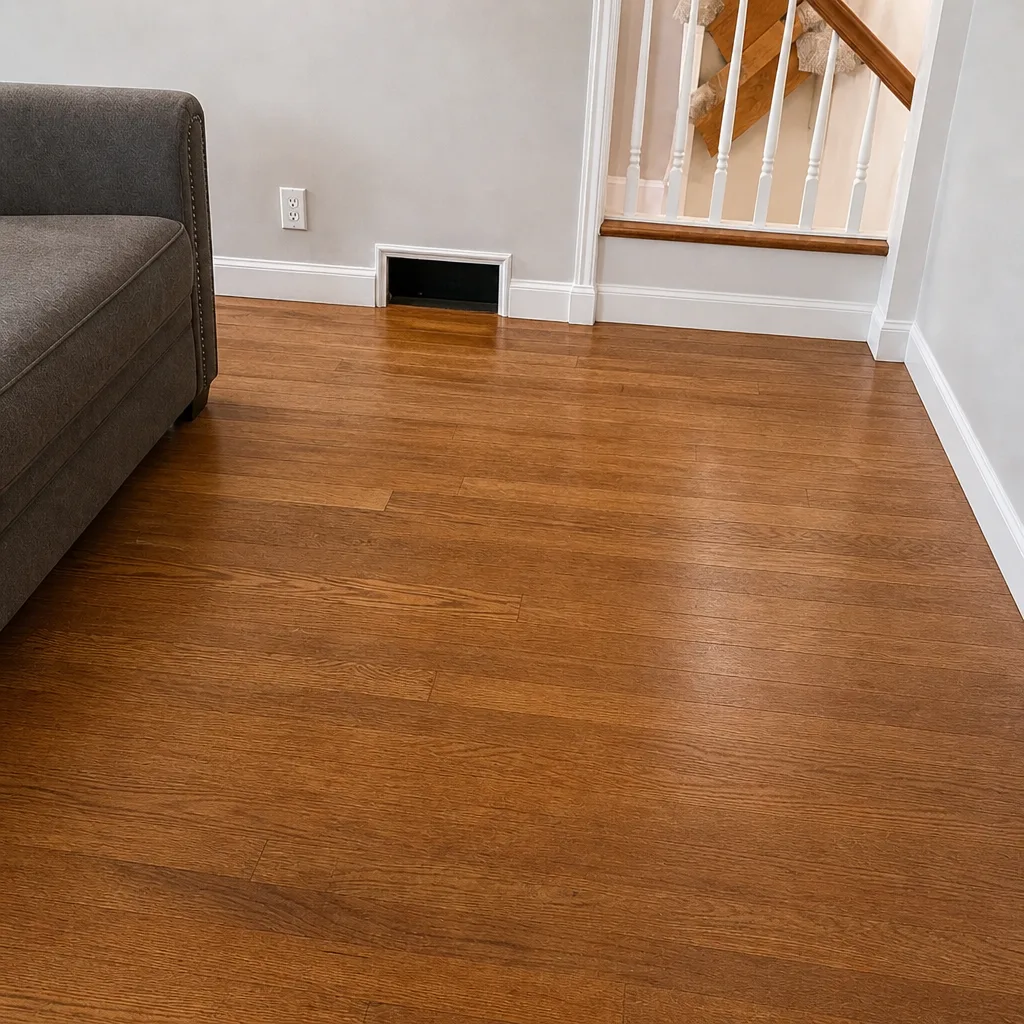
Whole-system duct and dryer vent check with before-and-after photos - you see exactly what came out of your vents
That "$99 whole-house special" is a bait ad - the real number appears once they are in your hallway, or the "clean" is a shop-vac at the register. We photograph the inside of your ducts before and after instead.
How to Hire an Air Duct Cleaning Contractor in Chesapeake: A Step-by-Step Guide
Most homeowners hire a duct cleaning contractor the same way they hire a plumber: they find the cheapest name on a flyer and let them in the door. That’s a mistake worth avoiding here in Chesapeake, because duct cleaning isn’t a regulated trade in Virginia. No state license specifically covers it, which means anyone with a van and a stack of business cards can call themselves a duct cleaning specialist. What separates a real contractor from a hustler isn’t paperwork. It’s equipment, method, and how they answer five direct questions. This guide walks you through the exact screening process so you can hire with confidence.
Quick Answer
Hiring an air duct cleaning contractor in Chesapeake means checking three things: whether they use professional-grade negative-air equipment (not shop vacuums), whether they’ll give you a written flat-price estimate before starting, and whether they can explain their method in plain language. Virginia doesn’t license duct cleaning specifically, so NADCA membership standards and the brands they put on-site are your best proxy for credibility. Ask about Rotobrush or Nikro equipment, negative pressure, and how they handle flex duct before anyone steps through your door.
Styles & brands we work with
- Whole-home duct cleaning
- Dryer vent cleaning
- Camera inspection
- Sanitizing & deodorizing
Table of Contents
- Virginia’s Regulatory Gap: Why Duct Cleaning Isn’t Licensed
- The Five Questions That Separate Specialists from Opportunists
- What Equipment Should They Bring?
- Three Common Scams in the Chesapeake Market
- What a Legitimate Written Estimate Includes
- How to Verify the Job After It’s Done
- When Duct Cleaning Actually Makes Sense (And When It Doesn’t)
- Special Considerations for Chesapeake Homes
Virginia’s Regulatory Gap: Why Duct Cleaning Isn’t Licensed
Here’s a fact that surprises most homeowners in Chesapeake: no state agency requires a license to clean air ducts. The Department of Professional and Occupational Regulation licenses HVAC contractors, electricians, plumbers, and a dozen other trades, but duct cleaning specifically doesn’t appear on that list. That regulatory void has real consequences. It means the barrier to entry is owning a van and printing business cards.
The industry’s own trade association, the National Air Duct Cleaners Association (NADCA), fills some of that gap by setting standards for equipment, training, and cleaning methodology. NADCA certification isn’t legally required in Virginia, but it’s the closest thing to a credential that means something. A contractor who’s invested in NADCA training has at least learned how cleaning should be done, what negative pressure means, and why containment matters.
“No license required” doesn’t mean “no standards exist.” It means the buyer has to do the vetting. That’s what the rest of this guide is about.
When you call a contractor, ask directly whether they’re NADCA certified, and don’t be shy about it. A credible company will answer without hesitation. A company that hedges or deflects has told you something useful already. Here at Duct Cleaning Chesapeake, we don’t claim certifications we can’t document, and we encourage every homeowner in Chesapeake to ask any contractor they’re considering the same questions.
What you’re really looking for isn’t a certificate. It’s a company that has built its operation around duct cleaning specifically, rather than treating it as a side hustle between furnace tune-ups.
The Five Questions That Separate Specialists from Opportunists
Before anyone touches your system, ask these five questions. The answers matter more than the price.
- “What equipment do you use?” Credible answer: specific brand names, like Rotobrush rotary-brush systems or Nikro negative-air machines. Vague answer: “professional equipment” or “a big vacuum.” Ask them to name the brands.
- “Do you clean under negative pressure?” Negative pressure means the system is under vacuum so that dislodged contaminants get pulled out, not pushed into living areas. If they don’t know the term, they’re not doing it.
- “How do you handle flex duct?” Flex duct is common in newer Chesapeake construction. It requires gentler tools than rigid metal duct or the liner can tear. A good answer mentions rotary brushes with adjustable speed or contact-only cleaning for delicate sections.
- “What does your written estimate include?” Credible answer: a flat price per system, with a scope that lists exactly what gets cleaned. Red flag: a per-vent price, or a quote that changes once they’re on-site.
- “Can you show me photos of my ducts before and after?” Credible answer: yes, every time. This is the single most useful verification tool you have.
Ask those five questions on the phone and you’ll eliminate 80% of the bad actors before they ever pull into your driveway. When we arrive, we tell homeowners the same thing: our air duct cleaning service uses Rotobrush and Nikro equipment under negative air pressure, and yes, you’ll get before-and-after photos of your own ducts.
What Equipment Should They Bring?
Equipment is the most concrete proxy for quality. Duct cleaning isn’t a job you can do with a shop vac. Proper cleaning requires three types of equipment working together.
- Contact tools: rotary brushes or whips that agitate debris off duct walls. Rotobrush systems are a common professional-grade choice because they combine a spinning brush head with built-in vacuum extraction.
- Negative-air machines: high-capacity vacuum units (like Nikro systems) that create constant suction during cleaning, pulling dislodged material out of the system rather than letting it drift into rooms.
- Containment and filtration: HEPA filtration and containment systems (such as Abatement Technologies units) that trap fine particulates at the machine. This is a remediation-grade standard, usually reserved for commercial or post-renovation work.
A contractor who shows up with a single handheld vacuum and a hose is doing contact-only cleaning with no containment. That’s not a deodorizer they’re skipping. It’s the difference between the debris leaving your house and the debris settling back into your carpet, your sofa, and your lungs. On top of that, a company that uses low-tier residential vacuums may actually make the problem worse by stirring settled dust into the air.
Ask to see the equipment. A real contractor will be glad to explain what each tool does. Here in Chesapeake we’re familiar with what old construction ductwork tends to look like, and we know containment is non-negotiable.
Three Common Scams in the Chesapeake Market
Duct cleaning attracts opportunists because it’s invisible work. Homeowners can’t see what’s happening inside their walls, so a dishonest contractor has room to invent problems. Watch for these three patterns.
Bait-and-switch pricing
The classic play: a low coupon price advertised in a flyer or online, then a much bigger invoice after the technician arrives. The quote was for “one vent,” it turns out, and you have fifteen. Or the tech claims he found something that wasn’t in the estimate. Ask for a flat price per system, in writing, before anyone shows up. Any reputable Chesapeake contractor will give you one.
“Mold found” upsells without lab evidence
Some contractors carry a flashlight and a moisture meter and magically find mold in every home they visit. Be skeptical. Visual dark spots on the flex duct interior are often normal construction debris or dust, not mold. If a contractor claims mold, ask for a swab test or air sample from a certified lab. Without that, you’re being sold a service you may not need.
Sanitizer sprays with no documented benefit
Fogging a duct system with a chemical “sanitizer” often adds $200 to $400 to the bill without changing the biological load in any meaningful way. Professional groups are cautious about this add-on because the effectiveness isn’t well-established and the chemicals can be irritating to sensitive people. If you have a family member with asthma or allergies, that’s the last thing you want sprayed into a system you breathe from all night. If a company insists the spray is essential, ask why. A reputable technician will tell you it’s optional, not required.
If you have a specific safety or mold concern, call a specialist trained on Duct Cleaning Chesapeake before committing to any service.
What a Legitimate Written Estimate Includes
An estimate is your contract. It should be in writing, on letterhead, and specific enough that you could hand it to a second contractor for comparison. Here’s what a legitimate estimate contains, and what’s missing from a quote that should worry you.
What should be there:
- The exact scope of work: which ducts, which plenum, whether the furnace and coil get cleaned, whether the dryer vent is included.
- A flat price per system, not per vent, not per hour, not per foot of duct.
- A description of the equipment that will be used on-site.
- Any add-on services priced separately (dryer vent cleaning, duct repair, IAQ systems).
- A stated definition of “system”: how many return trunks, how many supplies, what’s covered.
- Whether they’ll provide before-and-after photos.
What you shouldn’t see:
- A price that seems to double once they’re on-site.
- “Additional fees may apply” language without specifics.
- A coupon price in bold at the top with the real price relegated to the fine print.
- No written estimate at all, or a verbal quote that isn’t confirmed in writing.
When we quote air duct cleaning in Chesapeake, the written estimate sets the final price. We don’t do per-vent pricing, and we don’t add charges once work starts. Our prices are flat per system, and before-and-after photos come standard.
How to Verify the Job After It’s Done
The work is invisible, so verification has to be deliberate. Here’s what you should request after the job.
- Before-and-after photos of your ducts. Take a photo of a specific vent in a specific room before they start. Then check that same vent after. A real contractor will do this themselves and email you the set.
- A photo of the vacuum bag or container at the end. The volume of debris pulled out gives you a rough sense of what was in there. It also confirms the negative-air equipment was actually running.
- A written service summary. What was cleaned, what was inspected, whether any damage was found, and what products were used (if any).
- An inspection report if you ordered one. If a technician flagged anything – loose flex, a disconnected plenum, rodent entry points – that should be in writing. Duct repair is a separate service from cleaning, and a good contractor will tell you clearly when one is needed.
Walk through the house after the crew leaves. Check under every supply and return register. A little dust is normal, but visible loose debris on your floor or carpet suggests the containment wasn’t working. Reach into the register and feel for dust accumulation. If a vent is still coated a week later, something was missed.
If you’re in Chesapeake, ask specifically about neighborhood construction patterns. Older homes near Deep Creek and Great Bridge often have metal ductwork from the 1970s and 80s that’s easy to do well. Newer construction in Greenbrier and Hickory tends to use flex duct that needs gentler handling. A local contractor will know the difference without being prompted.
When Duct Cleaning Actually Makes Sense (And When It Doesn’t)
Duct cleaning isn’t an annual event for most homes. It’s a targeted service that makes sense in specific situations. The list below is the honest version.
- You’ve just bought a house. Previous owners’ habits, pets, and dust are now your air. Cleaning after closing is the cleanest reset.
- You’ve finished a renovation. Drywall dust, sawdust, and construction debris settle into your supply and return system. Get it cleaned before you run the system again.
- You’ve had a pest problem. Rodent droppings in ductwork are a genuine concern. Cleaning is only part of the fix; duct repair may be needed to seal entry points.
- You have visible debris coming out of registers. That’s not normal dust. Something is wrong inside the system.
- Someone in the house has worsening allergy or asthma symptoms with no other explanation. Duct cleaning may help, but check with a doctor first. Cleaning is not a medical intervention.
- You have water damage or visible microbial growth in the system. Cleaning alone won’t fix this. Mold remediation is a separate service, and you may need a specialist.
What doesn’t justify a cleaning: “It’s been a few years.” Duct systems don’t degrade on a schedule. They get dirty when something introduces dirt. If nothing has happened in your home – no renovation, no pests, no recent move, no visible debris – cleaning may not be a priority. A good contractor will tell you that honestly.
If your dryer vent is checked during that conversation, don’t skip it. dryer vent cleaning is a fire-safety service. Lint accumulates inside the vent duct and can ignite when the dryer runs hot. That’s a leading cause of residential fires, and it’s a separate problem from the HVAC duct system.
Special Considerations for Chesapeake Homes
A lot of newer Chesapeake construction uses flex duct rather than rigid metal ductwork. Flex duct is faster to install, which is why builders love it, but it’s also more fragile and prone to becoming loose at the connections. When it’s not installed properly, the liner can sag inside the duct, restricting airflow and trapping dust in ways that rigid duct simply doesn’t.
Any contractor cleaning flex duct needs to know three things: the brush must be adjustable to avoid tearing the liner, contact-only cleaning may be safer than aggressive agitation, and any loose connections found during the cleaning should be flagged, not ignored. That’s where a full-service capability matters. A company that only cleans ducts will tell you about a loose flex and leave. A company that also does duct repair will offer to fix it before putting the system back together. That’s why we frame duct repair as part of the same conversation, not a separate phone call.
Older homes around South Norfolk and Indian River are more likely to have rigid metal duct with exterior insulation. That’s more durable, but the insulation can degrade and harbor debris. Cleaning should include an inspection of that exterior wrap. If it’s torn, you’re losing energy efficiency and pulling unconditioned attic air into the system.
Honeywell and Aprilaire indoor-air-quality systems come up in Chesapeake homes that have been upgraded with whole-home filtration. If you have one of these installed, ask whether the contractor can clean and service the system, not just the ducts around it. That’s a different skill set than duct cleaning alone.
Common Mistakes to Avoid
- Choosing on price alone. The cheapest quote is usually the one with the biggest surprises once the technician is on-site. Pay for written scope, not for the phone number on the flyer.
- Skipping the equipment question. If they can’t name the equipment brands they use, they haven’t invested in the tools. Rotobrush, Nikro, and Abatement Technologies are the names to listen for.
- Accepting a verbal estimate. If it isn’t in writing with a flat price per system, it isn’t an estimate. It’s a guess.
- Paying extra for a “sanitizer mist.” In most cases this add-on has no documented benefit, and it can be irritating for sensitive occupants. Skip it unless there’s a specific reason.
- Believing “we found mold” without a lab test. Verbal claims aren’t evidence. Ask for a swab or air sample result or move on.
- Ignoring the dryer vent. It’s cheap, it’s quick, and skipping it is a fire risk. Get it cleaned at least once, and again whenever the lint screen fills faster than usual.
- Not asking for photos before and after. Photos are how you verify the work. Any contractor unwilling to provide them is asking you to take a lot on faith.
See the difference
 Before
 After
 Before
 After
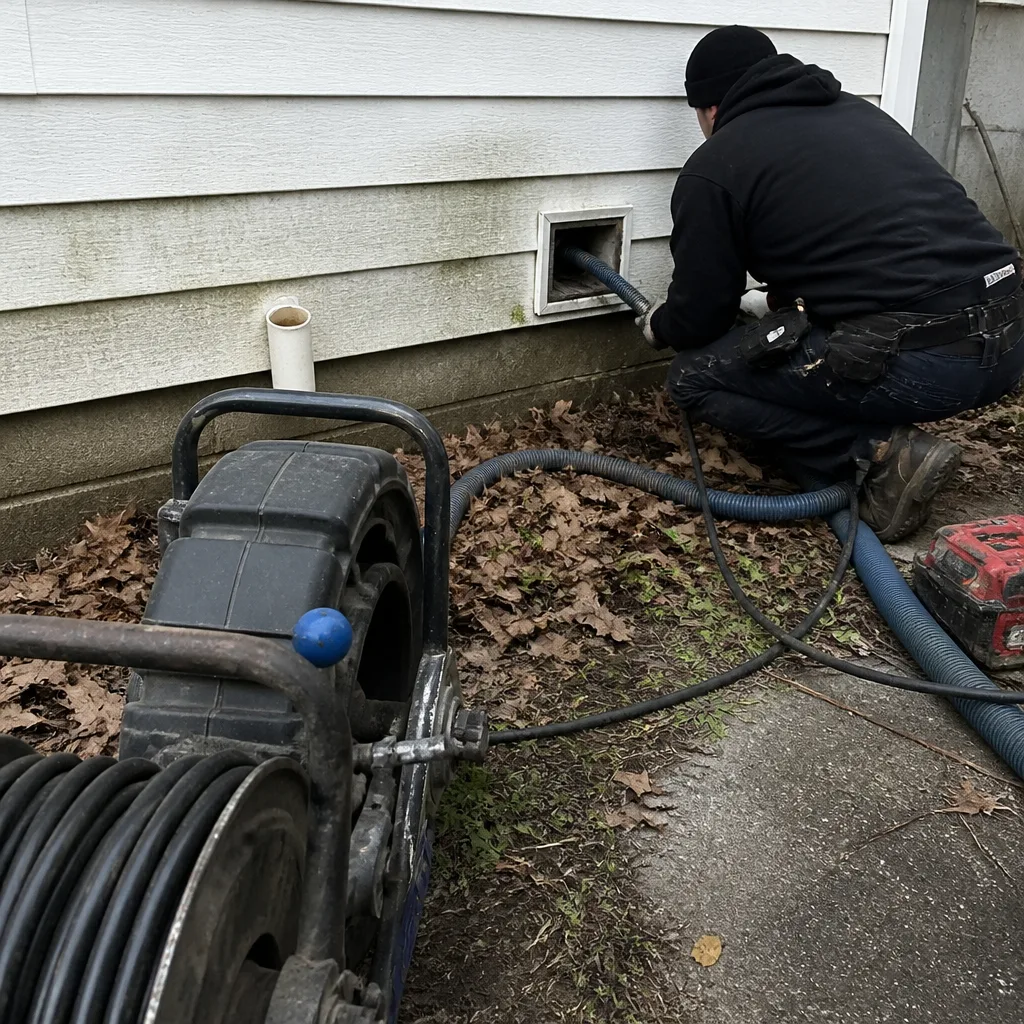 Before
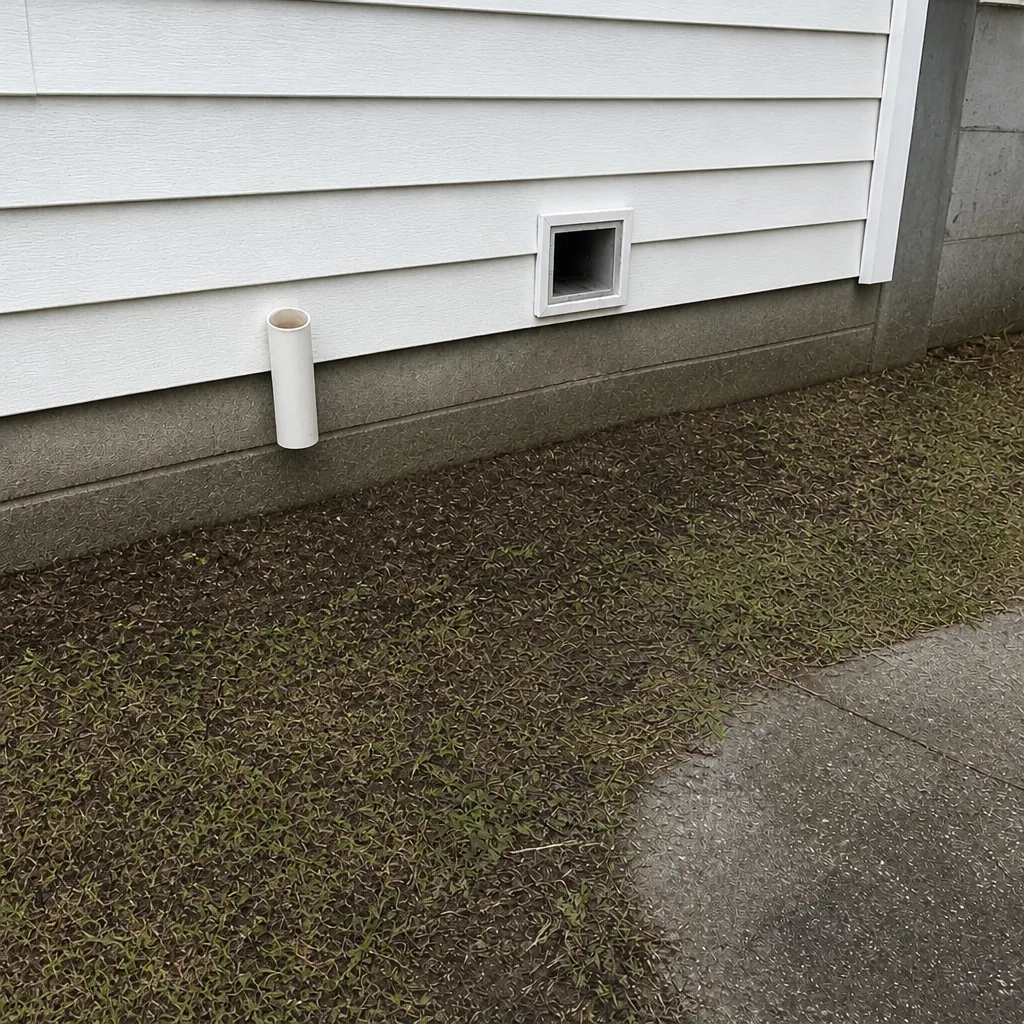 After
When to Call a Professional
Call a professional for anything involving your air system’s interior. That includes visible debris blowing out of registers, musty odors coming from vents, recent renovation dust, pest evidence inside ductwork, and any system where you’ve never had a cleaning and can’t account for its history. Call a professional if you’ve bought the house recently. Call if you’re moving in with family members who have respiratory conditions and the system hasn’t been inspected. Call if you’re unsure whether the flex duct in your attic is routed correctly, because that’s a repair problem, not a cleaning one.
What you shouldn’t do: open the duct system yourself, run a shop vac on a register, or spray anything into the ductwork that isn’t labeled for that use. Duct interiors are designed for sealed airflow, not homeowner intervention. A trained technician can inspect without disassembling anything you’d have to put back together.
Duct Cleaning Chesapeake offers free estimates in Chesapeake – call (855) 695-8132. We answer 24/7. Fast dispatch from 7am to 7pm, Sunday through Friday.
Frequently Asked Questions
Typical whole-system duct cleaning in the Chesapeake area runs somewhere in the range that reflects full negative-pressure cleaning with containment. Prices vary based on the number of systems, accessibility, and any repair needed. We quote flat per system, and the written estimate sets the final price. Call (855) 695-8132 for an exact quote – estimates are free.
Because they’re quoting a different service. A very low price usually covers a light brush-and-vacuum on the visible registers, not full negative-pressure cleaning of the duct runs. The invoice often grows once the technician is at your door. Ask specifically what a low quote includes, and ask for it in writing. Call us for a second opinion before signing anything.
Before-and-after photos of your own ducts, taken on-site. That’s the only real verification, and any contractor should provide it without being asked. Along with that, ask for a photo of the vacuum container at the end and a written service summary. If a contractor can’t produce photos, that’s your answer. For a scheduled estimate, call (855) 695-8132.
Most homes don’t need it on a fixed schedule. It makes sense after a move, after renovation, after a pest problem, or when you can see debris coming out of registers. Between those events, there’s usually no need. Our technicians have up to 11 years of experience, and they’ll tell you honestly when cleaning isn’t a priority.
No. Virginia does not require a specific license for duct cleaning, which is why NADCA standards and equipment choices matter so much. Ask about NADCA membership, ask which equipment brands they use, and ask whether they clean under negative pressure. A contractor who answers all three clearly is generally the one to hire. Call (855) 695-8132 to schedule a free estimate.
It may reduce the dust and particulate load in the system, which can help some households, but it isn’t a treatment for any medical condition. Check with your doctor first. If a contractor promises allergy relief, that’s a red flag – no cleaning service can make that claim. What we can do is clean the system thoroughly, contain the debris, and offer duct repair where damage is contributing to air quality problems. Call us to discuss a specific situation.
The Bottom Line
Hiring a duct cleaning contractor in Chesapeake comes down to five questions and three checks: equipment brands, negative pressure, flex duct method, written flat pricing per system, and before-and-after photos. If a contractor clears those five, you’re in good shape. If they dodge any of them, move on. Virginia’s licensing gap means nobody is watching the industry for you, so those five questions are your only line of defense. Ask them, expect specifics, and don’t sign anything that isn’t written.
If you’re ready for a free, no-pressure estimate from specialists who use Rotobrush and Nikro equipment and clean under negative pressure, call Duct Cleaning Chesapeake at (855) 695-8132. We answer 24/7. Fast dispatch from 7am to 7pm, Sunday through Friday. We’ll ask you the same questions we’re asking you to ask of us, and we’ll show you exactly what we’re doing from start to finish.
Written by the team at Duct Cleaning Chesapeake.