
Last updated November 16, 2026
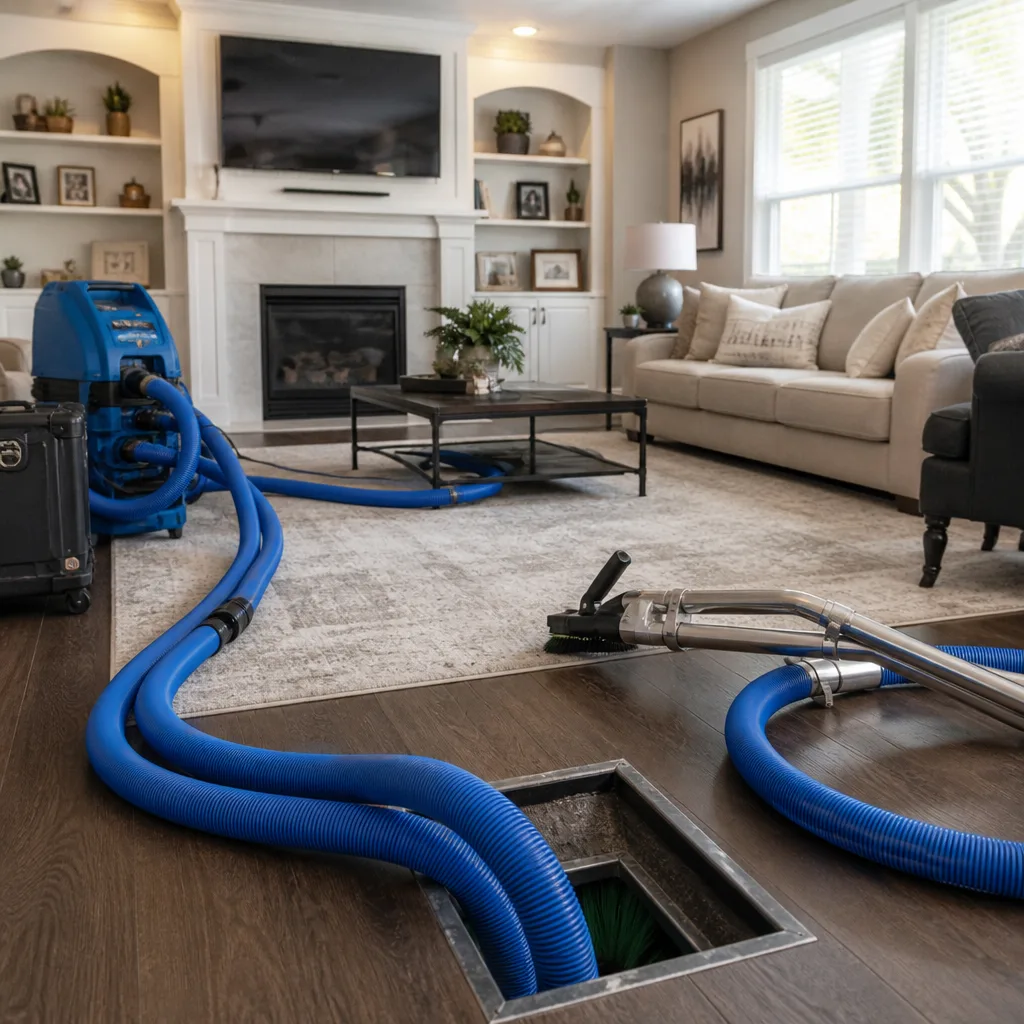 Whole-home duct cleaning
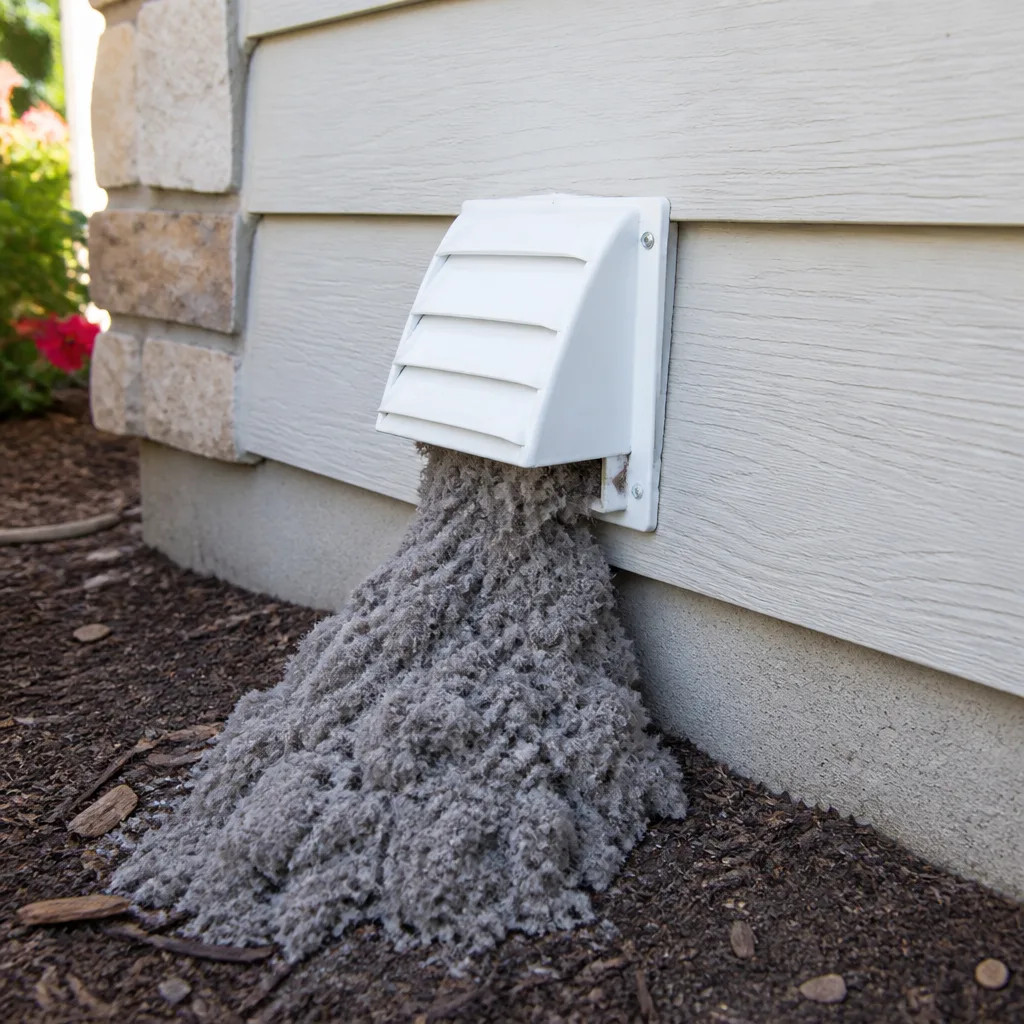 Dryer vent cleaning
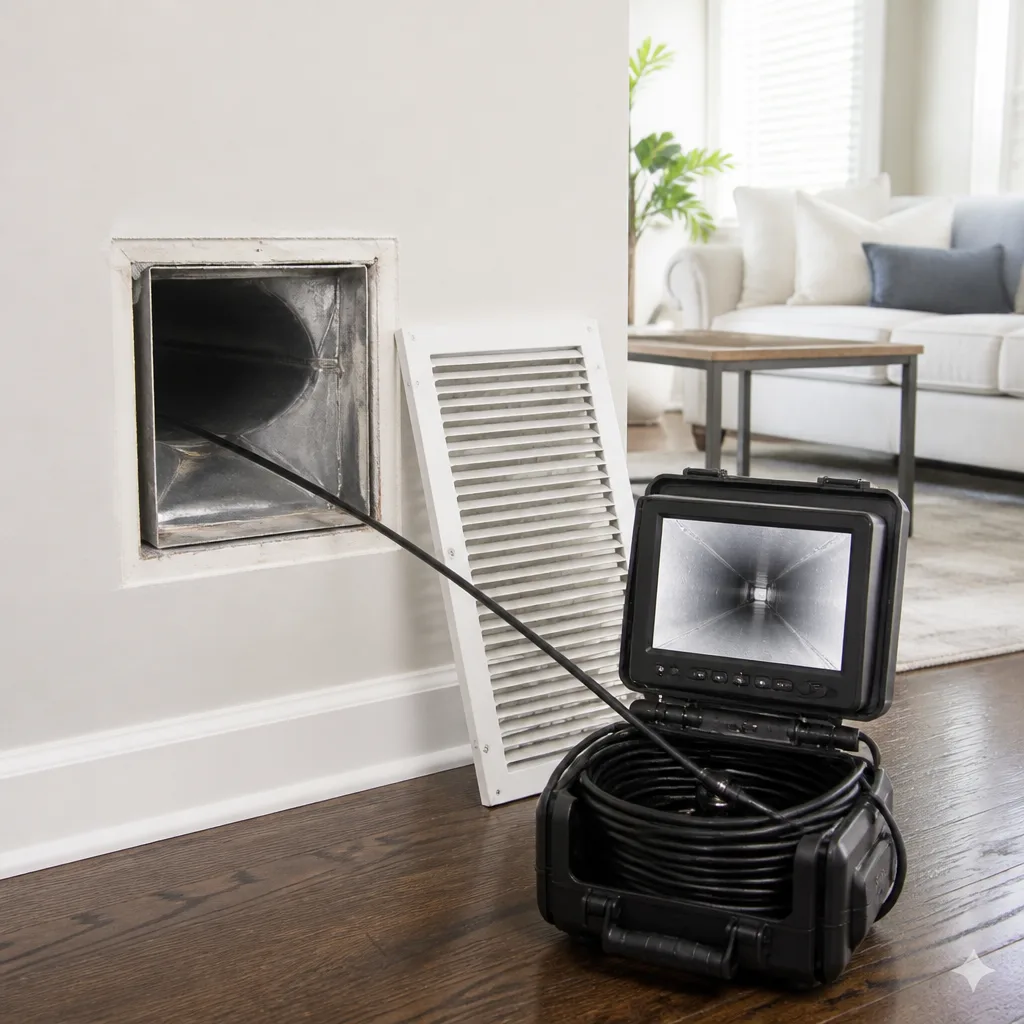 Camera inspection
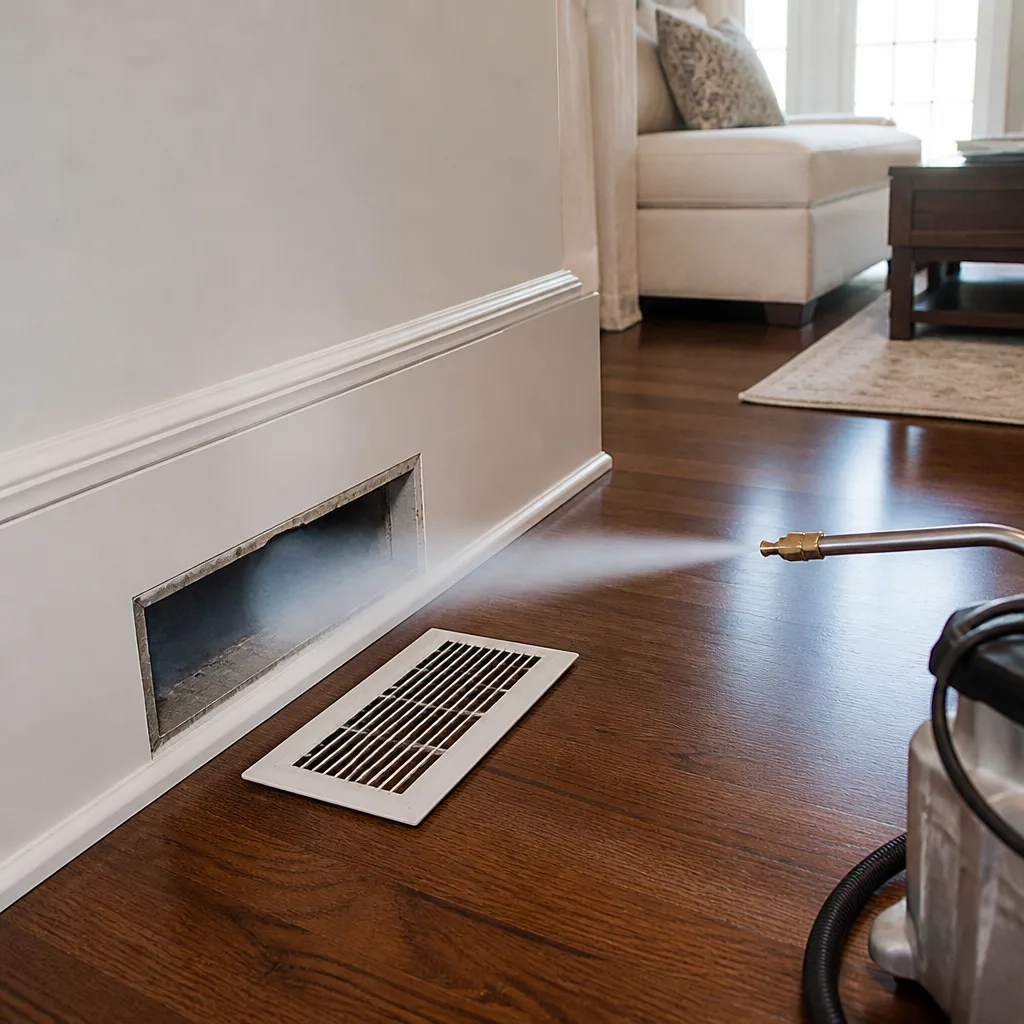 Sanitizing & deodorizing
Whole-system duct and dryer vent check with before-and-after photos - you see exactly what came out of your vents
That "$99 whole-house special" is a bait ad - the real number appears once they are in your hallway, or the "clean" is a shop-vac at the register. We photograph the inside of your ducts before and after instead.
DIY vs Professional Air Duct Cleaning: The Chesapeake Homeowner’s Decision Guide
Every DIY air duct cleaning tutorial online has the same star: a shop vac and a length of hose. That’s also the problem. A shop vac pulls roughly 1 to 2 inches of water column of suction. The negative-air machines used in professional duct cleaning generate far more, and that gap is the whole story. Debris packed against the walls of a duct doesn’t loosen because someone means well. It loosens when the pressure behind it is strong enough to lift it and the containment around it is tight enough to catch it. In this guide we’ll show you exactly where that equipment line falls, what you can genuinely handle yourself in a Chesapeake home, and how to decide which side of it your job sits on.
Quick Answer
DIY air duct cleaning is worth doing for surface-level maintenance like vacuuming supply registers and changing filters, but it can’t remove contamination from inside the duct runs themselves. Professional cleaning in Chesapeake is the right call when you can see debris blowing out of registers, when a renovation or move-in has left construction dust in the system, or when anyone in the house has allergies or asthma. The line isn’t skill. It’s equipment and containment.
Styles & brands we work with
- Whole-home duct cleaning
- Dryer vent cleaning
- Camera inspection
- Sanitizing & deodorizing
Table of Contents
- The Equipment Gap, Measured
- What You Can Legitimately Do Yourself
- The Specific Risks of DIY Cleaning in Chesapeake Homes
- Rental Equipment: What It Can and Can’t Do
- The Honest Decision Framework
- What Professional Duct Cleaning Actually Involves
- DIY vs Professional Cost in Chesapeake
- Duct Repair and Dryer Vents: Where DIY Stops
The Equipment Gap, Measured
Most “DIY vs professional” comparisons stop at “professionals have better tools.” That’s not useful. Here’s the actual gap in numbers you can compare.
- Suction pressure: A typical homeowner shop vac generates around 1 to 2 inches of water column. Professional negative-air units and truck-mounted systems run several times that, because removing debris from a duct wall requires enough vacuum to overcome the adhesion holding it there.
- Airflow (CFM): Shop vacs move a modest volume of air through a narrow hose. Professional duct cleaning systems move hundreds of cubic feet per minute through the full duct cross-section, which is what keeps loosened debris suspended long enough to be captured rather than dropped.
- Filtration rating: A shop vac filter is designed to catch sawdust and shop debris. Professional containment uses HEPA-grade filtration, which is the standard in restoration and abatement work. The difference matters, because particles small enough to pass a shop vac filter are exactly the ones that stay airborne in your living space.
- Agitation: Suction alone doesn’t lift caked dust. Rotary brush systems physically scrub the duct walls while the vacuum pulls, and compressed air whips loosen debris in the corners a brush can’t reach.
That’s the point of the air duct cleaning we perform: commercial-grade equipment brought into a home, not a scaled-up vacuum. When we run a Rotobrush rotary-brush system alongside a Nikro negative-air machine, the goal is to put the entire duct system under negative pressure before anything is disturbed. Without that, you’re not removing contamination. You’re relocating it.
Chesapeake homes make this concrete. Many were built with long, flex-duct runs through unconditioned attic space, and flex duct has a ribbed interior liner that traps dust in every corrugation. A shop vac nozzle gliding over that surface doesn’t reach into the ribs. A rotary brush does. Same duct, same dust, very different result.
What You Can Legitimately Do Yourself
We’re not going to tell you every part of duct maintenance requires a professional. Several tasks are genuinely homeowner work, and doing them correctly extends the life of your system.
- Clean the supply and return registers. Remove each grille, wash it in the sink with warm soapy water, dry it fully, and vacuum the visible boot behind it with a brush attachment. This handles the surface dust that settles on the face of the register, which is a real part of what you see blowing around a room.
- Replace the filter on schedule. Check it monthly during heavy heating and cooling seasons. A clogged filter restricts airflow, which raises static pressure in the ducts and can make the system work harder than it should. Write the install date on the edge with a marker so you stop guessing.
- Seal obvious register gaps. If you can feel air escaping around a grille frame, a bead of caulk or a foam gasket closes it. Small leaks add up across a whole house.
- Inspect the dryer vent. Pull the dryer out, disconnect the vent, and look inside with a flashlight. If you see lint accumulation or the exterior flap doesn’t open freely when the dryer runs, that’s information you need. Cleaning the full run is a separate matter, covered below.
- Keep the return grilles clear. Furniture, rugs and boxes pushed against a return restrict airflow just as effectively as a dirty filter.
None of these require special equipment beyond a vacuum with a brush attachment and a screwdriver. All of them help. What they don’t do is clean the inside of the duct runs, and that’s where the contamination that matters actually sits.
The Specific Risks of DIY Cleaning in Chesapeake Homes
The risk of DIY duct cleaning isn’t that a homeowner will injure themselves. It’s that the attempt makes indoor air quality worse while looking like it helped. Here’s how that happens.
Dislodging debris into the air stream
Loosening dust without adequate negative pressure is the central failure mode. A shop vac hose jammed into a register can knock years of accumulated debris off the duct walls, and if the vacuum can’t capture it, that debris flows into the living space the next time the system runs. You’ve moved the problem from the duct to your breathing air. That’s a worse outcome than leaving it alone.
Damaging flex duct liner
Flex duct is common in Chesapeake attics and crawl spaces, and its inner liner is thin. An aggressive shop vac nozzle or a rigid wand pushed too far can tear that liner. A torn liner becomes a catch point for dust and a path for air to bypass the insulation, and the fix is duct replacement, not cleaning. Professional rotary brushes are sized and tensioned for the duct type; a shop vac wand isn’t.
Disturbing growth without containing it
If there’s visible growth inside a duct system, disturbing it without containment spreads spores throughout the house. That’s why professional work puts the system under negative pressure before cleaning begins and runs the exhaust through HEPA filtration. This is a case where the honest answer is that duct cleaning alone may not be the right service, and a conversation about what’s actually in the system comes first.
The Hampton Roads humidity factor
Chesapeake’s summers are humid, and humidity is what makes dust in a duct system stick and clump rather than stay loose. A homeowner with a shop vac is trying to lift material that’s been baked onto the duct wall through a decade of damp cooling seasons. It doesn’t lift. It smears. That’s a big part of why DIY results in this climate look worse than the tutorials suggest.
Rental Equipment: What It Can and Can’t Do
This is the question we hear most often, and it deserves a straight answer. Home improvement rental centers do carry duct cleaning equipment. Here’s what you’re actually renting.
- What’s typically available: a portable negative-air machine or a high-powered vacuum with a length of flexible hose and a brush head. Some locations rent rotary brush attachments.
- What it can accomplish: decent surface cleaning of accessible trunk lines and the first few feet of branch runs. If your ducts were cleaned recently and you want to knock down light dust, rental equipment can help.
- What it can’t accomplish: full-system negative pressure. A portable rental unit doesn’t have the CFM or the filtration to pull an entire residential system negative, so dislodged debris has somewhere to go other than the machine. Rental units also rarely reach deep into long flex runs or around tight turns.
- The math problem: rental cost plus your weekend plus the risk of a torn liner often lands close to what a professional whole-system clean costs, and the professional job includes containment and before-and-after photos of your own ducts. When the rental math works, it’s for light maintenance on a system that’s already clean. When it doesn’t, it’s for exactly the jobs that need real equipment.
Our technicians have up to 11 years of experience, and the pattern is consistent: rental attempts on heavily contaminated systems tend to end with a call for professional cleaning anyway, plus a duct repair if a liner got torn along the way.
The Honest Decision Framework
We’d rather you make a well-informed call than a defensive one. Use these four factors.
Home size and duct layout
A smaller home with short, accessible duct runs and a system that’s been maintained is a candidate for DIY surface maintenance. A larger Chesapeake home with long attic flex runs, multiple zones and hard-to-reach trunk lines is not. The more ductwork you can’t see, the more the job depends on equipment you can’t rent.
Contamination type
Light household dust: DIY maintenance is reasonable. Construction dust after a renovation, pet dander buildup over years, visible debris at the registers, or musty odors when the system runs: professional cleaning. Contamination type drives the decision more than anything else on this list.
Budget reality
Transparent pricing beats a cheap headline. Ask for a whole-system quote before work starts and be suspicious of a per-vent price quoted over the phone. A per-vent model rewards counting registers, not cleaning ducts.
Health sensitivity
If anyone in the household has asthma, significant allergies, or is an infant or older adult, the margin for a failed DIY attempt is thin. In our experience, families managing respiratory conditions are the homeowners who benefit most from proper containment during cleaning, because the whole point is not adding particles to the air.
What Professional Duct Cleaning Actually Involves
Knowing what a real job looks like is the best defense against a bad one. Here’s the sequence, step by step.
- Inspection first. The technician opens registers, checks the air handler, and looks at the duct material and condition before touching anything. If there’s damage or a liner problem, that changes the plan.
- Containment setup. Negative-air equipment connects to the system and exhausts through HEPA filtration. On jobs where particulates are a concern, Abatement Technologies air-filtration units add a layer of containment so dislodged debris doesn’t recirculate into the house.
- Agitation. Rotary brush systems run the length of each branch and trunk while compressed air reaches the corners. The negative pressure holds the loosened debris in suspension and pulls it toward the collection point.
- Source cleaning. Registers, boots and the air handler cabinet get cleaned, not just the duct runs.
- Verification. Before-and-after photos of your own ducts, taken during the job. If a company won’t show you the inside of your ducts, you have your answer about whether the work was done.
- System check. If your home has a Honeywell or Aprilaire indoor-air-quality component, the technician inspects it as part of the visit. Cleaning a system while leaving a failing IAQ component in place misses the point.
One flat price per system, agreed before work starts. That’s the model, and it exists specifically because the per-vent coupon approach has trained homeowners to expect a surprise invoice. Call (855) 695-8132 for an exact quote, and estimates are free.
DIY vs Professional Cost in Chesapeake
Here’s the honest comparison without the coupon theater. Professional whole-system duct cleaning in the Chesapeake area typically runs in the range of a few hundred dollars depending on system size, duct layout and contamination level, and the written estimate sets the final price. DIY costs are the vacuum you already own, filter replacements, and your time.
- DIY surface maintenance: low cost, handles registers and filters, does not clean duct interiors.
- DIY with rented equipment: moderate cost, partial results on accessible runs, no full-system containment, and a real risk of liner damage on flex duct.
- Professional whole-system cleaning: a per-job price agreed up front, full negative pressure, HEPA filtration, before-and-after photos, and one flat price per system instead of per-vent counting.
We’ve seen the failure mode where a homeowner spends a weekend and a rental fee and ends up with the same contamination plus a torn liner. The professional clean happens anyway, and now there’s a duct repair on top of it. When the job is light maintenance, DIY wins. When it’s actual contamination, DIY costs more in the end.
Duct Repair and Dryer Vents: Where DIY Stops
Two services sit outside the DIY conversation entirely, and they’re worth understanding because both are safety issues.
Air duct repair
Leaks, disconnected runs, crushed flex sections and blockages don’t respond to cleaning. A duct system with a disconnected joint is pulling attic air into your living space rather than conditioned air, and no amount of vacuuming fixes a gap. We don’t just clean, we inspect and repair, which matters because the two problems often show up in the same visit. If the technician finds a failed joint during cleaning, the system gets put back together correctly rather than left with the issue documented and ignored. For homeowners in Chesapeake, where attic runs are the norm, disconnected flex joints are one of the more common finds.
Dryer vent cleaning
Your dryer vent is a fire hazard waiting to happen, and that’s not a marketing line. Lint accumulates in the vent run, restricts airflow, and the heat from the dryer can ignite it. This is a life-safety service, not an upsell, and it’s why we offer dryer vent cleaning as a standalone job. A homeowner can inspect the vent and clear the immediate connection, but the full run through a wall or roof needs the right brushes and a vacuum that captures what it loosens. If you’ve never had the full run cleaned or you can’t remember the last time, that’s the call to make first.
Common Mistakes to Avoid
- Assuming a shop vac equals duct cleaning. It handles the surface of a register, not the interior of a duct run. The pressure gap means debris gets loosened and left behind.
- Pushing a rigid wand deep into flex duct. Chesapeake homes have a lot of flex duct in attics and crawl spaces, and the inner liner tears easily. A torn liner turns a cleaning job into a repair job.
- Cleaning during or right after a renovation without containment. Construction dust is fine and abrasive, and disturbing it without negative pressure sends it into the living space. Wait for the project to finish, then clean with proper containment.
- Ignoring chemical or musty odors from the system. An odor when the system starts is a signal something is in the ducts or the air handler. Vacuuming registers won’t reach it.
- Buying a per-vent coupon price. A headline price per register is a sales structure, not a cleaning standard. Ask for a whole-system flat price before work begins.
- Skipping the filter because the ducts were “just cleaned.” Clean ducts and a clogged filter are a mismatch. Replace the filter on schedule regardless.
- Treating the dryer vent as optional. Lint in the vent run is a documented fire risk, and the inspection takes minutes. If the exterior flap doesn’t open freely when the dryer runs, address it.
See the difference
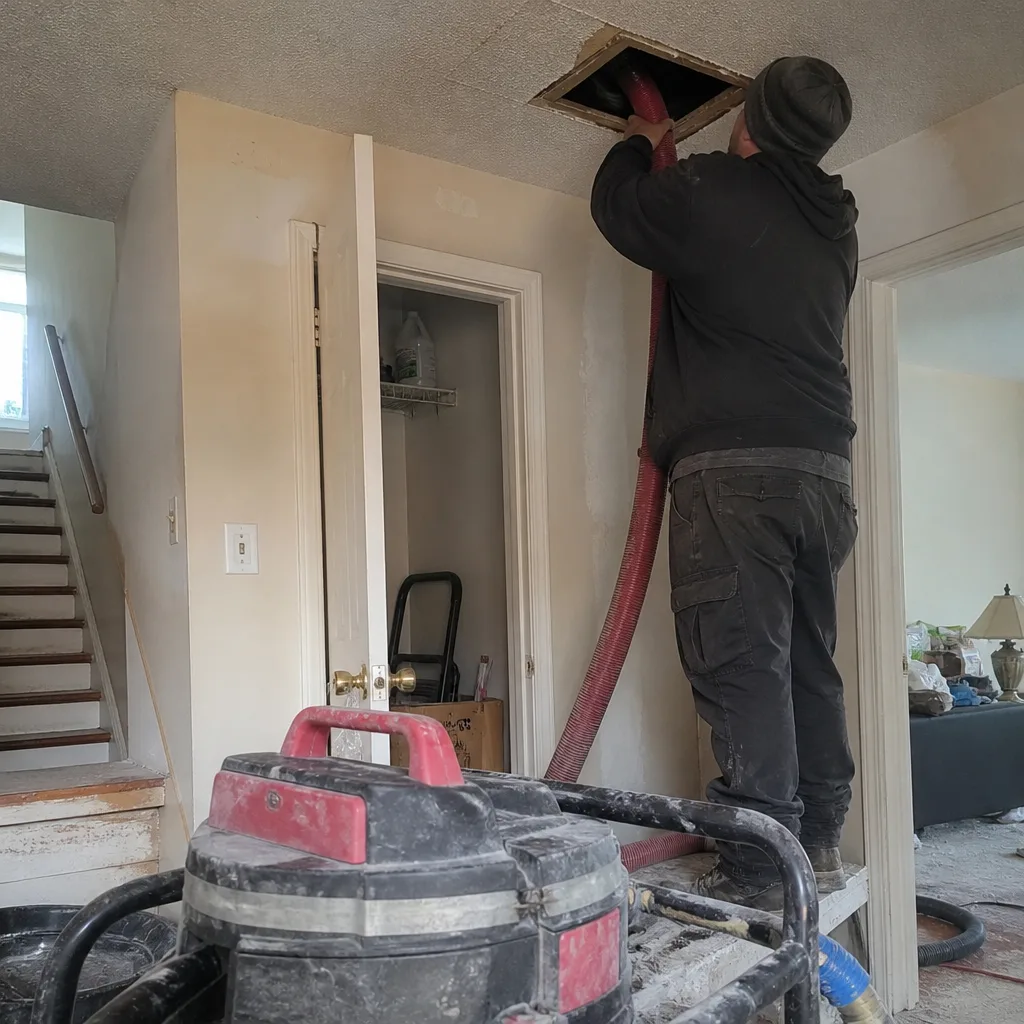 Before
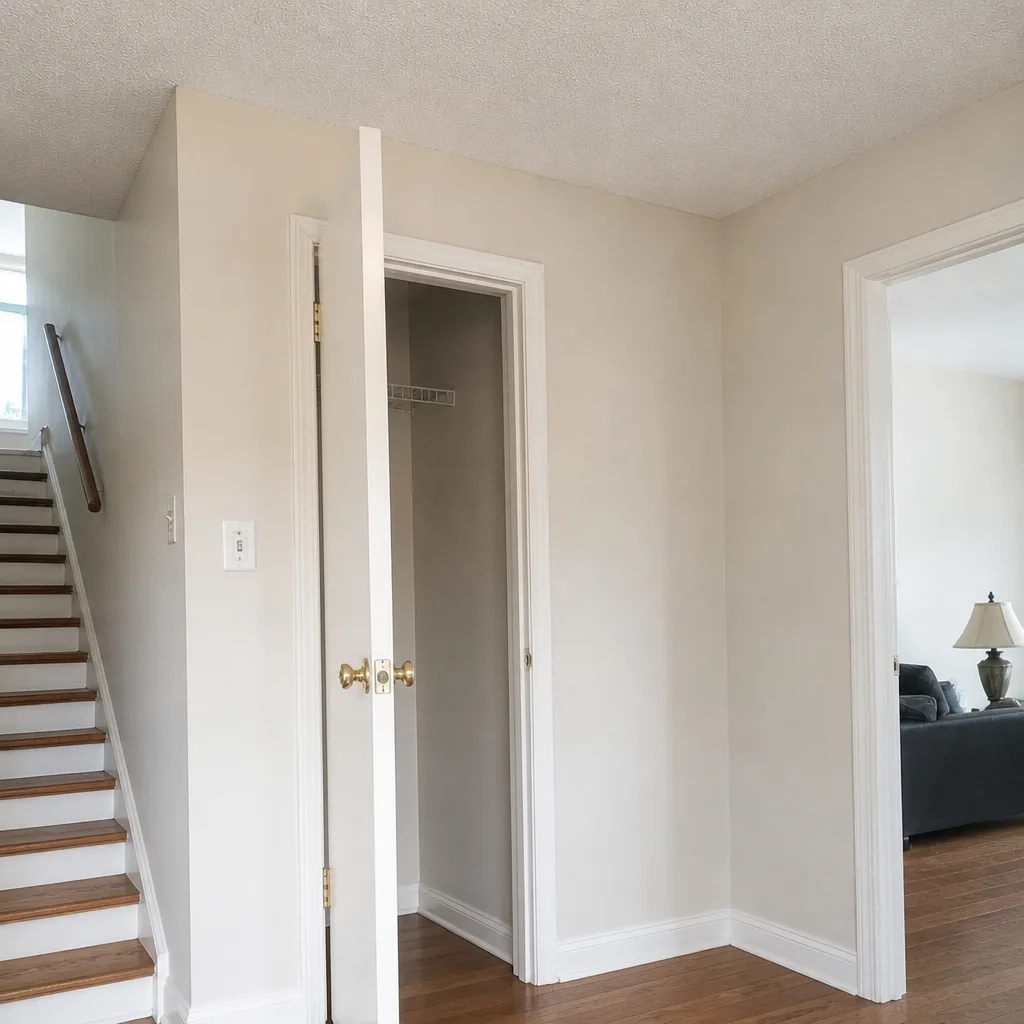 After
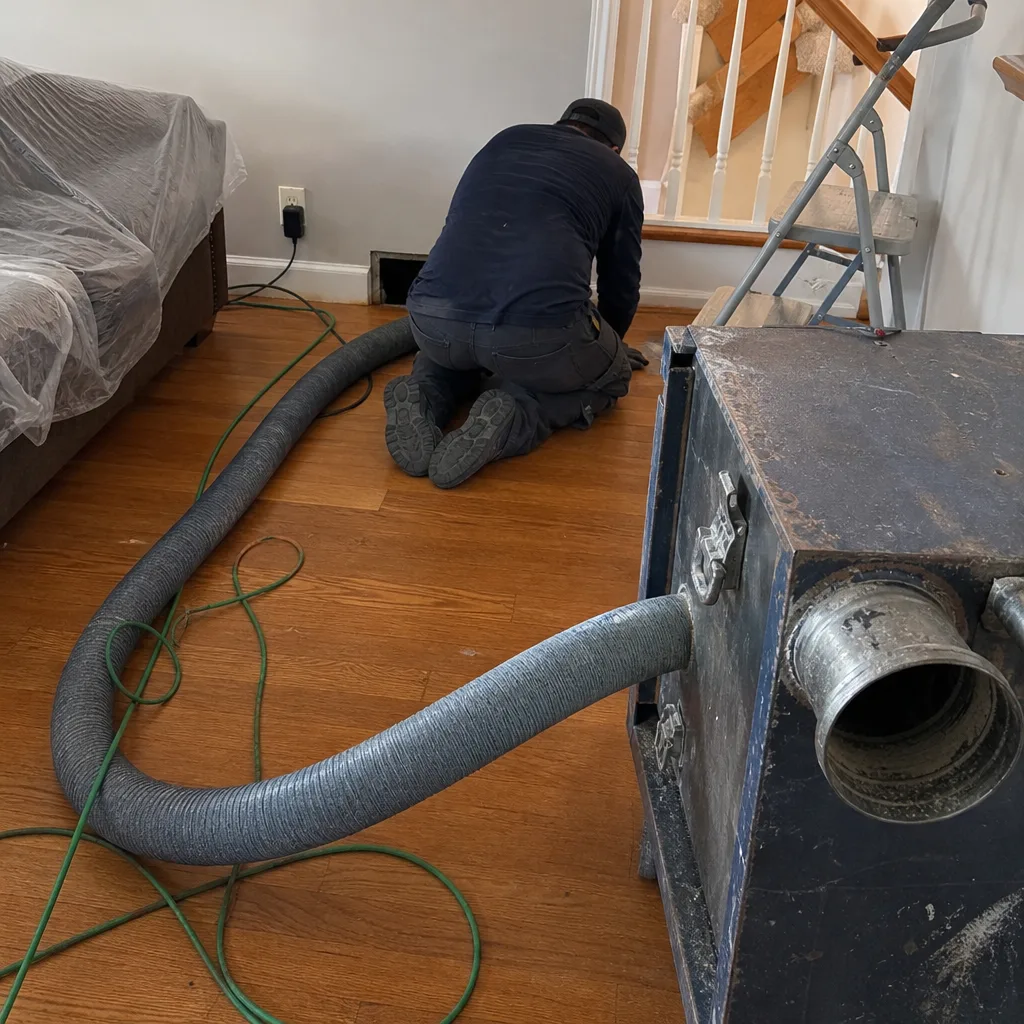 Before
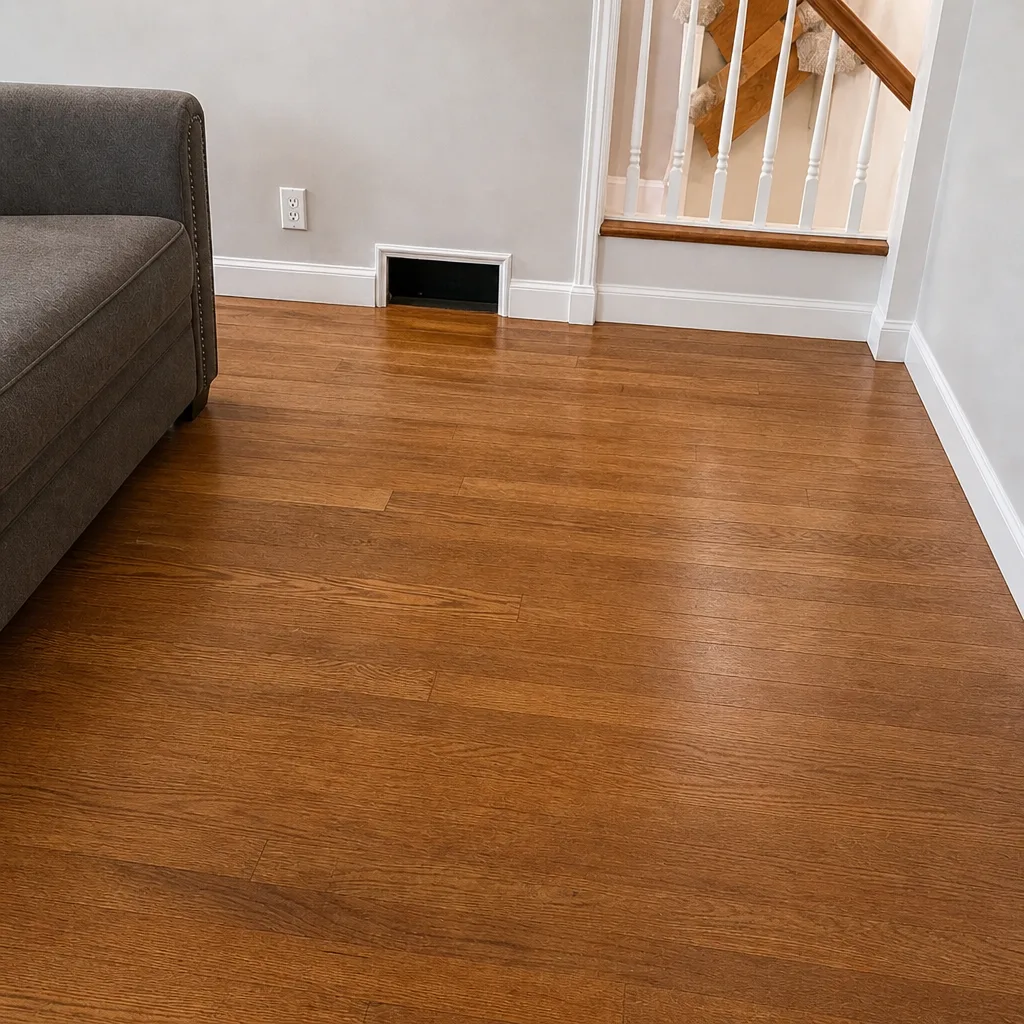 After
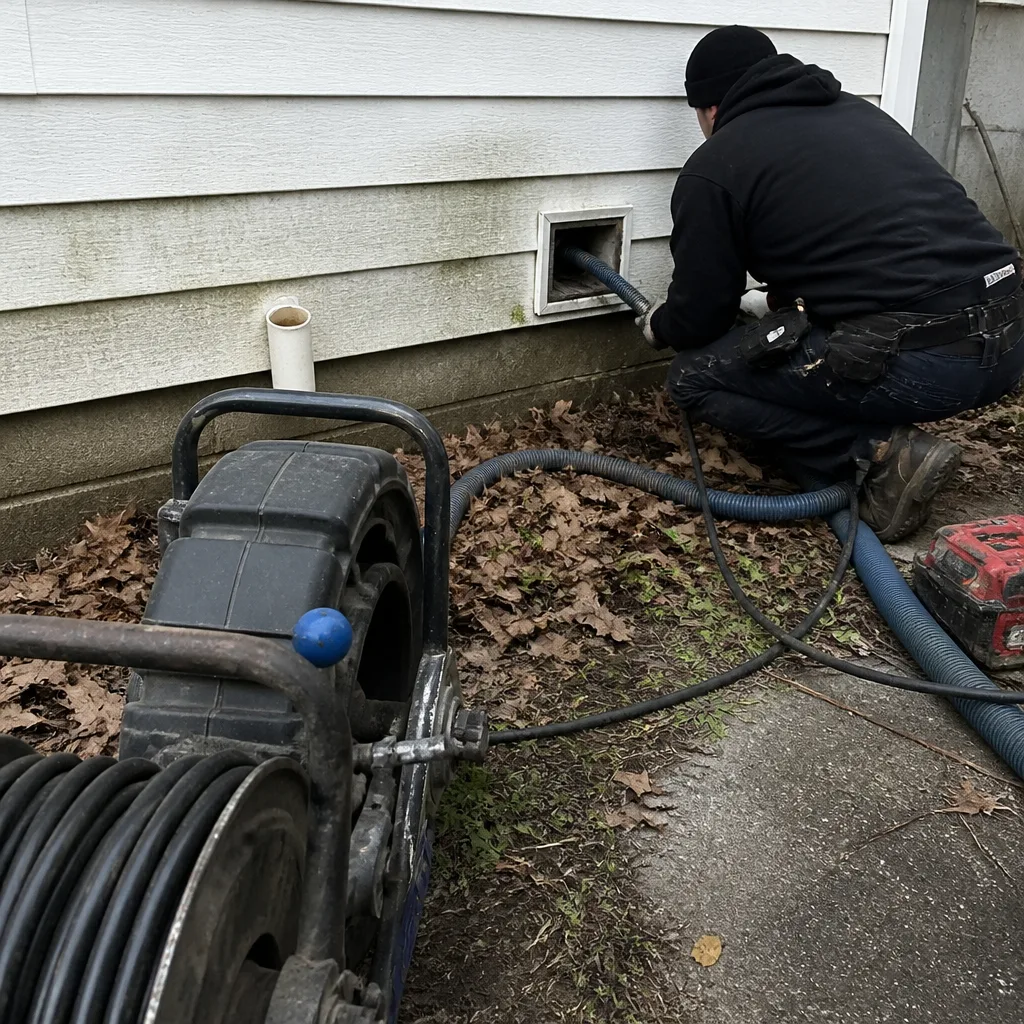 Before
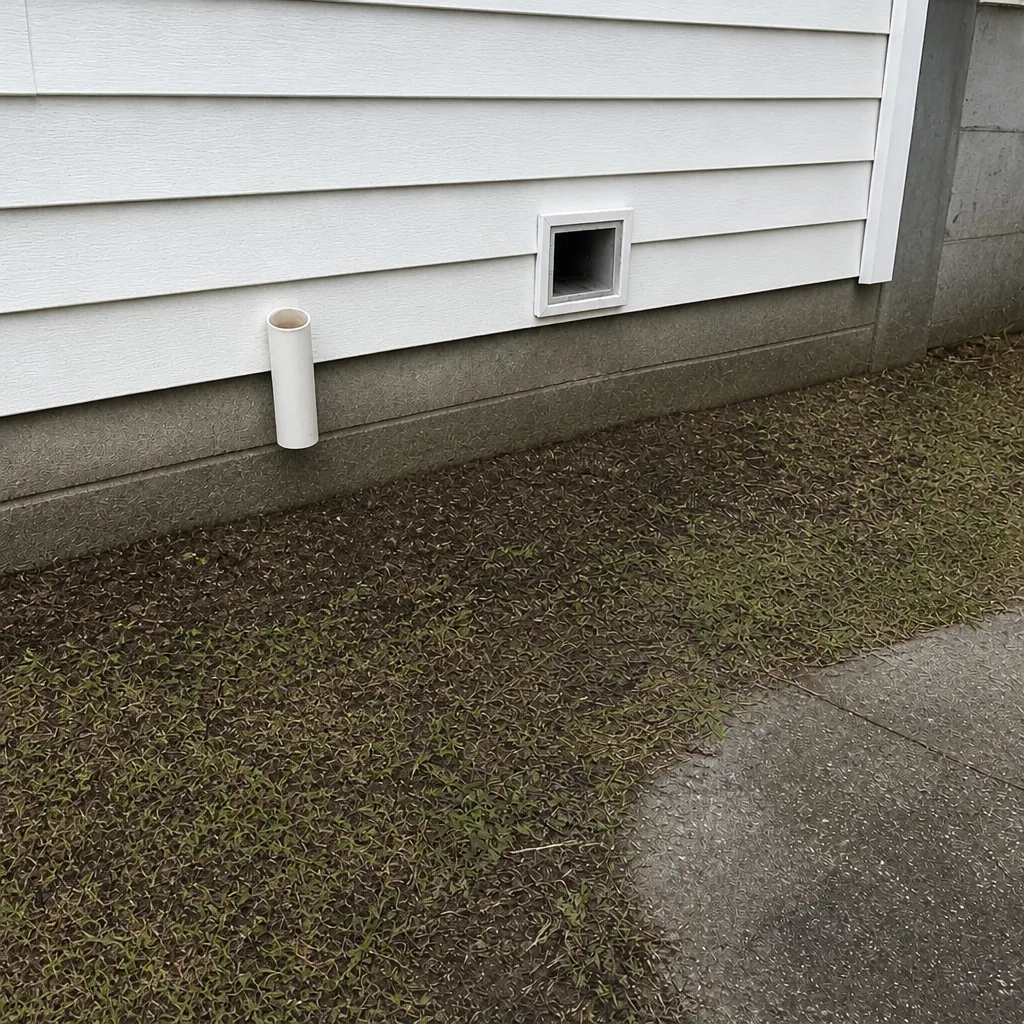 After
When to Call a Professional
Call a professional when you can see debris at the registers, when the system emits a musty odor on startup, when a renovation or move-in has left construction dust in the ductwork, or when someone in the home has asthma or significant allergies. Call when the duct layout is long flex runs you can’t inspect, when a rental attempt has already disturbed the system, or when you’ve never had the ducts cleaned and don’t know their condition. And call for the dryer vent if the full run hasn’t been cleaned or you can’t confirm it has. Duct Cleaning Chesapeake offers free estimates in Chesapeake. Call (855) 695-8132. We answer 24/7. Fast dispatch from 7am to 7pm, Sunday through Friday.
Frequently Asked Questions
You can clean the registers and the visible boot behind them, but a shop vac can’t clean the duct runs themselves. Its suction is a fraction of what professional negative-air equipment generates, so loosened debris tends to recirculate into the living space instead of being captured. Use the shop vac on registers and filters, and leave the duct interiors to equipment built for it.
Most homes don’t need it on a fixed schedule. The honest answer is that cleaning is driven by conditions, not a calendar: a renovation, a move-in, visible debris, pet dander buildup, musty odors, or a household member with respiratory sensitivity. A home with well-maintained filters, clean registers and no contamination events can go years without it. If you’re unsure, a free estimate will tell you what’s actually in the system.
Cheap quotes are usually per-vent prices that climb once the technician is on site, or they reflect equipment that can’t create full-system negative pressure. A low headline number is a lead-generation tool. Ask for one flat price per system, agreed in writing before work starts, and ask whether the quote includes containment and before-and-after photos. Call (855) 695-8132 for an exact quote, and estimates are free.
Ask for before-and-after photos of your own ducts, taken during the job. That’s the simplest verification available, and any company doing real work can provide it. If a company won’t photograph the inside of your ducts, that tells you something about the job you’re getting.
Humidity makes dust in a duct system clump and adhere to the walls rather than stay loose, which makes it harder to remove and makes failed DIY attempts more likely to smear rather than lift. It doesn’t create a mandatory cleaning schedule, but it does mean a system with buildup is dealing with material that’s been baked on through many damp cooling seasons. That’s a job for agitation and real vacuum pressure.
You can inspect it, and you should. Pull the dryer out, disconnect the vent and look inside with a flashlight, and check that the exterior flap opens freely when the dryer runs. Cleaning the full run through a wall or roof needs brushes sized to the vent and a vacuum that captures what it loosens, and lint is a documented fire risk. If the full run hasn’t been cleaned or you can’t confirm it has, that’s the call to make.
The Bottom Line
The DIY question comes down to equipment, not effort. Surface maintenance on registers and filters is genuinely yours to do, and doing it well extends the life of the system. Cleaning the inside of the duct runs is a different job, because it requires full-system negative pressure and HEPA filtration that a shop vac and a rental unit can’t provide. In Chesapeake’s humid climate, where flex duct runs through attics and dust adheres to duct walls, that gap shows up faster than it does in drier places. Match the task to the tool. Do the maintenance, and call for the cleaning when the conditions call for it. Call Duct Cleaning Chesapeake at (855) 695-8132 for a free estimate. We answer 24/7. Fast dispatch from 7am to 7pm, Sunday through Friday.
Written by the team at Duct Cleaning Chesapeake.