
Last updated November 16, 2026
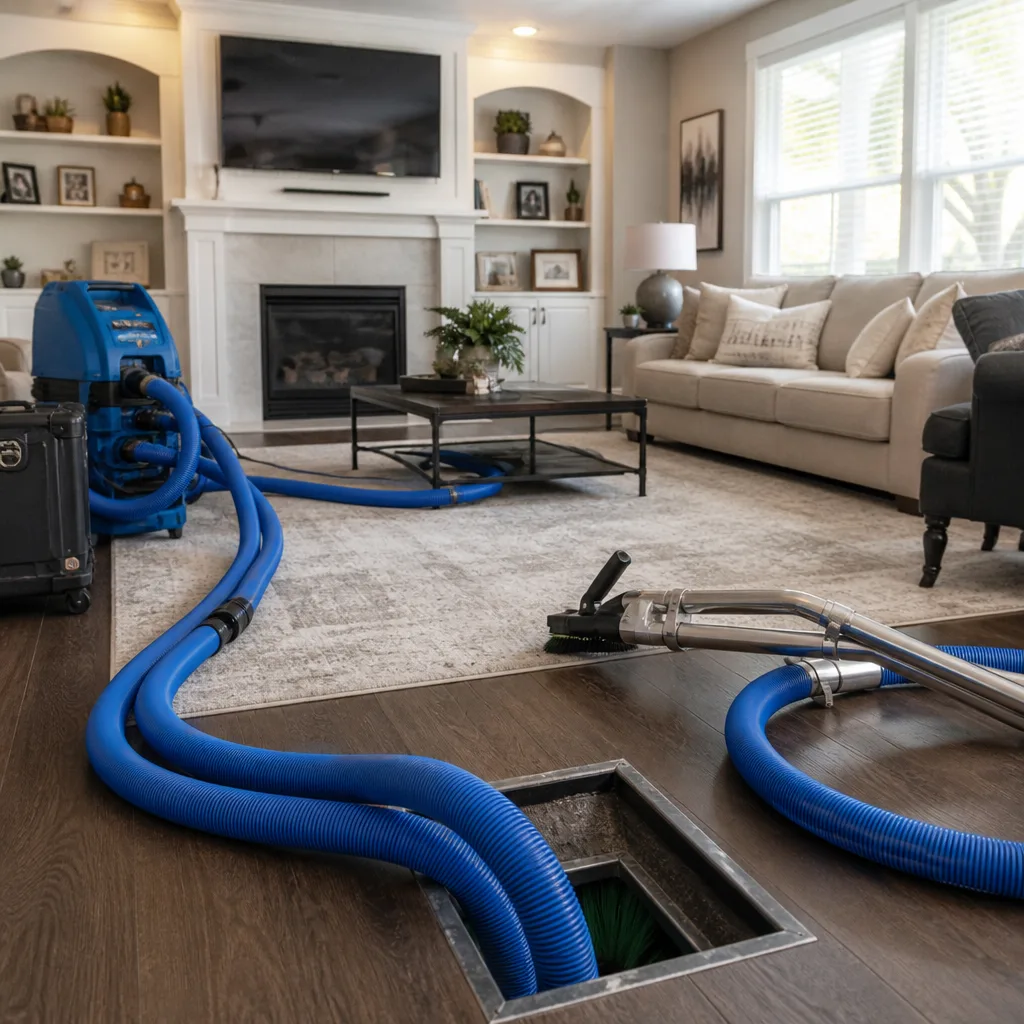 Whole-home duct cleaning
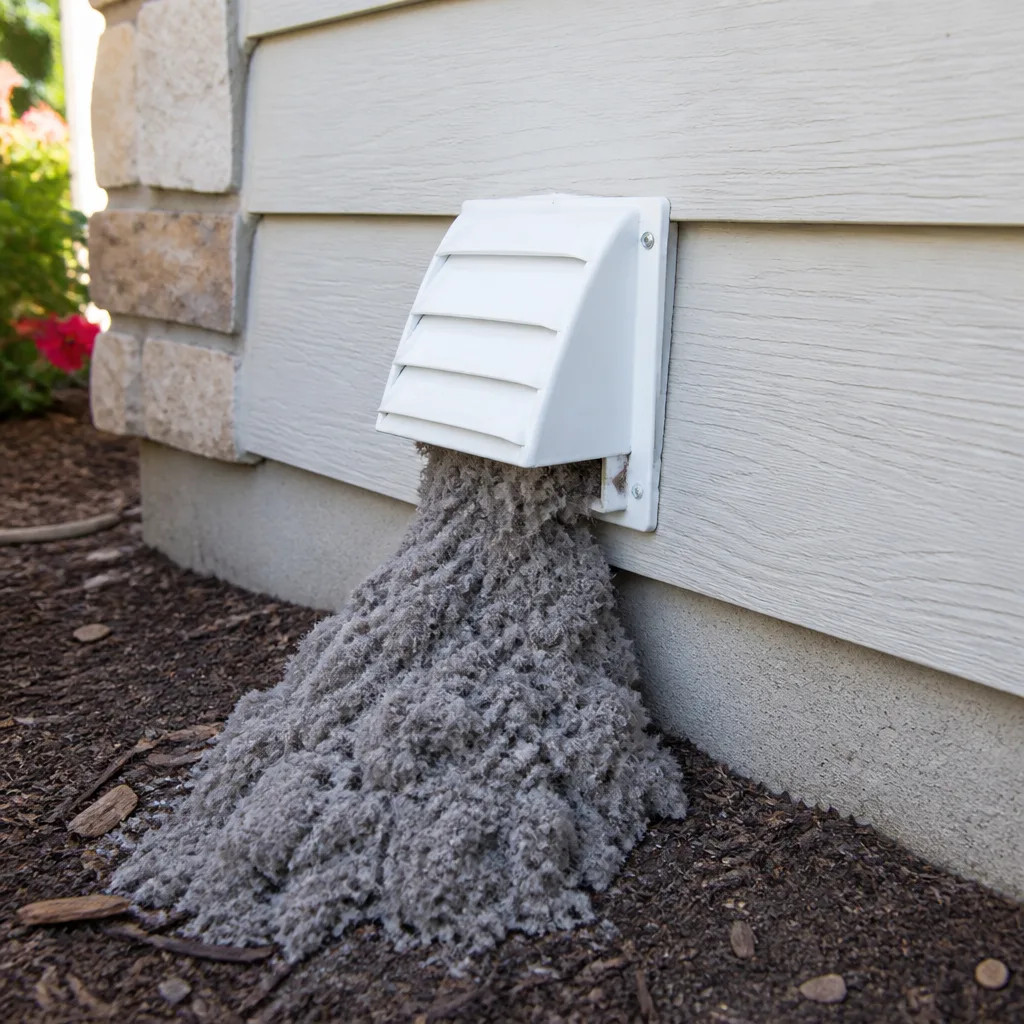 Dryer vent cleaning
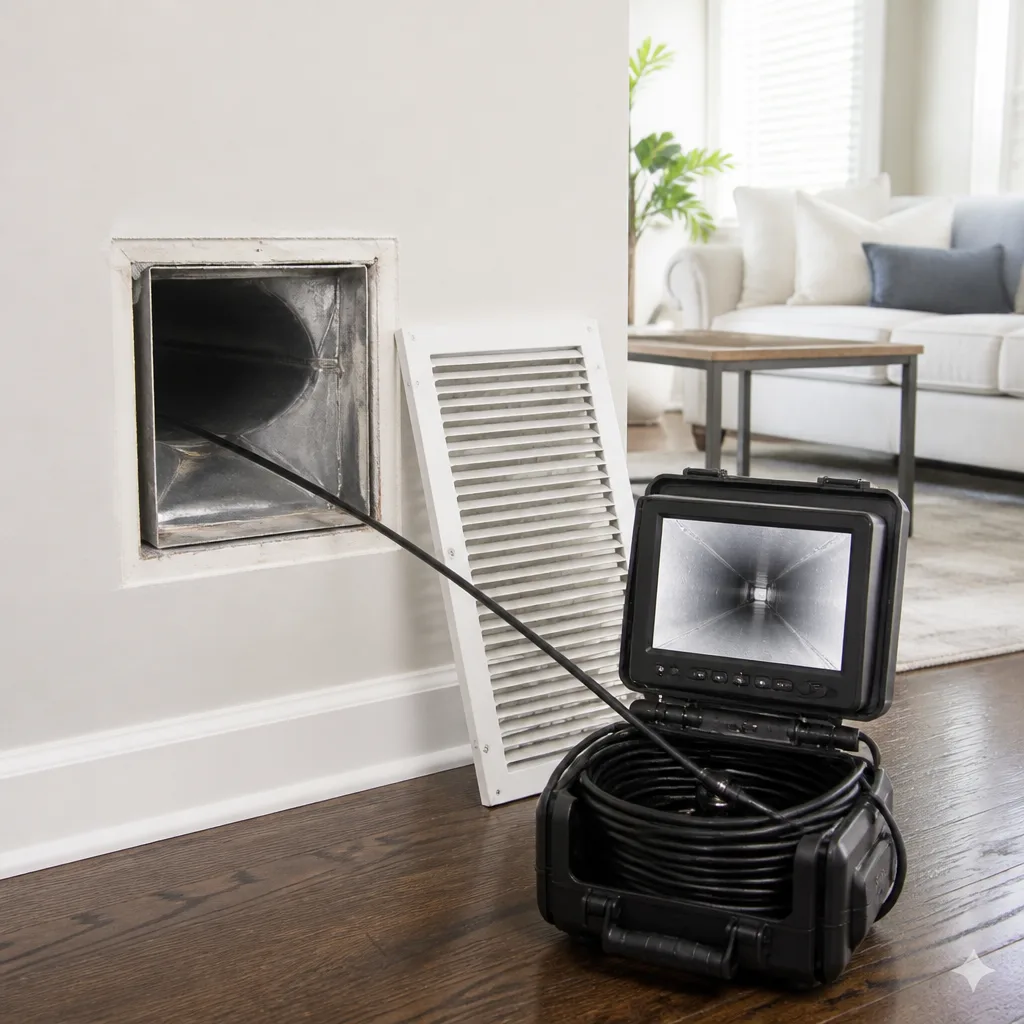 Camera inspection
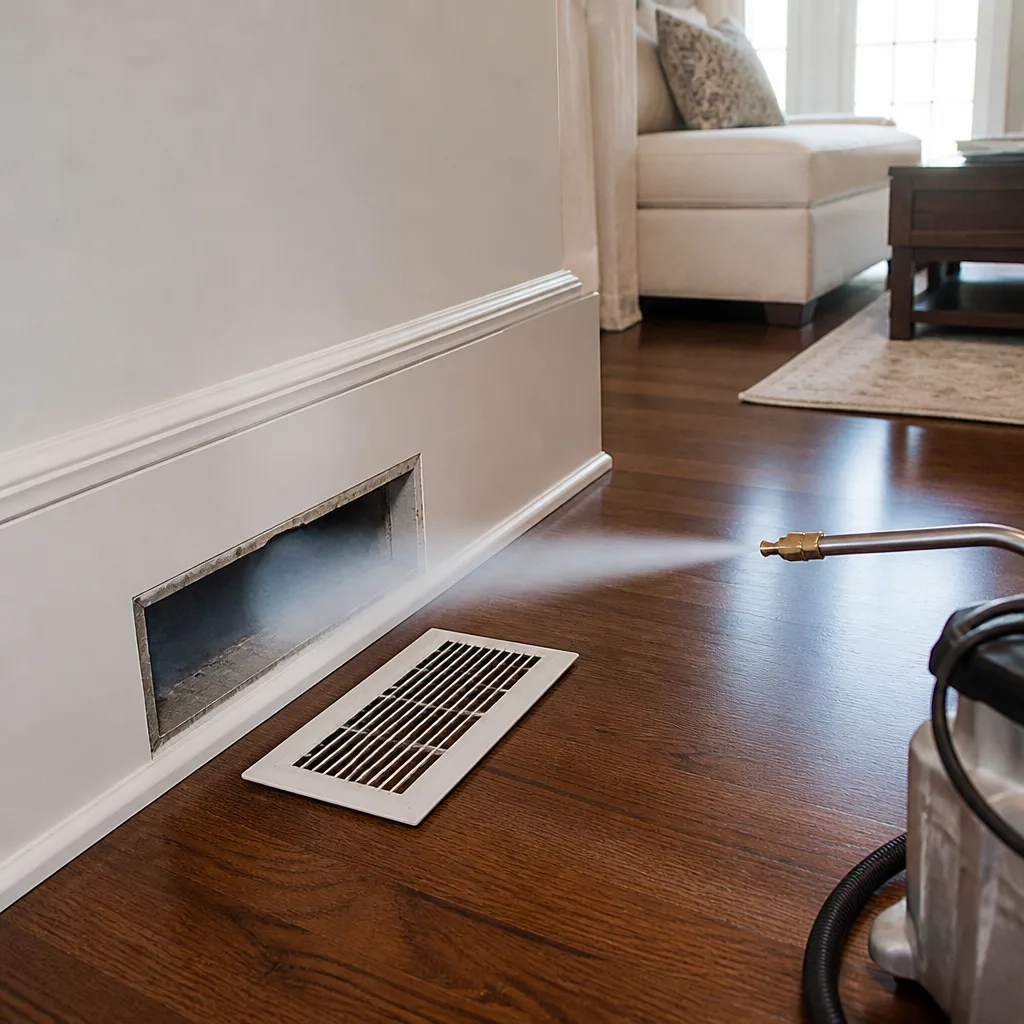 Sanitizing & deodorizing
Whole-system duct and dryer vent check with before-and-after photos - you see exactly what came out of your vents
That "$99 whole-house special" is a bait ad - the real number appears once they are in your hallway, or the "clean" is a shop-vac at the register. We photograph the inside of your ducts before and after instead.
The Complete Guide to Air Duct Cleaning in Chesapeake
A shop vac and a brush kit is not duct cleaning. It’s theater. Most homeowners in Chesapeake never get to see what happens inside their ductwork during a cleaning, which is exactly why a thorough job and a quick vacuum-and-handshake can look identical from the driveway. This guide pulls the curtain back on the entire process, from the first inspection to the final verification walkthrough, so you can hold any contractor accountable for the work you’re paying for. In these pages we’ll cover how true negative-pressure source removal works, which duct materials are common in Chesapeake homes and how each one should be handled, what equipment separates a dedicated indoor-air specialist from a general HVAC company, and a concrete post-job checklist you can use to confirm the work was actually done.
Quick Answer
Professional air duct cleaning in Chesapeake means removing accumulated dust, debris, and contaminants from your entire duct system using negative-pressure equipment, rotary agitation tools, and HEPA-level filtration, not just vacuuming the registers you can see. A proper job includes inspection, containment, agitation, collection, and post-cleaning verification, and it typically takes two to five hours depending on system size and condition. The goal is source removal: getting debris out of the system entirely, not just knocking it loose to settle somewhere else.
Styles & brands we work with
- Whole-home duct cleaning
- Dryer vent cleaning
- Camera inspection
- Sanitizing & deodorizing
Table of Contents
- What Air Duct Cleaning Actually Means
- Contact Vacuuming vs. Negative-Pressure Source Removal
- The Five Phases of a Professional Job
- How Duct Material Changes the Cleaning Approach
- What Equipment Separates a Specialist From a Generalist
- Why Duct Cleaning Matters in Chesapeake Homes
- Your Post-Job Verification Checklist
- What Air Duct Cleaning Costs in Chesapeake
What Air Duct Cleaning Actually Means
Air duct cleaning is the process of removing dust, debris, and biological growth from the supply and return ductwork of a forced-air heating and cooling system. That definition sounds simple, but the word “removing” is doing a lot of work. Many contractors interpret it as “loosening” or “vacuuming near the registers.” A legitimate cleaning removes contaminants entirely from the system and disposes of them.
When we talk about a full-system cleaning, we mean every component that air passes through: supply trunks, return trunks, branch runs, registers, grilles, diffusers, plenum connections, and the air handler cabinet interior. Some jobs also include the blower compartment and evaporator coil area, depending on how accessible they are and how much buildup has accumulated.
The position of the EPA is instructive here. Its guidance draws a clear line between surface agitation (disturbing dust) and source removal (extracting it under negative pressure). That distinction matters far more than most homeowners realize, because a job that agitates without adequate collection can actually make indoor air quality worse for a period of time after the technician leaves.
At its core, a real duct cleaning job answers a simple question: did the debris leave your house, or did it just move? For families in Chesapeake dealing with allergies, asthma, or the aftermath of a renovation, that question is the whole ballgame. Our air duct cleaning approach is built around answering it correctly.
Contact Vacuuming vs. Negative-Pressure Source Removal
These are the two most common cleaning methods in the residential market, and understanding the difference is the single most useful thing you can learn from this guide. Contact vacuuming uses a vacuum head that makes physical contact with the duct surface, typically through a register opening or a cut access port. It removes what the head can reach. It’s better than nothing, but it’s fundamentally limited to line-of-sight surfaces.
Negative-pressure source removal works differently. The technician connects a high-powered vacuum or negative-air machine to the duct system, creating a continuous draw of air through the entire network. While that negative pressure is maintained, rotary brushes, air whips, and compressed-air tools agitate debris from every surface inside the ducts. Because the system is under suction, dislodged material is pulled toward the collection point rather than released into your home.
Why does this matter so much in Chesapeake? Two reasons stand out:
- Humidity. The region’s long, muggy summers give dust and organic material in ductwork the moisture it needs to clump, adhere to surfaces, and support microbial growth. Contact vacuuming often slides over adhered buildup; negative pressure combined with rotary agitation breaks it loose.
- Particulate load. Chesapeake’s mix of older housing stock, active construction, and heavy seasonal pollen means duct systems here often carry a substantial debris load. A method that doesn’t extract under pressure tends to redistribute more of it than it eliminates.
This is also why containment matters. Negative-air machines from brands like Nikro and air-filtration systems from Abatement Technologies are used to keep particulates from escaping into living spaces during the cleaning itself. That’s remediation-level practice, and it’s one of the clearest signals that a contractor treats duct cleaning as a contamination-control job rather than a quick maintenance stop.
The Five Phases of a Professional Job
A thorough duct cleaning follows a sequence. Skip a phase and the quality of the outcome drops, sometimes dramatically. Here’s how a proper job walks through it.
- Inspection. Before any equipment runs, the technician inspects the system: duct layout, material types, access points, signs of moisture, pest activity, disconnected runs, and the condition of the air handler. This phase determines the cleaning plan and surfaces any repair needs before cleaning starts. In Chesapeake’s older neighborhoods, this step frequently turns up flex duct that has sagged, torn, or separated at joints.
- Containment and setup. The technician seals registers and creates negative pressure inside the system using a collection unit and filtration. Air-filtration equipment keeps the workspace and the home’s living space protected while debris is dislodged.
- Agitation. Rotary-brush systems such as Rotobrush and compressed-air tools work through the duct runs, breaking debris free from walls, joints, and turning vanes. This is the physical cleaning phase and it requires access ports, which the technician cuts and later reseals.
- Collection. Throughout agitation, the negative-air machine draws loosened material out of the system and into a collection unit or HEPA-filtered vacuum. Containment and collection are what distinguish source removal from dust redistribution.
- Post-cleaning verification. The technician re-inspects the ducts, often with a camera, checks that all access points are properly sealed, confirms the system is running with normal airflow, and walks the homeowner through before-and-after evidence. This is where a contractor should be able to show you the results, not just tell you about them.
When these phases are followed in order, the outcome is a genuinely cleaner system. When any of them are skipped, particularly containment and collection, the job tends to look finished without actually being finished.
How Duct Material Changes the Cleaning Approach
Not all ductwork is cleaned the same way, and a technician who uses a single method on every home is likely cutting corners somewhere. Chesapeake homes commonly have a mix of these three materials, sometimes all in the same house:
Flexible Duct
Flex duct is the corrugated, foil- or wire-reinforced tubing used in many attic and crawlspace runs. It’s common in Chesapeake because it’s fast to install and forgiving of the region’s uneven framing. Its interior ridges trap debris, and the liner tears easily if agitated too aggressively. Cleaning requires gentler rotary tools and careful pressure control. Severely damaged or collapsed flex duct usually needs replacement rather than cleaning, which is where air duct repair comes in.
Sheet Metal Duct
Galvanized sheet metal is the most durable duct material and the easiest to clean thoroughly. Rotary brushes work well here, and negative pressure holds effectively. Older homes in established Chesapeake neighborhoods often have sheet metal trunks with flex branch runs attached, which means the cleaning plan has to account for both.
Fiberboard Duct
Fiberboard (sometimes called duct board) is a rigid insulated product used in some trunk runs and plenum construction. It has a porous interior surface, which means it can absorb moisture and hold onto debris more stubbornly than metal. Aggressive brushing can damage the facing, so cleaning calls for controlled agitation and often a sealing step afterward to restore the interior surface. Homes that have had moisture issues in crawlspaces or attics are the ones where fiberboard condition matters most.
Matching the method to the material is one of the practical reasons a dedicated air system specialist outperforms a generalist. The right tool for sheet metal is not the right tool for flex duct, and knowing the difference protects both the ductwork and the homeowner’s investment.
What Equipment Separates a Specialist From a Generalist
Equipment is the most visible difference between a dedicated indoor-air contractor and an HVAC company that offers cleaning on the side. You can often identify the difference just by looking at what’s being carried in.
- Rotary agitation systems. Branded rotary-brush systems like Rotobrush are built specifically for duct interiors. They drive brushes through the duct run under controlled speed and contact, cleaning walls and joints rather than just vacuuming surfaces.
- Negative-air machines. High-capacity units from manufacturers like Nikro generate meaningful suction across the whole system, not just at the point of contact. This is the equipment that makes source removal possible.
- HEPA-grade air filtration. Air-filtration systems from Abatement Technologies are used in remediation and restoration work to capture fine particulates. On a residential duct cleaning, that level of filtration is what keeps dislodged debris out of your living room.
- Inspection cameras. A camera lets the technician actually see inside the ducts before and after cleaning. It also provides visual proof of results for the homeowner.
- IAQ system expertise. Familiarity with Honeywell and Aprilaire indoor-air-quality components means the technician can work with your home’s air system as a system, not as a series of disconnected parts.
A truck-mounted vacuum alone is not sufficient for thorough duct cleaning. It’s a tool, but it’s one tool. A specialist arrives with a coordinated set: agitation, containment, collection, and verification. That combination is what allows a contractor to promise a specific outcome rather than just a service visit.
Why Duct Cleaning Matters in Chesapeake Homes
Chesapeake’s climate and housing stock create a specific set of conditions that make duct cleaning more consequential than it might be in a drier part of the country. The summers are humid and long, which means condensation and moisture accumulation are recurring concerns inside HVAC systems. Moisture in ductwork is what turns ordinary dust into a substrate for growth, and once that happens, a simple vacuuming won’t resolve it.
The region’s housing mix adds another layer. Established neighborhoods throughout Chesapeake include homes with decades of accumulated dust, often with original or partially updated duct systems. Newer construction brings its own challenges, especially after move-in cleaning when construction dust has settled into the system before the first occupants take up residence.
Renovations are a third trigger. Any project that opens walls, refinishes floors, or replaces insulation generates fine particulate matter that can migrate into the duct system and stay there. In a humid climate, that material doesn’t just sit inertly. It collects.
For families managing allergies or asthma, the practical stakes are higher still. Duct systems are often the largest reservoir of settled particulate in a home, and every time the HVAC runs, air passes through that reservoir. Removing the accumulated material is one of the few indoor-air interventions that addresses the source directly. If you want a deeper look at how we approach this in the region, our Chesapeake page covers the specifics of the area and the homes we work in.
None of this means every home needs cleaning every year. It means the decision should be driven by what’s actually in the system, not by a marketing reminder. An inspection answers that question honestly, and it’s the first step in any job worth paying for.
Your Post-Job Verification Checklist
You don’t need to climb into the attic to verify the work. You need to know what to look at, what to ask, and what the answers should be. This checklist is the practical takeaway from everything above.
- Ask for before-and-after evidence. A contractor using a camera should be able to show you images from inside the ducts, before and after. If they can’t produce visual proof, ask why not.
- Confirm access points are sealed. A proper job cuts access ports to clean the duct runs. Those ports should be sealed with proper materials, not tape or a loose patch. Walk the duct runs or ask the technician to show you the sealed ports.
- Verify the system is running normally. Airflow from registers should be consistent with pre-cleaning performance. Any change in pressure or airflow is a red flag that something was left disconnected.
- Check that registers and grilles were reinstalled clean. They should be visibly free of loose debris and properly secured.
- Ask how the debris was collected. The answer should mention containment, negative pressure, and a collection unit or HEPA filtration. If it doesn’t, ask what equipment was used.
- Note any repair recommendations in writing. If the inspection turned up disconnected runs, damaged flex, or blocked sections, those should be documented so you can decide on repair separately.
- Run the system and watch for a spike in dust or odor. A small amount of settling dust right after cleaning is normal. A significant plume from the registers or a lingering odor is not, and it should prompt a call back.
Anyone doing thorough work should welcome these questions. A contractor who can’t answer them is telling you something about the job they performed.
What Air Duct Cleaning Costs in Chesapeake
Air duct cleaning pricing varies with system size, duct material, accessibility, and overall condition, and it should be quoted per system rather than per vent. Per-vent pricing tends to incentivize speed over thoroughness, because the contractor earns more by finishing faster. A single flat price for the whole system, agreed before work begins, is the structure that aligns the contractor’s interest with a complete job.
Beware of quotes that seem dramatically lower than the rest of the market. In practice, very low prices often correspond to a shorter visit, minimal equipment, and an upsell at the door. Ask what equipment will be used, how debris will be contained and collected, whether a camera will be used for verification, and what happens if the technician finds a disconnected or damaged duct run. The answers to those four questions will tell you far more than the price alone.
For a written estimate on your specific home, call (855) 695-8132. Estimates are free, and the price you agree to in writing is the price you pay. That’s the standard we hold ourselves to on every job in Chesapeake, and it’s the standard you should expect from anyone you hire.
Common Mistakes to Avoid
- Hiring on price alone. The cheapest quote usually reflects the shortest visit and the least equipment. Ask what’s included and which methods will be used before comparing numbers.
- Accepting a quote without an inspection. A contractor who prices your job without looking at your ducts is guessing. Chesapeake homes vary widely in duct layout and material, so a phone quote is not a real estimate.
- Assuming a truck-mounted vacuum equals a cleaning. A vacuum is one component of the process. Without agitation, containment, and collection working together, the system won’t be cleaned thoroughly.
- Skipping the dryer vent. Dryer vents are a fire hazard when lint accumulates, and they’re a separate system from your HVAC ducts. Cleaning one and not the other leaves a real safety gap. Our dryer vent cleaning is handled as a standalone safety service for exactly that reason.
- Ignoring damage discovered during the cleaning. Disconnected runs, torn flex duct, and crushed sections are common in older Chesapeake homes. If they’re found, they need to be repaired before the system performs correctly.
- Not asking for before-and-after photos. Visual proof is the simplest way to confirm a contractor actually did the work. If a contractor can’t provide it, that’s a meaningful gap.
- Cleaning on a fixed schedule regardless of condition. Duct cleaning should be based on what’s actually in the system, not a calendar. An inspection-driven approach is more honest and more useful.
See the difference
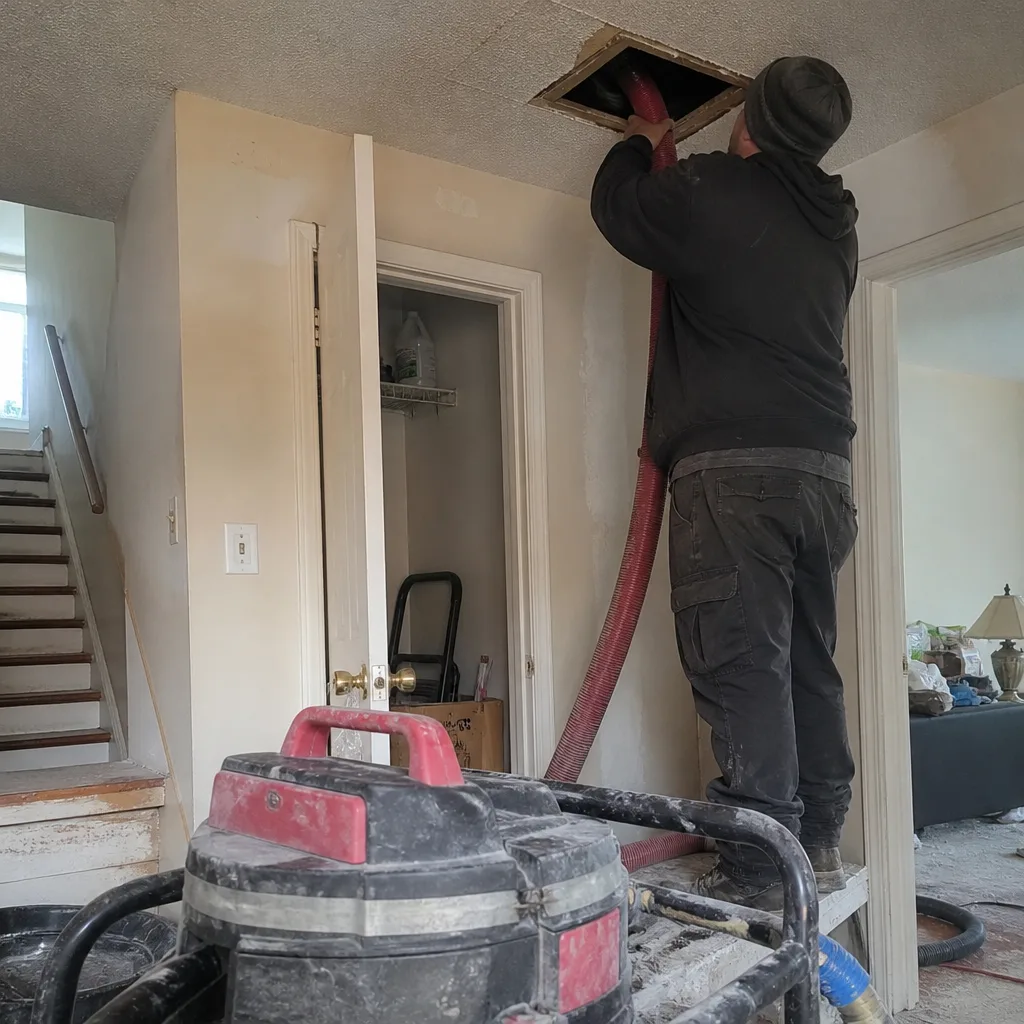 Before
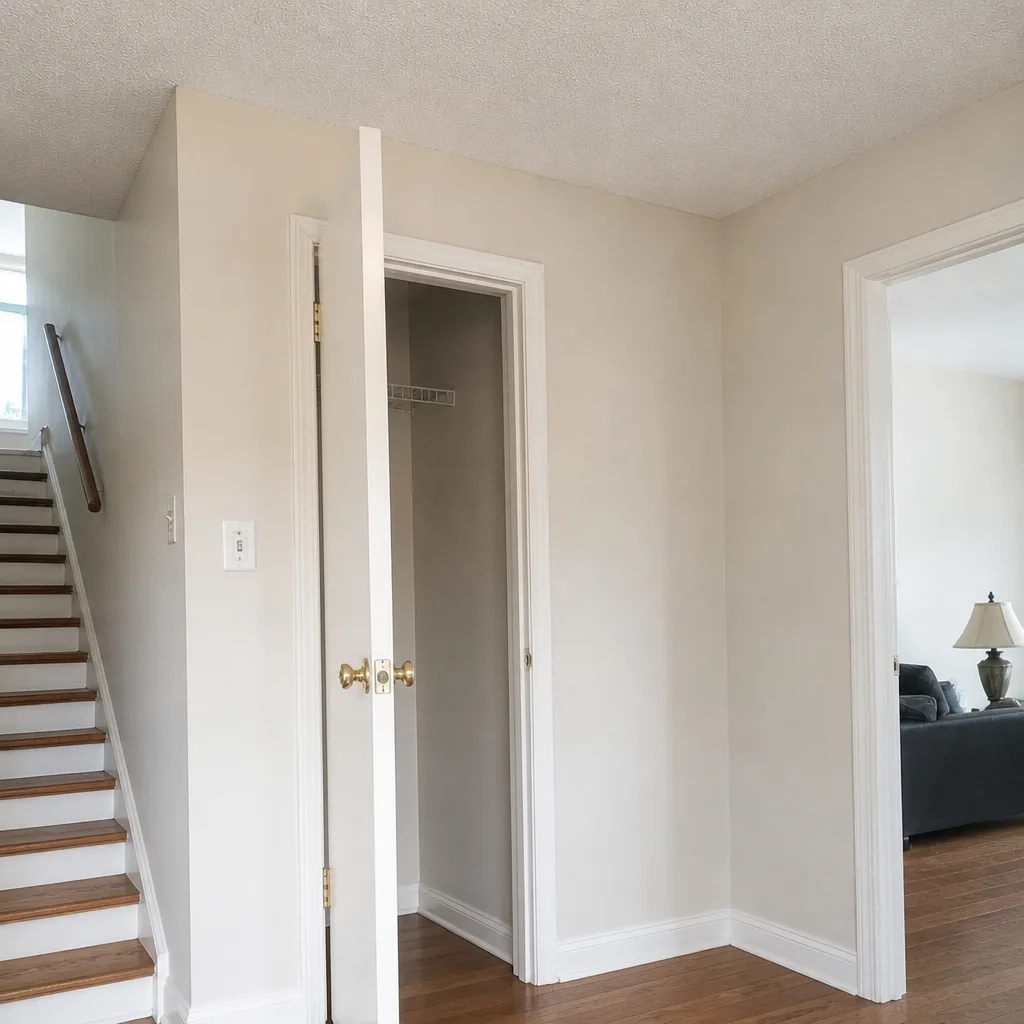 After
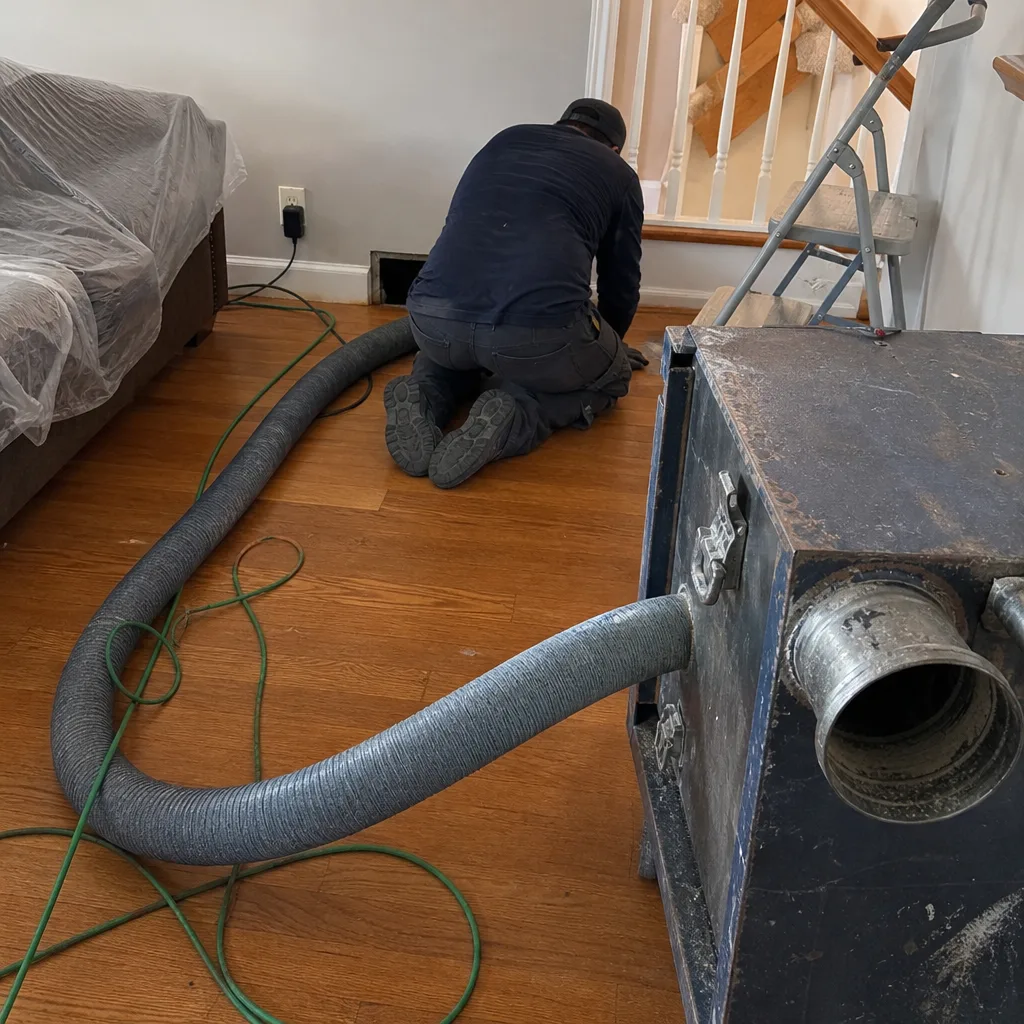 Before
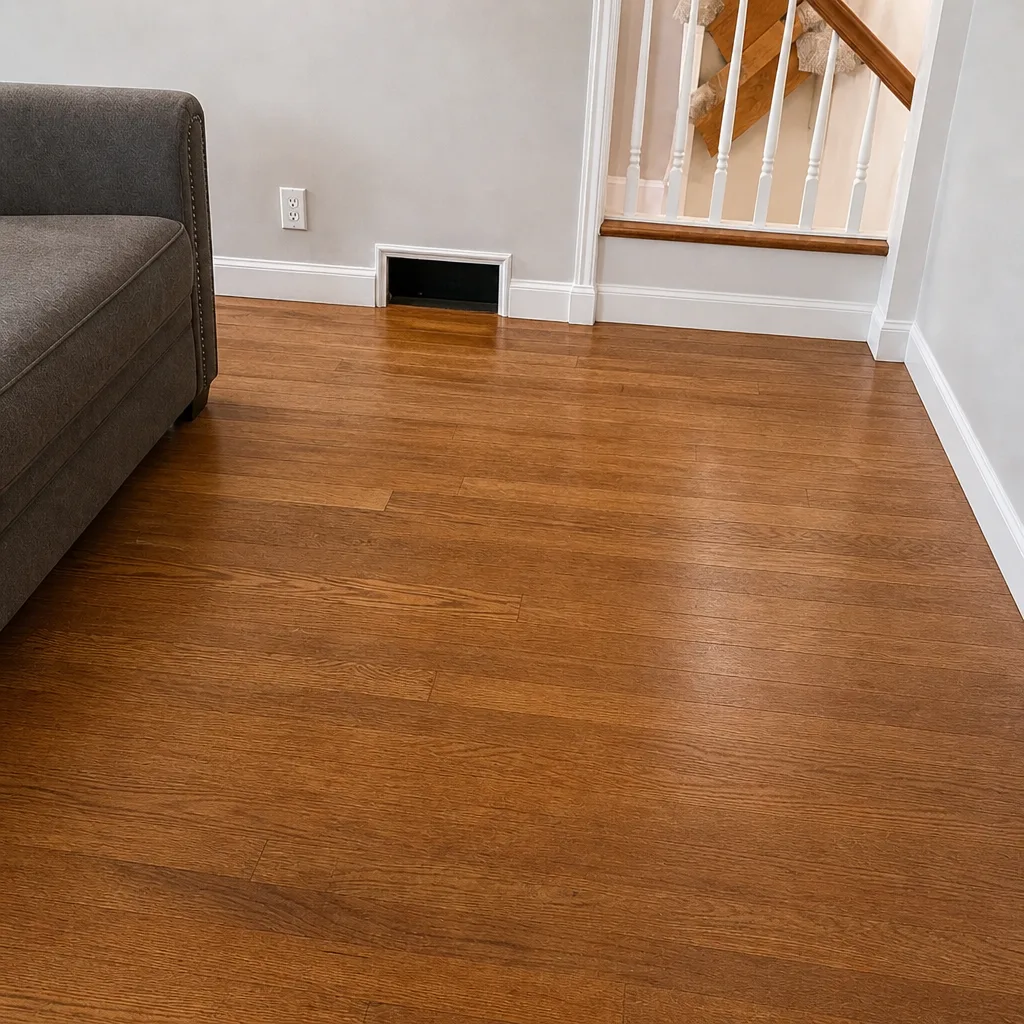 After
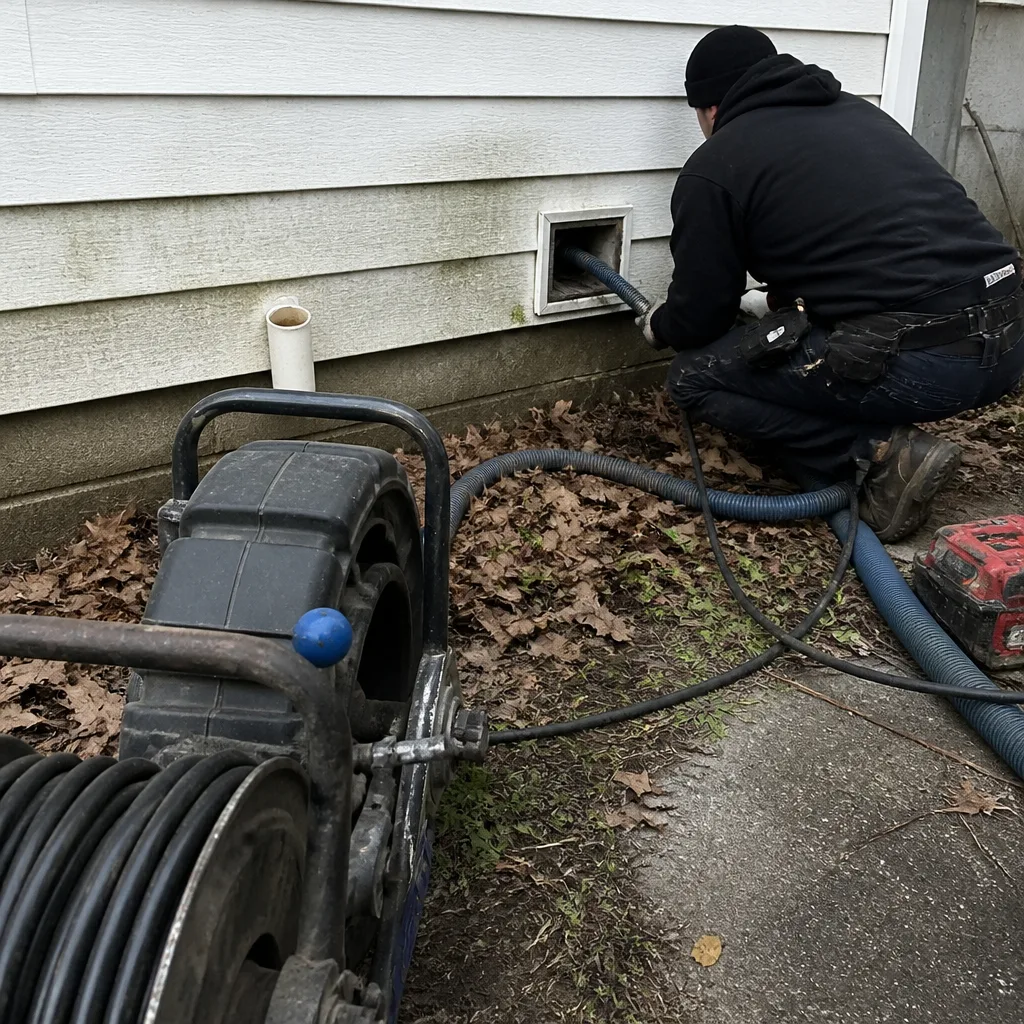 Before
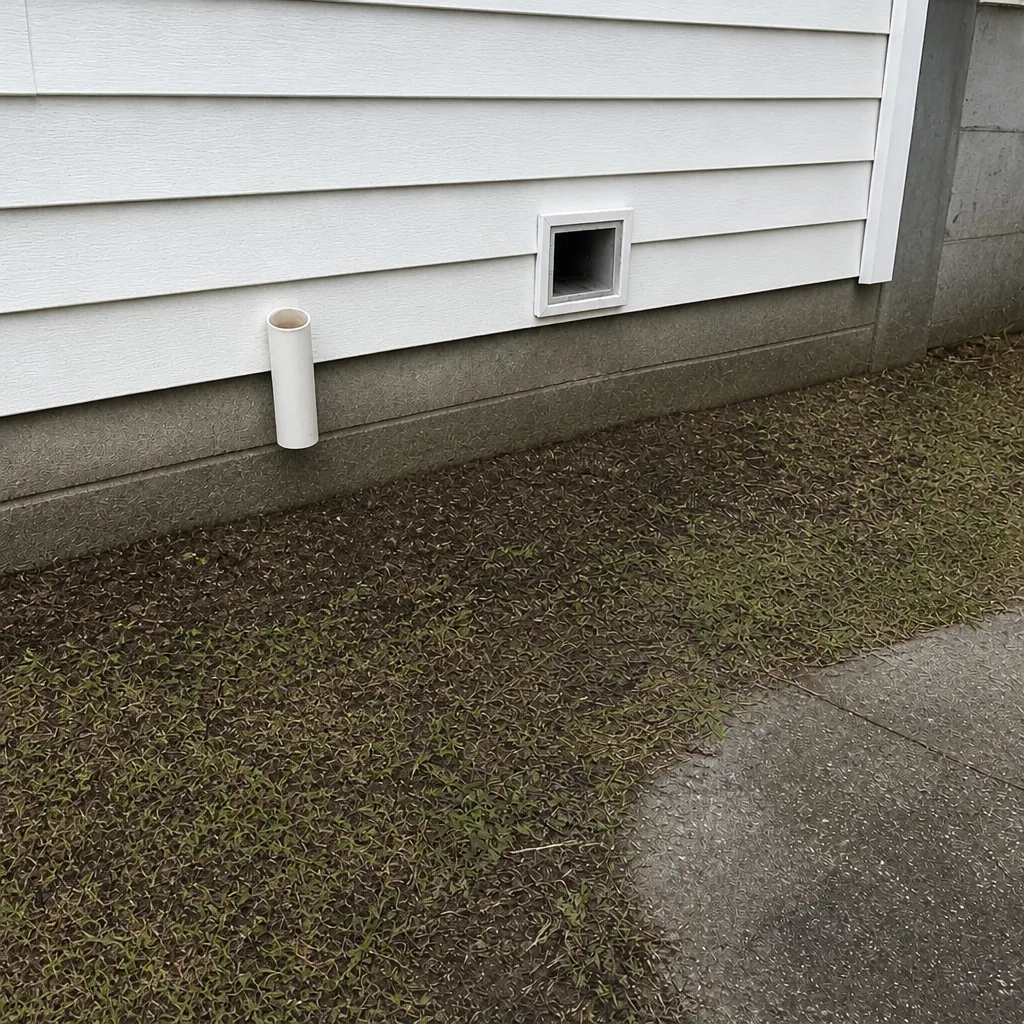 After
When to Call a Professional
Some conditions clearly warrant professional attention. If you’ve recently purchased a home and don’t know its duct cleaning history, an inspection is worth it. If you’ve completed a renovation that generated fine dust or opened walls, the duct system likely collected some of it. If anyone in the household is managing allergies or asthma, source removal can meaningfully reduce the particulate load in the air. If your dryer is taking longer than usual to dry clothes or the vent has visible lint buildup, that’s a safety issue worth addressing immediately. And if you’ve noticed disconnected ducts, unusual smells, or visible dust plumes from registers, those are signs the system needs evaluation. For all of these, an inspection and written estimate are the right first steps. Duct Cleaning Chesapeake offers free estimates in Chesapeake – call (855) 695-8132. We answer 24/7, with fast dispatch from 7am to 7pm, Sunday through Friday.
Frequently Asked Questions
Pricing depends on system size, duct material, accessibility, and condition, and it should be quoted as a flat price per system rather than per vent. The written estimate is what determines the final price, and you agree to it before work starts. Call (855) 695-8132 for a free estimate on your home.
A typical job runs two to five hours, depending on the size of the system, how accessible the duct runs are, and how much buildup has accumulated. Homes with multiple systems or extensive duct routing take longer. The inspection at the start of the visit is what sets the timeline.
There’s no universal schedule. The decision should follow what an inspection actually finds in your system, not a fixed calendar. Homes with pets, recent renovations, allergy concerns, or unknown cleaning history often benefit sooner; homes with clean, well-maintained systems may not need it for years. Call (855) 695-8132 for an evaluation.
The difference is usually in the method and the equipment, not the price alone. A quote that includes negative-pressure source removal, rotary agitation, containment, and camera verification reflects a different job than a quick surface vacuum. Ask what equipment will be used and how debris will be collected before comparing figures.
Before-and-after photos from inside the ducts are the clearest proof, along with confirmation that access ports were properly sealed and the system is running normally. A contractor should be able to provide both. Call (855) 695-8132 if you’d like to see what a thorough job looks like in practice.
Yes. Dryer vent cleaning is offered as a standalone safety service, separate from air duct cleaning, because lint buildup in the vent is a recognized fire hazard. It’s worth scheduling independently of HVAC duct work. Call (855) 695-8132 for a free estimate.
The Bottom Line
Duct cleaning isn’t a mysterious service. It’s a sequence: inspect, contain, agitate, collect, verify. When a contractor follows that sequence with proper equipment – rotary agitation, negative-air machinery, and real filtration – the work is verifiable and the results are visible. When the sequence is skipped, the job often looks fine on the surface and leaves the system unchanged underneath. The checklist and questions in this guide give you a way to tell the difference before, during, and after the visit. If you’re in Chesapeake and want an honest evaluation of your system, we’re glad to take a look. Call Duct Cleaning Chesapeake at (855) 695-8132 for a free estimate. We answer 24/7, with fast dispatch from 7am to 7pm, Sunday through Friday.
Written by the team at Duct Cleaning Chesapeake.